10 Basic Steps to High Altitude Gardening
High altitude gardens sit in a narrow band where thin air, intense UV radiation, and soil temperatures lagging weeks behind the calendar force plants into a precarious balance. The growing season compresses to 90 days or fewer above 7,500 feet, and frost can strike in any month. Mastering the steps to high altitude gardening means understanding how altitude rewrites basic horticultural rules: water evaporates before roots absorb it, soil organic matter decomposes slowly, and pollinators arrive late or not at all.
Materials
Successful high altitude cultivation begins with amending native soil, which typically registers pH 6.0 to 7.5 but suffers from low cation exchange capacity. Incorporate 3 inches of aged compost (0.5-0.5-0.5 NPK) into the top 8 inches of existing soil to buffer temperature swings and retain moisture. Add alfalfa meal (3-1-2) at 2 pounds per 100 square feet to boost nitrogen without burning tender seedlings. For phosphorus-deficient soils common in granitic or volcanic parent material, apply bone meal (4-12-0) at 1 pound per 100 square feet. Kelp meal (1-0.5-2.5) supplies micronutrients and growth hormones that support auxin distribution under stress. Mycorrhizal fungi inoculant at label rates colonizes roots and extends the effective rooting zone by 10 to 100 times.
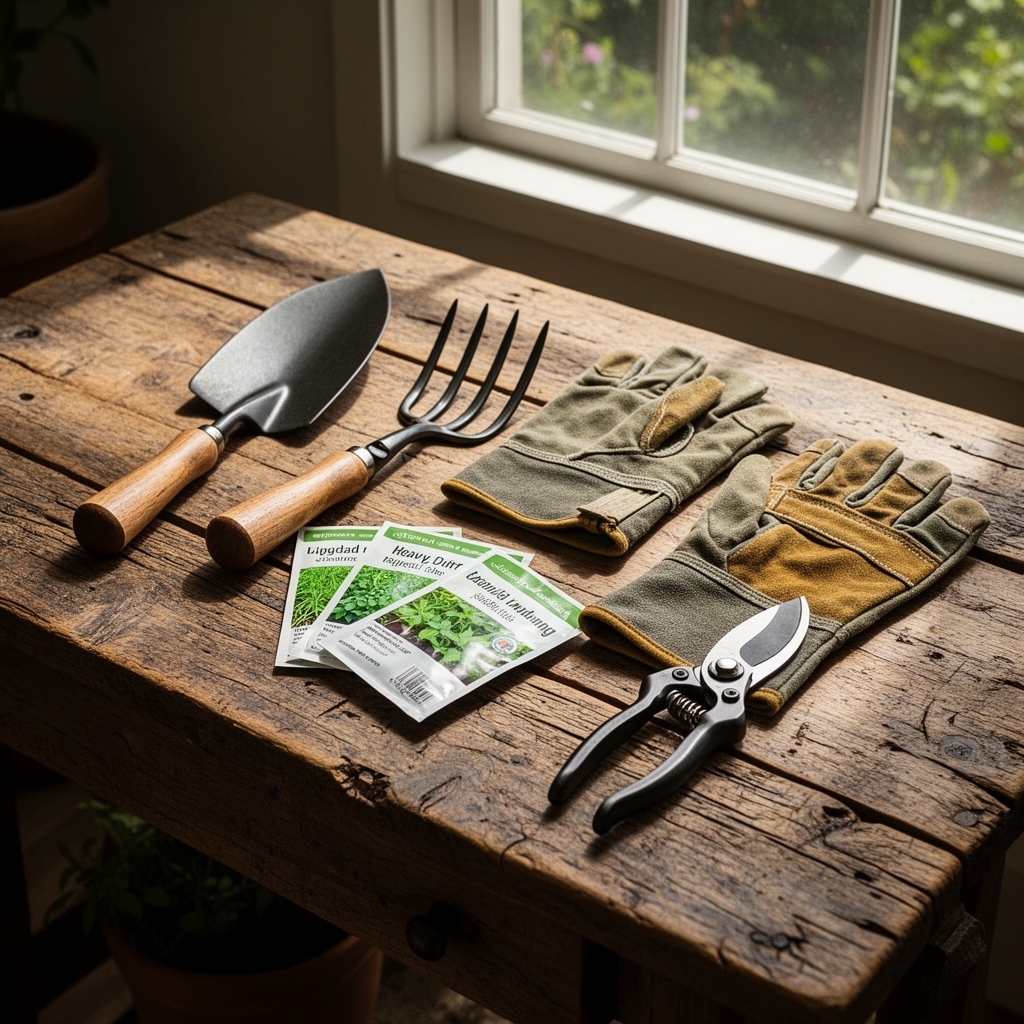
Hardscape materials include UV-stabilized row cover (1.5 oz per square yard) to moderate temperature extremes and deter early-season flea beetles. A soil thermometer with a 6-inch probe tracks when the root zone reaches 50°F, the threshold for most cool-season crops. Drip irrigation tubing with 0.5 GPH emitters every 12 inches delivers water directly to roots while minimizing evaporative loss.
Timing
The frost-free window governs every decision. Zone 4 gardens above 8,000 feet average last frost June 10 and first frost September 5. Zone 5 sites between 7,000 and 8,000 feet gain two additional weeks on each end. Start seeds indoors 6 to 8 weeks before the anticipated last frost date. Transplant cold-hardy brassicas and alliums when soil reaches 40°F, typically late May. Warm-season crops like tomatoes and peppers require soil at 60°F and air temperatures reliably above 45°F at night, pushing transplant dates into mid-June.
Direct-seed lettuce, spinach, and peas as soon as soil is workable, often late April in southern exposures. Succession plant every 14 days through July to extend harvest. For fall crops, count backward from the first frost date and add 14 days to account for slower growth as day length decreases.
Phases
Sowing: Pre-germinate seeds on damp paper towels at 70°F to 75°F for 24 to 48 hours before planting. This technique offsets cold soil that delays emergence. Plant seeds 1.5 times their diameter deep in a soilless mix with pH 5.8 to 6.2. Position seed trays under full-spectrum grow lights for 14 hours daily, maintaining lights 2 inches above foliage to prevent etiolation.
Pro-Tip: Brush seedling tops gently with your hand twice daily to stimulate ethylene production, which thickens stems and prepares plants for wind stress.
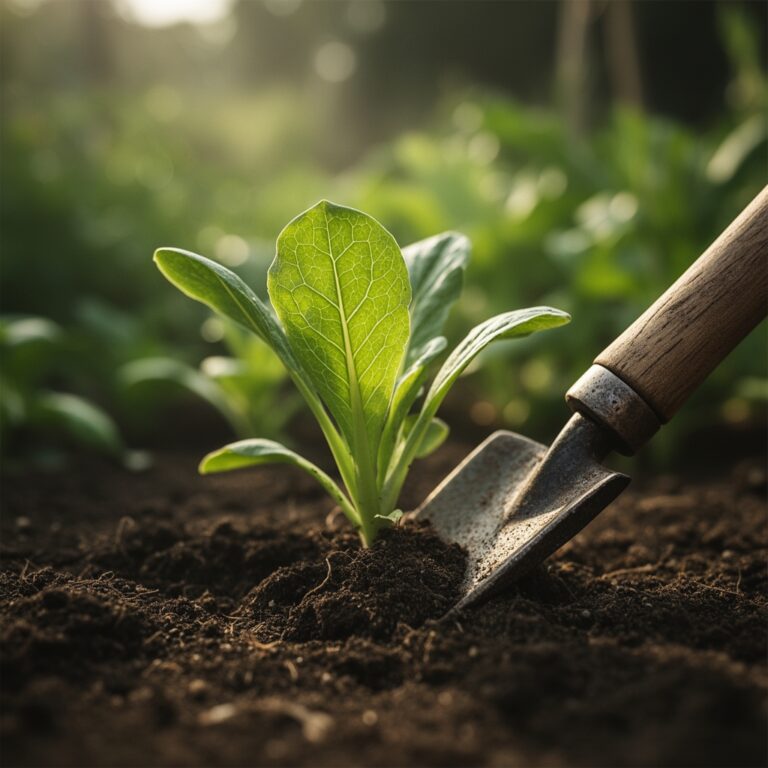
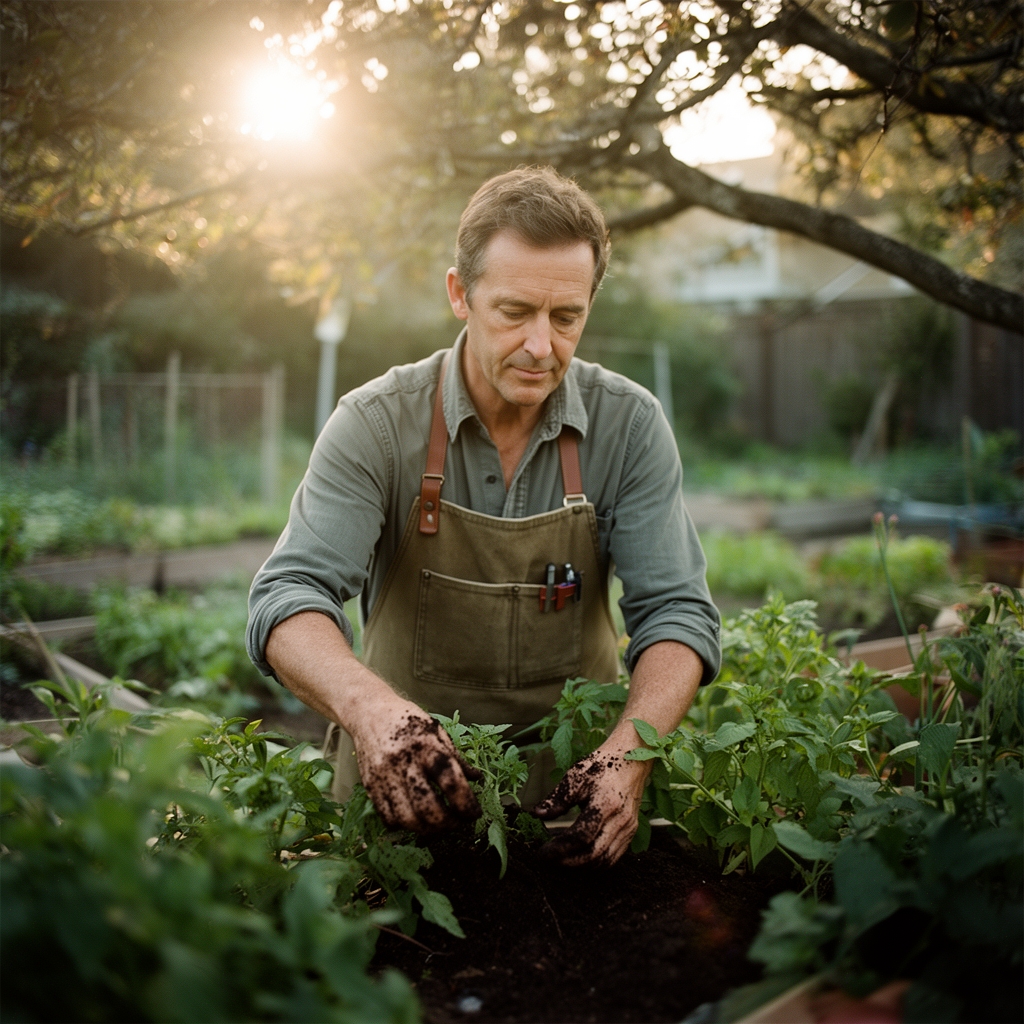
Transplanting: Harden off seedlings over 10 days by gradually increasing outdoor exposure. Transplant on overcast afternoons to reduce shock. Dig holes twice the root ball width and amend with worm castings (1-0-0) at 0.5 cup per plant to inoculate beneficial bacteria. Set transplants at the same depth as the container, except tomatoes, which root along buried stems. Water with a solution of 1 tablespoon fish emulsion (5-1-1) per gallon to jump-start root growth.
Pro-Tip: Apply kaolin clay spray at label rates immediately after transplanting to reflect UV radiation and deter insect feeding.
Establishing: Mulch with 2 inches of straw around plants, leaving 3 inches clear at the stem to prevent rot and vole damage. Install cloches or Wall O' Water sleeves around warm-season crops for the first 3 weeks. Monitor soil moisture daily with your finger; the top 2 inches should dry slightly between waterings to encourage deep rooting. Side-dress with compost tea (diluted 1:4) biweekly to maintain nutrient availability as cold soil slows mineralization.
Pro-Tip: Pinch terminal buds on determinate tomatoes when plants reach 18 inches to redirect energy into fruit set before frost.
Troubleshooting
Symptom: Purple leaf undersides on tomatoes and brassicas.
Solution: Phosphorus lockup from cold soil. Apply liquid kelp foliar spray (1 tablespoon per gallon) weekly until soil warms above 55°F.
Symptom: Blossom end rot on tomatoes and peppers.
Solution: Calcium deficiency exacerbated by irregular watering. Maintain consistent soil moisture at 1 inch per week and side-dress with gypsum (calcium sulfate) at 1 pound per 10 square feet.
Symptom: Flea beetle shothole damage on brassicas.
Solution: Adults overwinter in debris. Apply spinosad at label rates at first sign of damage and cover plants with insect netting.
Symptom: Stunted growth with chlorotic new leaves.
Solution: Iron deficiency in alkaline soils. Drench soil with chelated iron at 1 tablespoon per gallon monthly.
Maintenance
Water deeply twice weekly to deliver 1 inch total, measured with a rain gauge. Drip systems should run 60 to 90 minutes per session. Weed by hand weekly; cultivating deeper than 1 inch severs shallow feeder roots. Prune tomato suckers below the first fruit cluster to concentrate resources. Scout for aphids and hornworms every three days, handpicking pests into soapy water.
Fertilize every 21 days with balanced organic fertilizer (4-4-4) at 1 cup per 10 row feet, scratched into the soil surface. Cease nitrogen applications 30 days before first frost to harden off plants.
FAQ
What vegetables tolerate high altitude best?
Leafy greens, root crops, and brassicas thrive. Choose short-season varieties: 'Stupice' tomatoes (55 days), 'Hakurei' turnips (38 days), and 'Napoli' carrots (58 days).
How do I extend the season?
Use low tunnels with 6-mil plastic sheeting over hoops spaced 4 feet apart. This adds 4 to 6 weeks of growing time and moderates temperature swings.
Why do my plants grow slowly?
Cool soil temperatures below 50°F reduce root activity and nutrient uptake. Warm soil with black plastic mulch for 2 weeks before planting.
Can I grow corn at altitude?
Yes, but select short-season varieties under 75 days like 'Yukon Chief' and plant in blocks for adequate pollination despite unpredictable wind.
Do I need different fertilizer ratios?
Phosphorus availability decreases in cold soils. Use starter fertilizers with higher middle numbers (5-10-5) at transplanting.