5 Easy Ways How to Grow a Pineapple Top
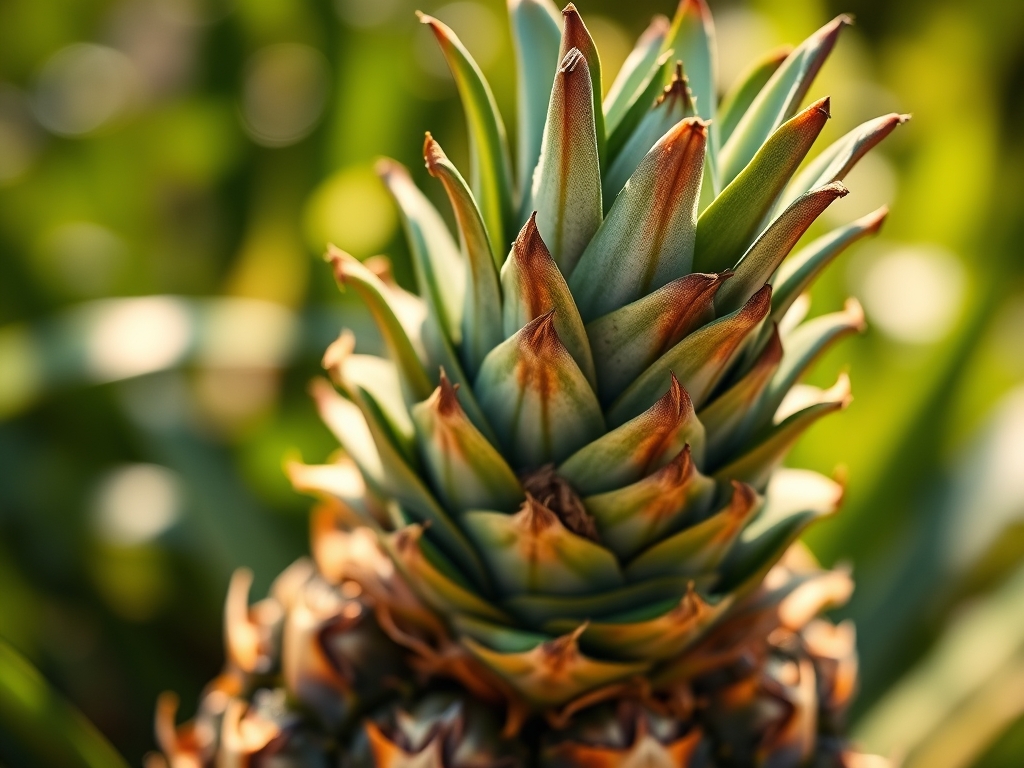
Crushing the crown of an Ananas comosus between your palms reveals the fibrous strength of its structural lignin. A healthy specimen exhibits high turgor pressure; the leaves should be rigid and resist bending without snapping. The scent is not sweet but metallic and sharp, reminiscent of iron-rich soil and bromelain enzymes. Learning how to grow a pineapple top requires understanding that you are essentially performing a clonal propagation. You are forcing a terminal bud to transition from a fruit-supporting structure back into a vegetative state. This process demands precise control over moisture levels to prevent the immediate onset of fungal pathogens. Success depends on the initial selection of a crown that shows no signs of central rot or necrotic leaf tips. Once separated from the fruit, the crown enters a period of metabolic suspension. You must manage this transition to ensure the vascular cambium remains viable while the base callouses. This botanical maneuver transforms kitchen waste into a perennial bromeliad capable of producing a daughter fruit within twenty-four to thirty-six months.
Materials:
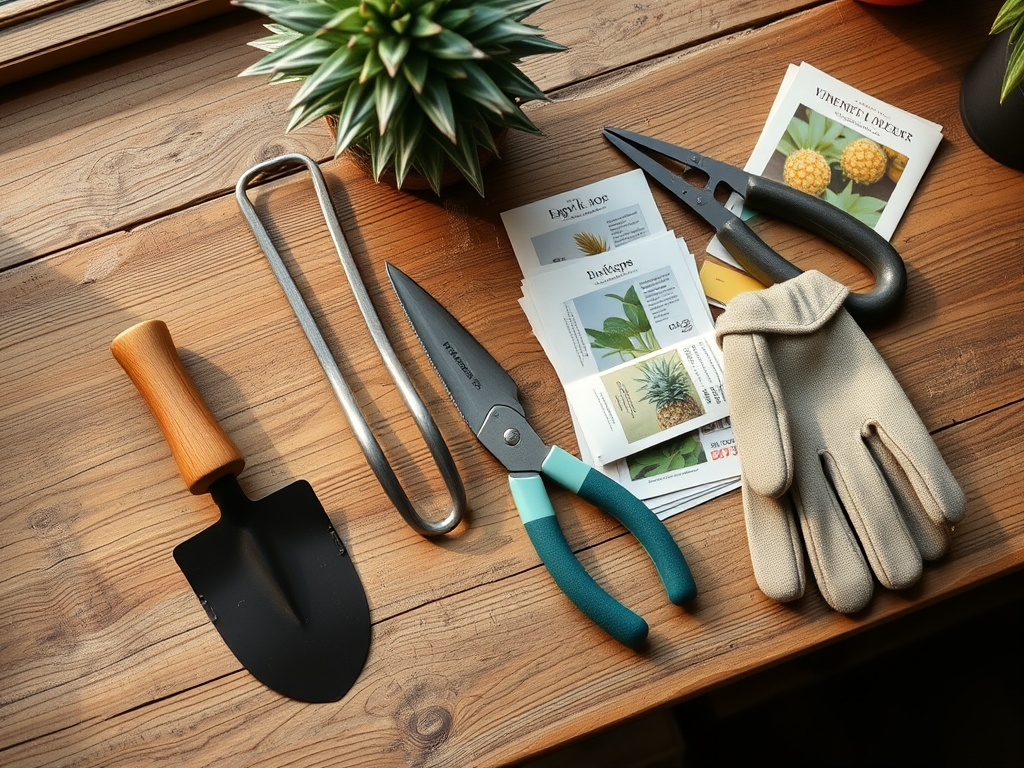
The substrate must be a **friable loam** with high porosity to ensure rapid drainage. Pineapples are susceptible to root rot in anaerobic conditions. Aim for a **soil pH between 4.5 and 6.5**. Bromeliads thrive in acidic environments where micronutrients like iron and manganese are more readily available.
For the initial potting mix, use a ratio of two parts peat moss, two parts perlite, and one part sterilized coarse sand. Avoid heavy clay soils that collapse and suffocate the rhizosphere. Regarding nutrition, look for a controlled-release fertilizer with an NPK ratio of 6-6-6 or 10-10-10. The Cation Exchange Capacity (CEC) of your mix should be moderate; enough to hold nutrients but not so high that it retains excessive water. You will also need a sharp hori-hori knife or a pair of bypass pruners to clean the crown base. A soil moisture meter is essential for monitoring the moisture gradient within the pot.
Timing:
Pineapples are tropical perennials best suited for USDA Hardiness Zones 10 through 11. If you live in a cooler climate, you must treat the plant as an indoor specimen or a container plant that moves inside when temperatures drop below 60 degrees Fahrenheit (15.5 degrees Celsius). Growth ceases entirely when temperatures fall below 50 degrees Fahrenheit.
The biological clock of a pineapple top is governed by the transition from the vegetative stage to the reproductive stage. This is a slow process. The plant typically requires 12 to 24 months of vegetative growth to reach a sufficient size (approximately 30 to 40 leaves) before it can support a fruit. The induction of flowering, known as anthesis, is often triggered by shorter day lengths or cooler night temperatures in the autumn. However, in a home setting, you can sometimes force this transition using ethylene gas exposure once the plant has reached maturity.
Phases:
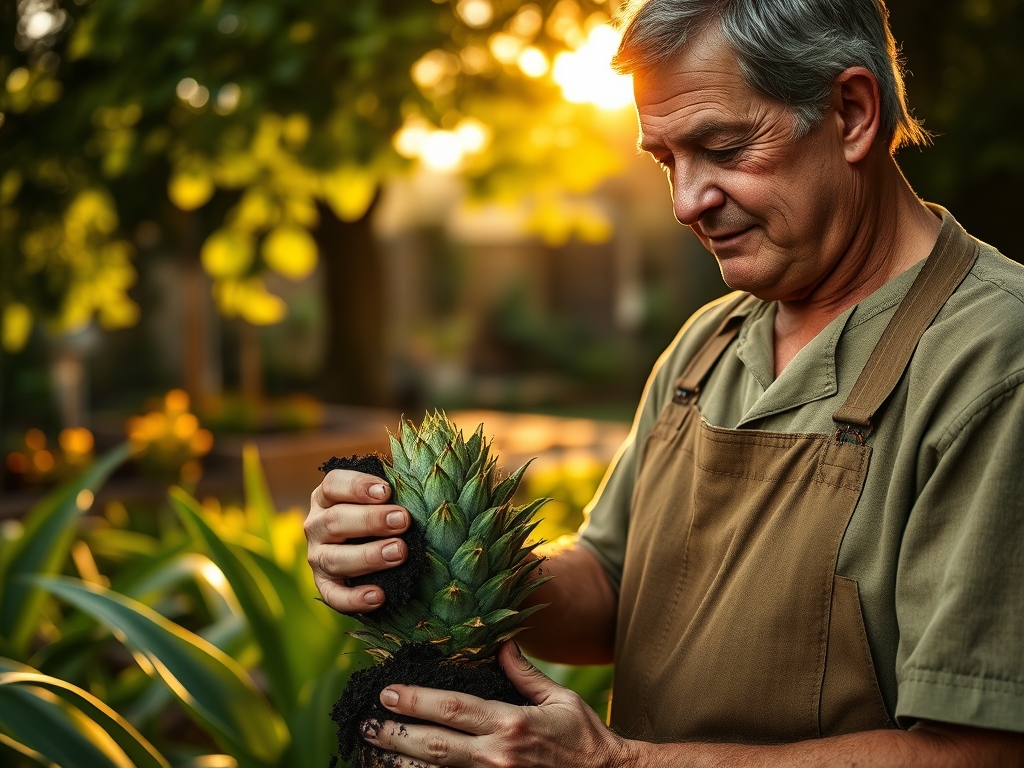
Sowing and Callousing
Begin by twisting the crown off the fruit or cutting it with a one-inch margin of fruit flesh. You must strip away the bottom 10 to 12 leaves to expose the brown nubs of the primordial roots. This exposes the meristematic tissue. Leave the crown on a dry surface for 48 to 72 hours to allow the wound to callous.
Pro-Tip: Allowing the base to callous prevents the immediate entry of water-borne pathogens into the vascular system. This pause allows the plant to seal its cell walls with suberin, a waxy substance that acts as a biological barrier against rot.
Transplanting and Rooting
Place the calloused base into a 6-inch pot filled with the prepared substrate. Bury the base only up to the bottom of the remaining leaves. Firm the soil to eliminate air pockets around the stem. Water sparingly, focusing on the center of the rosette where the plant naturally collects moisture.
Pro-Tip: Pineapples utilize crassulacean acid metabolism (CAM). They close their stomata during the day to conserve water and open them at night. To support this, maintain high ambient humidity around the leaves to reduce the transpiration pull while the root system is still underdeveloped.
Establishing the Rosette
Once the plant shows new leaf growth in the center, it has successfully established its root system. This usually occurs within six to eight weeks. Move the plant to a location receiving at least six to eight hours of direct solar radiation. Increase the pot size to a 3-gallon or 5-gallon container as the plant grows to prevent it from becoming root-bound.
Pro-Tip: The plant exhibits phototropism, where it grows toward the strongest light source. Rotate the pot 90 degrees every week to ensure a symmetrical rosette. This prevents the uneven distribution of auxins, the hormones responsible for cell elongation, which would otherwise cause the plant to lean.
The Clinic:
Physiological disorders in pineapples often manifest through leaf discoloration or structural collapse.
Symptom: Nitrogen Chlorosis.
Leaves turn a pale yellow, starting from the oldest growth.
Solution: Apply a water-soluble fertilizer with a higher nitrogen count. Maintain a consistent NPK schedule every 8 weeks during the growing season.
Symptom: Heart Rot (Phytophthora).
The central leaves turn brown and can be easily pulled out of the rosette.
Solution: This is caused by overwatering or poor drainage. Reduce irrigation immediately. If the rot is advanced, the plant cannot be saved; discard it to prevent the spread of spores.
Symptom: Tip Burn.
The very tips of the leaves become necrotic and dry.
Solution: This often indicates low humidity or excessive salt buildup in the soil. Flush the substrate with distilled water to leach out excess minerals and increase misting frequency.
Symptom: Anthracnose.
Small, water-soaked spots appear on leaves, eventually turning dark brown.
Solution: Improve air circulation around the plant. Avoid overhead watering that leaves the foliage wet for extended periods.
Maintenance:
Precision is the hallmark of successful pineapple cultivation. Provide 1.5 inches of water per week, delivered at the drip line rather than directly into the soil at the base. Use a soil moisture meter to ensure the top two inches of soil are dry before re-watering.
During the peak growing season (April through September), supplement the soil with a micronutrient drench containing chelated iron and magnesium. Use your bypass pruners to remove any dead or senescent leaves at the base of the plant. This improves airflow and reduces hiding spots for scale insects or mealybugs. If the plant is kept indoors, wipe the leaves with a damp cloth every month to remove dust that can interfere with photosynthesis.
The Yield:
Harvesting occurs when the fruit base changes from green to yellow-gold. This typically happens five to seven months after the first appearance of the red flower bract in the center of the plant. The fruit should emit a potent, sugary aroma. To harvest, support the fruit with one hand and use a hori-hori knife to slice the stalk approximately one inch below the fruit base.
Post-harvest, the original plant will not fruit again. However, it will produce "suckers" or "slips" at the base or under the fruit. These can be removed and replanted using the same methods described above. For "day-one" freshness, do not refrigerate the pineapple immediately; allow it to sit at room temperature for 24 hours to let the sugars stabilize before consumption.
FAQ:
How long does it take to grow a pineapple?
Expect a timeline of 24 to 36 months from planting a crown to harvesting fruit. The duration depends on light intensity, temperature consistency, and nutrient availability. Indoor plants generally take longer than those grown in tropical outdoor climates.
Can you grow a pineapple top in water?
Yes, you can suspend the base in water to observe root development. However, you must transplant it into a well-draining soil medium as soon as roots reach one inch. Long-term submersion often leads to vascular tissue decay.
How much sun does a pineapple plant need?
Pineapples require a minimum of six to eight hours of full sun daily. Insufficient light results in leggy, weak leaves and may prevent the plant from ever entering the reproductive stage to produce fruit.
Why are my pineapple leaves turning red?
Reddish-purple hues often indicate phosphorus deficiency or stress from cold temperatures. Ensure the ambient temperature remains above 60 degrees Fahrenheit and check your NPK balance to ensure adequate phosphorus levels for root and fruit development.