5 Expert Ways How to Follow Juniper Bonsai Tips
The scent of crushed needles and damp akadama signifies a healthy specimen. To master how to follow juniper bonsai tips, one must understand that a juniper is not a houseplant; it is a rugged conifer that requires high UV exposure and distinct seasonal shifts to maintain turgor pressure. A healthy juniper displays stiff, waxy foliage that resists bending. If the needles feel soft or appear dull, the vascular system is likely failing due to anaerobic soil conditions or insufficient light. Successful cultivation requires a deep understanding of the rhizosphere and the specific physiological demands of the Juniperus genus. Most beginners fail because they treat the tree as an aesthetic object rather than a biological engine. You must monitor the moisture levels within the cellular structure of the wood. This guide provides the technical framework necessary to transition from a casual hobbyist to a serious practitioner of coniferous horticulture.
Materials:
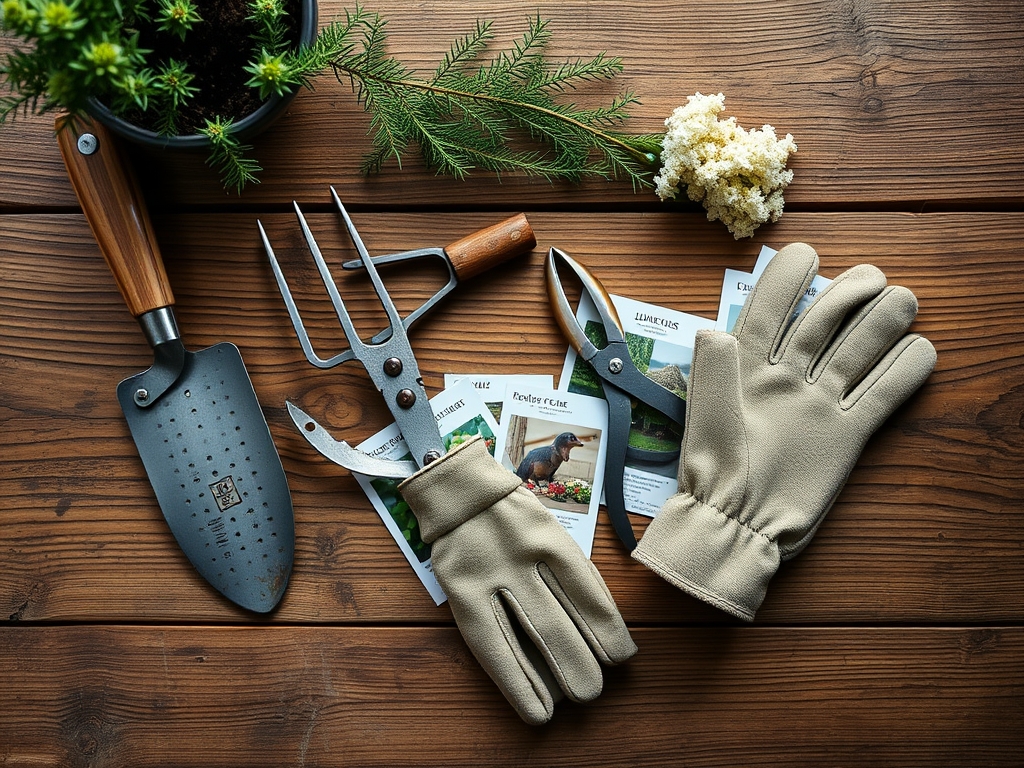
Substrate selection is the foundation of health. Junipers require a highly porous, inorganic medium with a **pH range of 5.5 to 6.5**. The ideal mix consists of **33% akadama, 33% pumice, and 33% lava rock**. This combination ensures a high Cation Exchange Capacity (CEC), allowing the roots to efficiently absorb nutrients while maintaining a high oxygen-to-water ratio. The texture must be gritty and granular; avoid fine sands or silts that collapse and suffocate the roots.
For fertilization, use an organic slow-release pellet with an NPK ratio of 5-5-5 during the growing season. In late summer, transition to a low-nitrogen formula, such as 0-10-10, to harden the vascular tissues and prepare the tree for dormancy. Avoid high-nitrogen chemical fertilizers that cause "leggy" growth and weaken the tree's natural resistance to environmental stressors.
Timing:
Junipers are generally hardy in USDA Zones 4 through 9. They require a period of winter dormancy where temperatures drop below 45 degrees Fahrenheit (7 degrees Celsius) for at least 1,000 hours. Without this cold period, the tree will suffer from physiological exhaustion and eventual senescence.
The biological clock of the juniper is driven by the photoperiod. In early spring, as day length increases, the tree moves from dormancy into its primary vegetative growth phase. This is the only window for significant structural pruning or repotting. Once the tree enters the heat of mid-summer, its metabolic rate slows to conserve water through a process called "summer dormancy." Attempting major work during this period can lead to immediate vascular collapse.
Phases:
Sowing and Initial Propagation
Most juniper bonsai begin as cuttings or nursery stock rather than seeds due to the long stratification requirements of juniper berries. When taking a cutting, ensure you include a "heel" of older wood. Dip the cutting in an Indole-3-butyric acid (IBA) rooting hormone at a concentration of 0.3% to 0.8%.
Pro-Tip: Maintaining high humidity around the needles is vital because the cutting cannot yet pull water from the soil. This relies on the principle of foliar absorption, where the plant takes in moisture through the stomata until the adventitious roots develop.
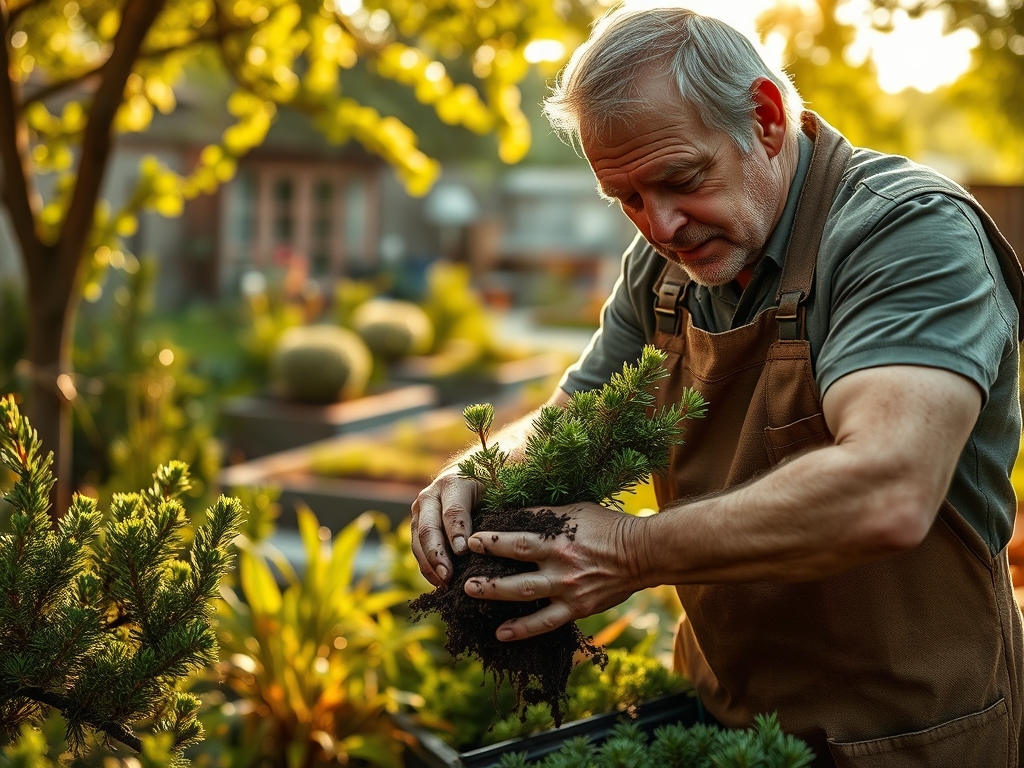
Transplanting and Root Management
Repotting should occur every two to three years for young trees and every five years for older specimens. When pruning roots, never remove more than 25% of the total root mass. Use a sharp hori-hori knife to saw through circling roots at the edge of the pot.
Pro-Tip: Always retain a portion of the old soil to preserve mycorrhizal symbiosis. These beneficial fungi attach to the root hairs and significantly increase the surface area for nutrient uptake, particularly phosphorus.
Establishing and Wiring
Wiring is the primary method for shaping the trunk and branches. Use annealed copper wire for junipers, as it provides the strength needed to hold stiff coniferous wood. Apply wire at a 45-degree angle to the branch.
Pro-Tip: Wiring works by utilizing auxin suppression. By bending a branch downward, you disrupt the flow of auxins (growth hormones) to the tip, which encourages "back-budding" or the development of foliage closer to the trunk.
The Clinic:
Physiological disorders in junipers often manifest slowly, making early detection difficult.
- Symptom: Yellowing of needles starting from the interior.
Solution: This is often Nitrogen Chlorosis. Apply a chelated liquid fertilizer with a high nitrogen content (10-5-5) and ensure the tree is receiving at least six hours of direct sunlight. - Symptom: Brittle, graying foliage that falls off when touched.
Solution: This indicates root rot (Phytophthora) caused by anaerobic soil. Immediately stop watering and check the drainage holes. You may need to emergency repot into a 100% pumice substrate to restore oxygen to the rhizosphere. - Symptom: White, cottony spots on the branches.
Solution: This is a sign of scale insects. From a botanical perspective, these are sap-sucking organisms that deplete the tree's turgor. Apply a 2% horticultural oil spray during the dormant season to suffocate the larvae.
Maintenance:
Precision is the difference between a living tree and a dead one. Use a soil moisture meter to check the core of the root ball. Do not water on a schedule; water when the top 0.5 inches of soil feels dry. When you water, do so until it drains freely from the bottom of the pot to flush out accumulated salts.
Pruning should be done with bypass pruners or specialized bonsai shears. Never "hedge" a juniper with shears; this causes the tips to brown. Instead, use your fingers to "pinch" out the new extending shoots (runners). This maintains the "cloud" shape of the foliage pads without damaging the individual needle structures. During the winter, protect the root ball from freezing solid by burying the pot in mulch or placing it in an unheated garage. While the foliage can handle the cold, the limited soil volume in a bonsai pot can lead to root desiccation if the water in the soil freezes and becomes unavailable to the plant.
The Yield:
While junipers do not produce edible fruit in a traditional sense, the "yield" of a bonsai is its structural maturity and the development of shari (deadwood on the trunk) and jin (deadwood branches). To create these features, use a peeling tool to remove the cambium layer, exposing the heartwood. Treat the exposed wood with lime sulfur to bleach it white and prevent fungal decay. This process should be done in mid-summer when the tree's sap flow is most active, allowing the edges of the live vein to callous over quickly.
FAQ:
How much sunlight does a juniper bonsai need?
Junipers require a minimum of six to eight hours of direct outdoor sunlight daily. Insufficient light leads to weak, elongated growth and a failure of the photosynthesis process, eventually killing the tree. Never keep a juniper indoors for more than two days.
Why are my juniper needles turning brown in the center?
Interior browning is often a natural process called senescence, where the tree sheds old, shaded needles. However, if the browning is widespread, it indicates poor airflow or a lack of light reaching the inner canopy. Thin the foliage to improve penetration.
Can I grow a juniper bonsai indoors?
No. Junipers are temperate trees that require seasonal temperature fluctuations and high UV levels. Indoor environments lack the light intensity and the necessary cold dormancy period, which leads to a total collapse of the tree's metabolic functions within one season.
When is the best time to wire a juniper?
The best time is late autumn or early winter. During this period, the tree's sap flow slows down, making the branches more flexible and reducing the risk of snapping. The wire can stay on through the following growing season.