8 Best Bonsai Tree Care Tips for Success
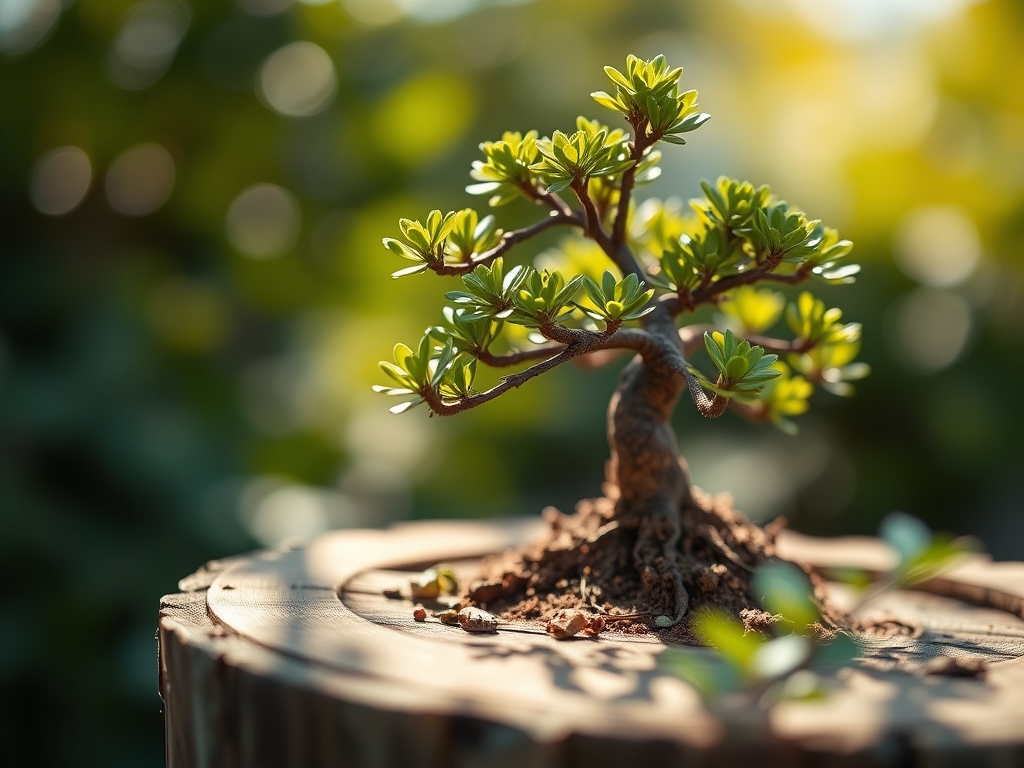
Damp akadama clay emits a sharp, metallic scent when hydrated; it is the smell of a controlled ecosystem. A healthy bonsai exhibits high turgor pressure, evidenced by leaves that resist bending and stems that snap cleanly rather than tearing. Mastering the best bonsai tree care tips requires moving beyond aesthetic appreciation and into the realm of cellular management. You are managing a restricted rhizosphere where every milliliter of water and milligram of mineral impacts the plant's metabolic rate. Success is measured by internodal length and the lignification of secondary xylem. This guide provides the technical framework to sustain a miniature tree within the confines of a shallow ceramic vessel. We will address the precise chemical and physical requirements necessary to prevent senescence and encourage vigor. By understanding the intersection of hydraulic conductance and nutrient availability, you can maintain these specimens for decades. The following data points represent the gold standard for professional arboriculture in miniature.
Materials:
The substrate is the most critical component of the bonsai system. A friable loam is insufficient for long-term health; instead, use a structured mix of 70 percent inorganic matter and 30 percent organic matter. The ideal substrate consists of Akadama, Pumice, and Lava Rock in equal parts. This mixture ensures high porosity and a high Cation Exchange Capacity (CEC), allowing the roots to access minerals efficiently.
Maintain a soil pH between 5.5 and 6.5 for most species. Conifers prefer the more acidic end of this spectrum. For fertilization, utilize a balanced NPK ratio of 10-10-10 during the peak growing season. As the tree enters the late summer phase, transition to a 0-10-10 or 3-10-10 formula to discourage soft vegetative growth and promote wood hardening. The physical texture must be granular; particles should range from 2mm to 6mm in diameter to prevent the accumulation of perched water tables at the bottom of the pot.
Timing:
Bonsai management is dictated by USDA Hardiness Zones and the specific photoperiod requirements of the species. Deciduous trees in Zones 5 through 8 require a distinct dormancy period where temperatures remain between 35 and 45 degrees Fahrenheit for at least 1,000 hours. Failure to provide this cold stratification results in metabolic exhaustion.
The biological clock of the tree transitions from the vegetative stage to the reproductive or hardening stage as day length decreases. Perform major structural pruning in late winter before the sap begins to flow. Repotting must occur during the narrow window when buds begin to swell but before the first leaves unfurl. This timing ensures that the tree has sufficient stored carbohydrates in the trunk to repair root tissues damaged during the transition.
Phases:
Sowing and Propagation
Starting from seed or cuttings requires a sterile medium to prevent damping-off. Maintain a constant soil temperature of 70 degrees Fahrenheit using a heat mat. For cuttings, apply an auxin-based rooting hormone to the pericycle layer to stimulate adventitious root formation.
Pro-Tip: Utilize bottom heat to encourage root development before foliage emerges. This manages the auxin-to-cytokinin ratio, ensuring the plant has a hydraulic system capable of supporting new leaves.
Transplanting and Root Pruning
When transplanting, remove no more than 30 percent of the total root mass. Focus on eliminating thick, downward-growing taproots while preserving the fine feeder roots located at the periphery of the root ball. Secure the tree to the pot using 1.5mm copper wire to prevent movement that could snap new root hairs.
Pro-Tip: Inoculate the new substrate with mycorrhizal fungi. This symbiotic relationship increases the surface area for water absorption and improves the uptake of phosphorus, which is often immobile in the soil.
Establishing and Wiring
Wiring allows for the redirection of the tree's energy. Apply wire at a 45-degree angle to the branch. Monitor the branch daily to ensure the wire does not bite into the cambium as the branch thickens.
Pro-Tip: Wiring exploits phototropism and apical dominance. By bending a terminal leader downward, you suppress the flow of auxins to that tip, which stimulates lateral bud development and creates a denser canopy.
The Clinic:
Physiological disorders in bonsai are often the result of environmental stressors rather than pathogens.
-
Symptom: Interveinal chlorosis (yellowing leaves with green veins).
-
Solution: This indicates an iron deficiency, often caused by a pH that is too high. Apply chelated iron and adjust the water pH to 6.0.
-
Symptom: Leaf scorch or crisp margins.
-
Solution: This is a sign of localized dehydration or salt buildup. Flush the substrate with three volumes of distilled water to leach excess fertilizer salts and increase ambient humidity.
-
Symptom: Abnormally long internodes.
-
Solution: This is caused by low light (etiolation) or excessive nitrogen. Increase light exposure to 6 hours of direct sun and reduce NPK nitrogen levels.
-
Fix-It for Nitrogen Chlorosis: If the entire leaf turns pale green, apply a quick-release liquid fertilizer with a 5 percent nitrogen concentration to restore chlorophyll production.
Maintenance:
Precision is the hallmark of professional maintenance. Use a soil moisture meter to verify that the core of the root ball is damp but not anaerobic. Most bonsai require the equivalent of 1.5 inches of water per week, though this must be applied in small, frequent increments due to the low volume of the pot.
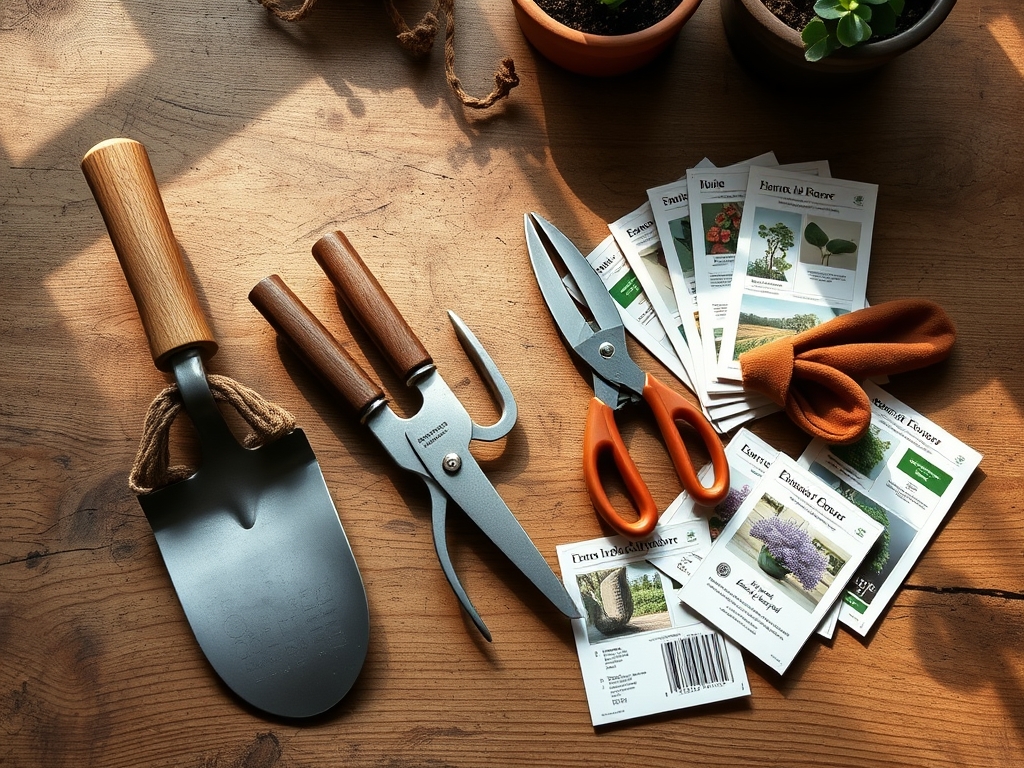
Utilize bypass pruners for clean cuts that minimize tissue damage. For fine detail work, a hori-hori knife is useful for weeding and extracting the tree during repotting. Always disinfect tools with 70 percent isopropyl alcohol between trees to prevent the cross-contamination of vascular pathogens. Pruning should follow the "one-two" rule: for every two new nodes of growth, prune back to one node to maintain the silhouette and encourage ramification.
The Yield:
For fruiting species like Malus (crabapple) or Punica (pomegranate), harvest the fruit as soon as it reaches full color. Leaving fruit on a bonsai for too long depletes the tree's energy reserves and can lead to branch dieback the following season. Use sharp snips to cut the pedicel; do not pull the fruit. To maintain "day-one" freshness for display, keep the harvested fruit in a cool, humid environment at 40 degrees Fahrenheit.
FAQ:
How often should I water my bonsai?
Water when the top 0.5 inches of substrate feels dry. Use a watering can with a fine rose to avoid displacing soil. Frequency varies by species and temperature; check the moisture level daily using a wooden chopstick or moisture meter.
Why are my bonsai leaves falling off?
Sudden leaf drop is usually caused by osmotic shock or extreme temperature fluctuations. Check for overwatering, which leads to root rot, or underwatering, which causes the plant to shed leaves to reduce transpiration and preserve core moisture.
When is the best time to prune?
Structural pruning should occur during winter dormancy. Maintenance pinching of new shoots should be done throughout the growing season. Always leave at least two sets of leaves on a branch to ensure the vascular flow remains active.
Does my bonsai need a bigger pot?
Bonsai are repotted to refresh the soil, not necessarily to increase pot size. If the roots are circling the interior of the container and water no longer penetrates the substrate, it is time to root prune and repot into fresh media.