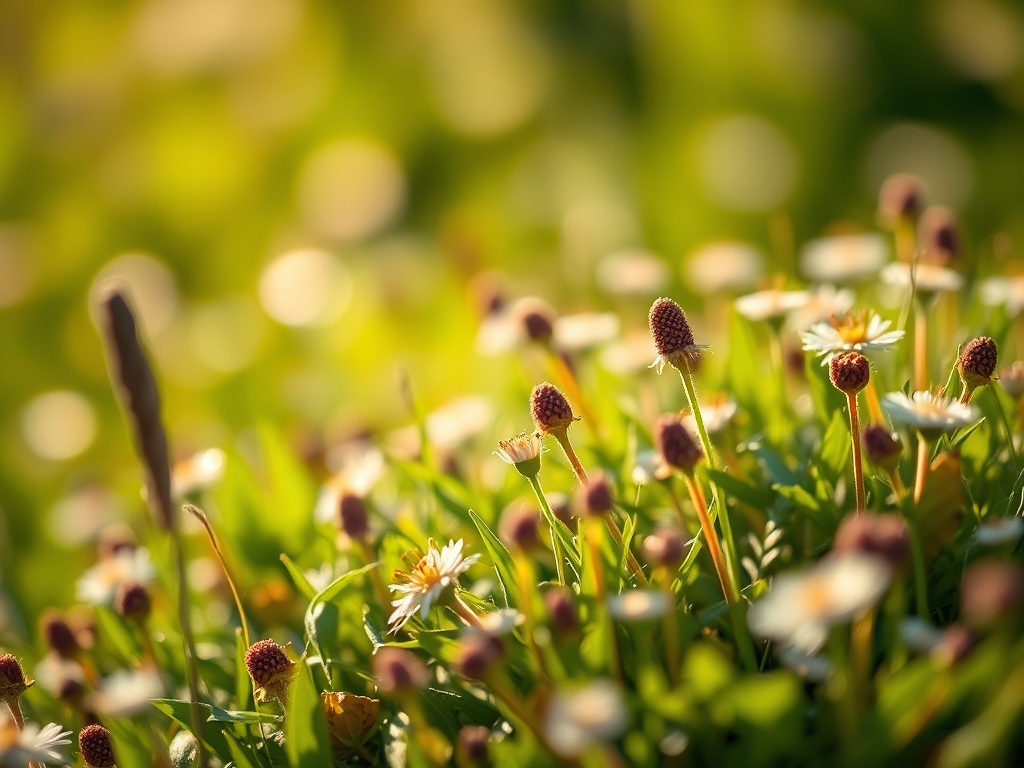
9 Vibrant Ways How to Design a Perennial Meadow
The scent of damp, mineral-rich earth signals the beginning of a successful planting cycle. When a leaf maintains high turgor pressure, its cells are fully hydrated and rigid; this state is the baseline for a resilient landscape. Learning how to design a perennial meadow requires moving beyond aesthetics into the realm of functional ecology. You must calculate biomass density and species competition to ensure the site reaches a self-sustaining equilibrium without succumbing to invasive pressure or nutrient depletion.
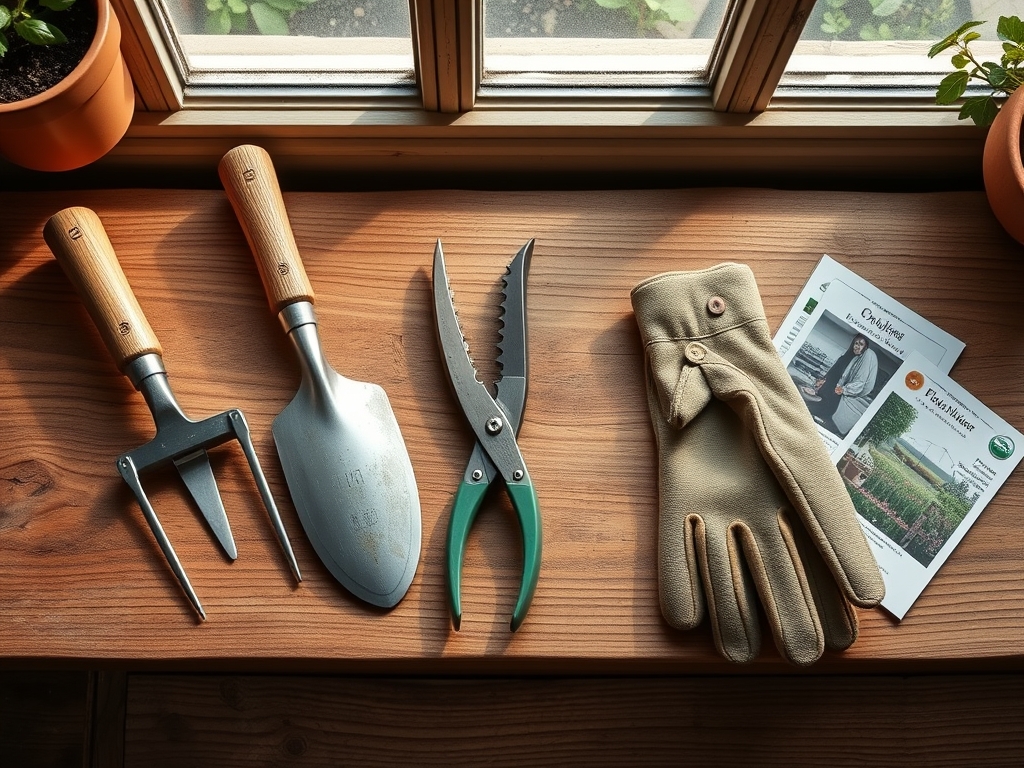
Materials:
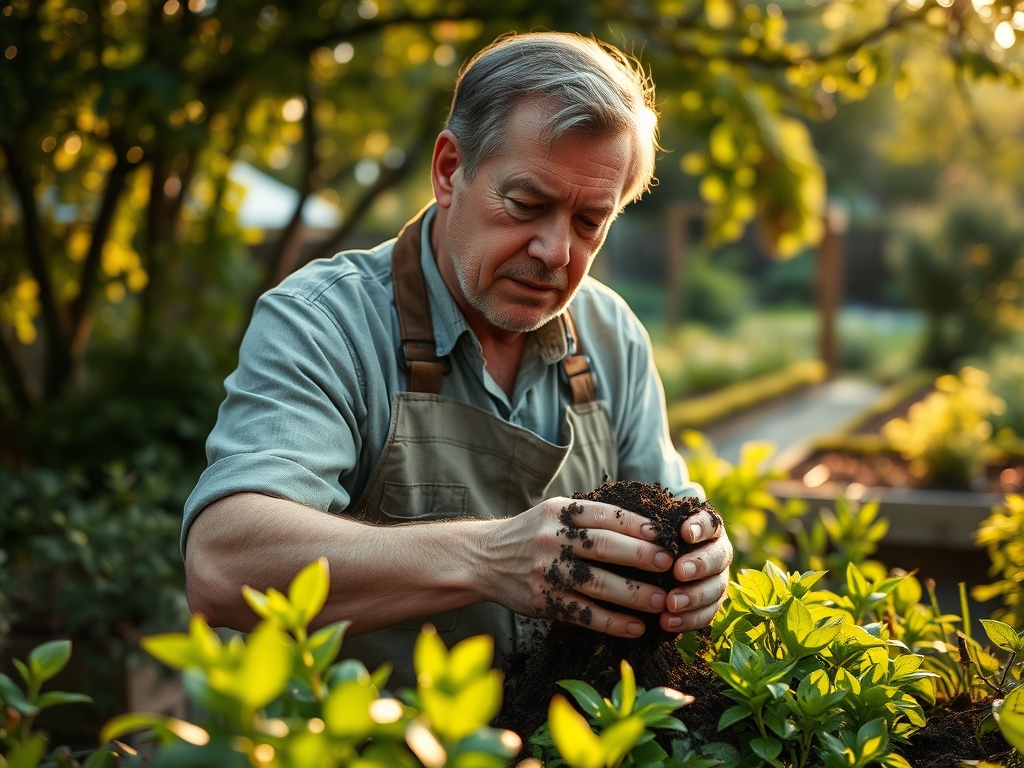
The foundation of a meadow is the rhizosphere. You require a friable loam with a Cation Exchange Capacity (CEC) between 15 and 25 meq/100g. This ensures the soil can retain and exchange essential cations like calcium and magnesium. Conduct a soil test to determine your baseline; most perennial meadows thrive in a pH range of 6.0 to 7.0.
For the establishment phase, target a low-nitrogen environment to prevent aggressive grasses from outcompeting forbs. An NPK ratio of 5-10-10 is preferable. High nitrogen levels (the first number) trigger rapid vegetative growth that leads to weak cell walls and lodging. You want phosphorus for root development and potassium for cellular signaling and drought resistance. Ensure you have bulk coarse sand or perlite if your clay content exceeds 30 percent to prevent anaerobic conditions during heavy rainfall.
Timing:
Success depends on the photoperiod and thermal windows of your specific Hardiness Zone. In Zones 4 through 6, the primary planting window opens when soil temperatures consistently hit 55 degrees Fahrenheit. In warmer Zones 8 through 10, autumn sowing is superior to allow for vernalization; the process where seeds must experience cold temperatures to break dormancy.
The biological clock of a meadow involves a transition from the vegetative stage to the reproductive stage. This is governed by phytochrome receptors within the leaves that sense the ratio of red to far-red light. Most North American perennials are long-day plants, requiring more than 12 hours of light to initiate flowering. If you plant too late in the season, the species may not establish sufficient root carbohydrates before senescence occurs in late autumn.
Phases:
Sowing
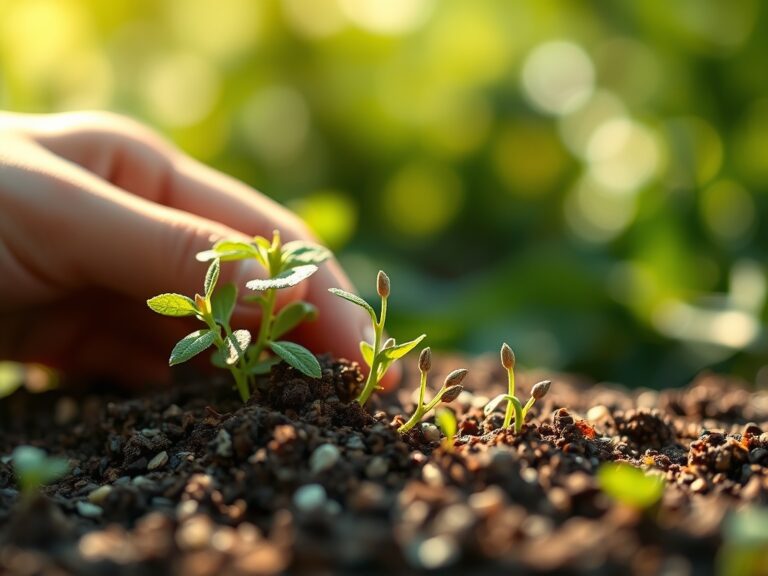
Broadcast seeds at a rate of 5 to 8 pounds per acre for a dense stand. Mix the seed with a carrier like damp sand at a 3:1 ratio to ensure even distribution. Lightly rake the surface, but do not bury the seeds deeper than one-eighth of an inch; many meadow species are photoblastic and require light to trigger germination.
Pro-Tip: Utilize the "Stale Seedbed" technique. Water the bare ground for two weeks to force weed germination, then terminate them with a flame weeder before sowing your meadow. This reduces competition for the apical dominance of your desired seedlings.
Transplanting
When using "plugs" or containerized starts, space them 12 to 18 inches on center. Dig a hole twice the width of the root ball. Ensure the crown of the plant is level with the soil surface to prevent crown rot.
Pro-Tip: Inoculate the planting hole with endomycorrhizal fungi. This biological symbiosis expands the root surface area by up to 1,000 percent, allowing the plant to scavenge for phosphorus and water in tight pore spaces the root hairs cannot reach.
Establishing
During the first 60 days, the meadow is in a critical establishment phase. Maintain soil moisture at 20 to 30 percent capacity. If the soil dries out completely, the delicate root hairs will desiccate, causing a permanent loss in the plant's ability to transport xylem sap.
Pro-Tip: Do not fertilize with high-nitrogen synthetic blends during the first year. This prevents auxin suppression in the roots. You want the plant to prioritize downward root expansion rather than upward leaf production during its first 365 days.
The Clinic:
Physiological disorders often mimic disease but are usually environmental.
-
Symptom: Interveinal chlorosis (yellowing between leaf veins) on new growth.
-
Solution: This indicates an Iron (Fe) deficiency, often caused by a pH above 7.5. Lower the pH using elemental sulfur at a rate of 5 pounds per 1,000 square feet.
-
Symptom: Purple or reddish tinting on older leaves during spring.
-
Solution: Phosphorus (P) deficiency. This often occurs in cold soils below 50 degrees Fahrenheit where P becomes chemically locked. Apply a liquid seaweed extract to provide immediate foliar uptake.
-
Symptom: Marginal leaf burn (browning of leaf edges).
-
Solution: Potassium (K) deficiency or high salinity. Flush the soil with 2 inches of water to leach excess salts and check your soil moisture meter to ensure the plant is not suffering from localized drought.
Fix-It: For general Nitrogen chlorosis (overall paling of the entire plant), apply a slow-release organic meal. Target a delivery of 0.5 pounds of actual Nitrogen per 1,000 square feet to avoid "burning" the tender rhizomes.
Maintenance:
A precision-managed meadow requires specific hydration. Deliver 1.5 inches of water per week at the drip line during the first growing season. Use a soil moisture meter to verify that the moisture has reached a depth of 6 inches.
For pruning and management, use a hori-hori knife to extract deep-taproot weeds like dandelion without disturbing the surrounding soil structure. In late winter, use bypass pruners to cut back dead biomass to a height of 4 inches. This removes the previous year's growth while leaving habitat for beneficial insects. Do not use a flail mower if the ground is saturated; this causes soil compaction which reduces the oxygen diffusion rate to the roots.
The Yield:
If your meadow includes species for cutting, such as Echinacea or Rudbeckia, harvest when the first ring of ray florets has opened. Cut the stems at a 45-degree angle using a sharp, sanitized blade to prevent crushing the vascular bundles.
Immediately plunge the stems into water at 100 degrees Fahrenheit. This heat reduces the viscosity of the water, allowing it to move faster through the xylem to restore turgor pressure. Store the cut flowers in a cool environment (35 to 40 degrees Fahrenheit) to slow the rate of respiration and ethylene production, ensuring day-one freshness for up to seven days.
FAQ:
How much sun does a perennial meadow need?
A meadow requires a minimum of 6 to 8 hours of direct solar radiation daily. Insufficient light leads to etiolation, where stems become elongated and weak due to the plant's search for a higher Light Compensation Point.
Can I start a meadow in heavy clay?
Yes, but you must select "wet prairie" species. Incorporate 3 inches of organic matter to improve the macropore space. This increases the aeration and prevents the roots from suffocating during periods of high soil saturation.
When is the best time to mow a meadow?
Mow once per year in late winter or early spring before new basal growth appears. Set the blade height to 4 or 6 inches. This mimics the natural disturbance of grazing and prevents woody succession from taking over the site.
How do I stop weeds from taking over?
Maintain high planting density to ensure canopy closure. When the leaves of your desired perennials touch, they shade the soil surface. This prevents weed seeds from receiving the light signals required to trigger their germination cycle.
Why are my perennials not flowering the first year?
Many perennials are obligate vernalizers, meaning they must experience a period of cold (below 40 degrees Fahrenheit) to trigger the transition from vegetative to reproductive growth. They spend the first year building root carbohydrates for future flowering cycles.