9 Vital Steps to Grow an Avocado Pit Tree
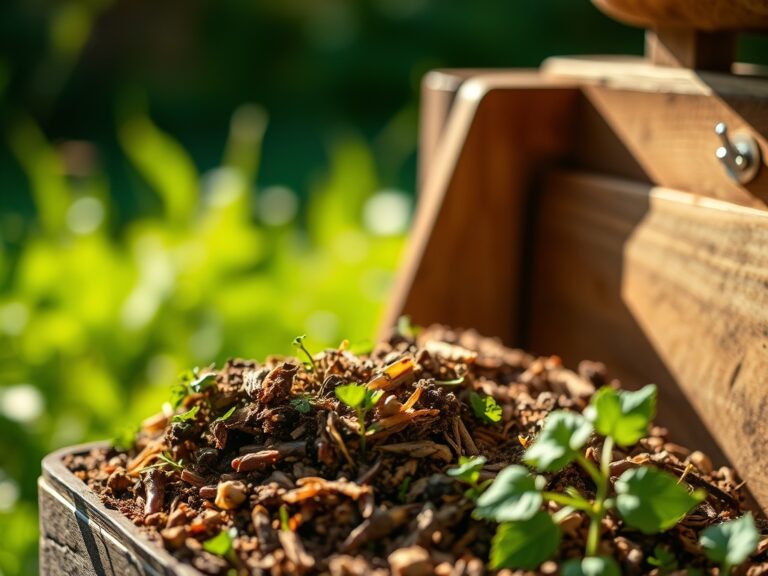
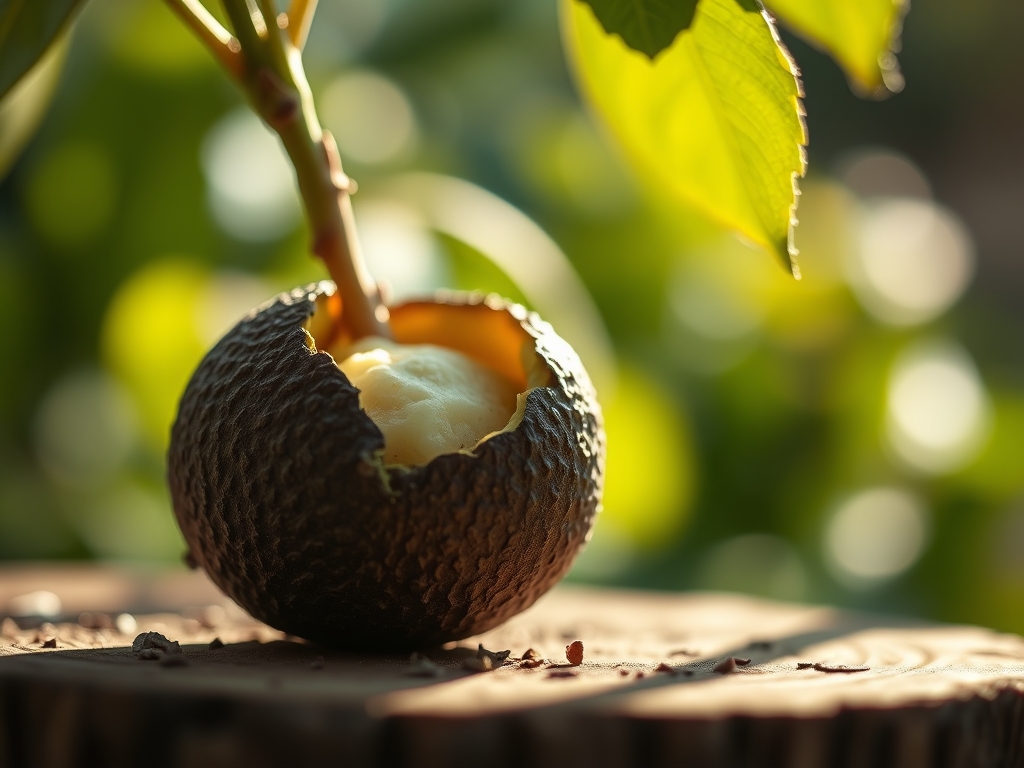
The scent of damp, decaying organic matter signals a healthy rhizosphere where the process of germination begins. A viable avocado pit feels heavy and firm; its outer brown skin, the testa, should be intact and free of fungal lesions. When you master the steps to grow an avocado pit tree, you are managing a complex physiological transition from a dormant embryo to a vascular plant. Success depends on maintaining high turgor pressure within the cellular structure to ensure the emerging radicle can pierce the seed coat. This process requires precise environmental controls to prevent the desiccation of the delicate apical meristem. An avocado tree is not merely a houseplant; it is a long-term horticultural project that demands an understanding of soil chemistry and plant physiology. Failure usually occurs during the first forty-eight hours of water immersion or the first week of soil transition. By controlling the light spectrum and the mineral composition of the substrate, you can force a standard grocery store pit into a robust sapling capable of reaching several feet in height within its first two years.
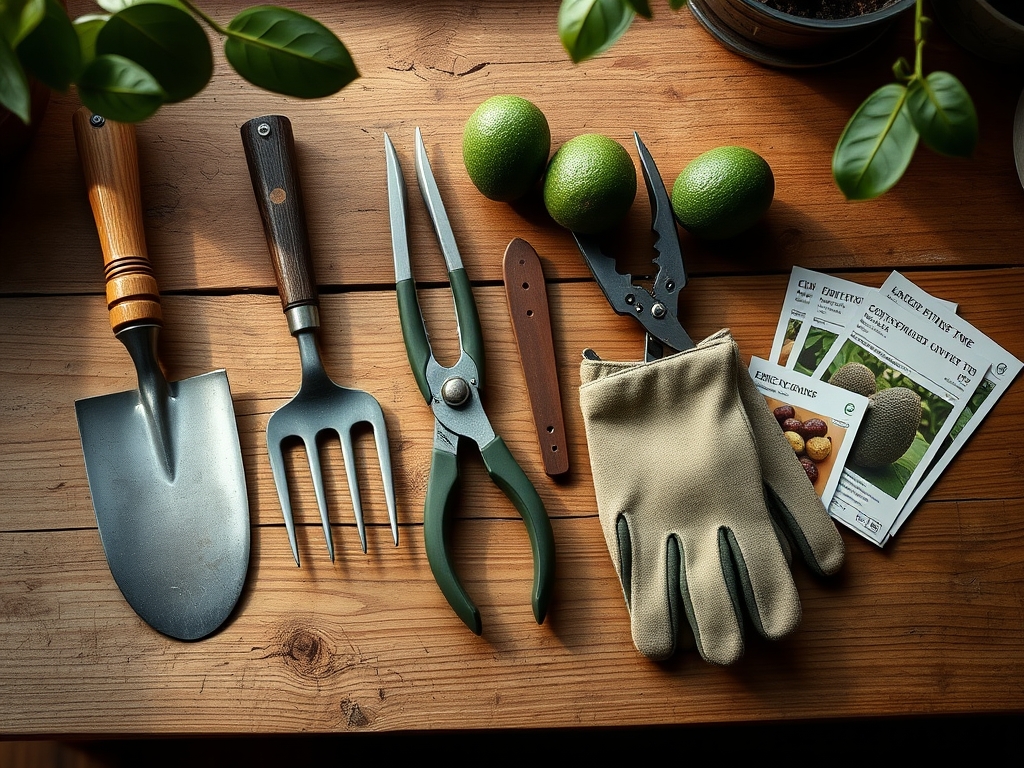
Materials:
The foundation of a healthy Persea americana is a substrate with high Cation Exchange Capacity (CEC). This allows the soil to hold and release essential nutrients like potassium and magnesium. You require a friable loam consisting of 40% peat moss or coconut coir, 30% perlite for aeration, and 30% sterilized compost. The ideal soil pH must sit between 6.0 and 6.5 to ensure nutrient bioavailability.
For the initial growth phase, focus on an NPK ratio of 10-30-10. The high phosphorus content encourages vigorous root development and cellular division in the early stages. Once the tree establishes its first true leaves, transition to a 10-5-20 fertilizer. The increased potassium supports the structural integrity of the xylem and phloem. Avoid heavy clay soils that restrict oxygen flow to the roots; avocados are highly susceptible to root rot caused by anaerobic conditions. Use a soil moisture meter to verify that the substrate remains at a consistent 70% saturation during the germination phase.
Timing:
Avocado trees are native to tropical climates and are typically suited for USDA Hardiness Zones 9 through 11. If you live in a colder region, the biological clock of the plant must be managed indoors. The transition from the vegetative stage to the reproductive stage is governed by the photoperiod and temperature fluctuations.
Sowing should ideally occur in the spring when ambient temperatures consistently remain between 65 and 85 degrees Fahrenheit. This aligns with the plant's natural growth cycle, maximizing the use of increasing daylight hours. If the temperature drops below 50 degrees Fahrenheit, the plant enters a state of semi-dormancy where metabolic processes slow significantly. Frost is fatal to young avocado trees because their high water content leads to cellular rupture when ice crystals form within the plant tissue. Monitor the local frost-date window closely; never move a young sapling outdoors until the threat of a freeze has passed for at least three consecutive weeks.
Phases:
Sowing
Clean the pit of all fruit residue to prevent the growth of Penicillium mold. Identify the "up" end (slightly pointed) and the "down" end (flat). Suspend the pit using three toothpicks in a vessel of filtered water, ensuring the bottom one-third of the pit is submerged. Place the vessel in a location with indirect sunlight and maintain a temperature of 70 degrees Fahrenheit.
Pro-Tip: The pit relies on hydrotropism, where the root system grows toward moisture gradients. Keeping the water level consistent prevents the emerging radicle from air-pruning, which would halt the growth of the primary taproot.
Transplanting
Once the stem reaches six to seven inches in height, prune it back to three inches to encourage lateral branching. When the root system is thick and the stem has regrown leaves, move the plant to a pot with a 10-inch diameter. Use the friable loam mentioned previously. Ensure the top half of the pit remains exposed above the soil line to prevent crown rot.
Pro-Tip: This pruning triggers auxin suppression. By removing the apical bud, you stop the dominant upward growth and force the plant to distribute growth hormones to axillary buds, resulting in a bushier, stronger tree.
Establishing
During the establishment phase, the tree requires 12 to 14 hours of light daily. If natural light is insufficient, use a full-spectrum LED grow light positioned 12 inches above the canopy. Maintain humidity levels between 40% and 60% to prevent leaf tip burn.
Pro-Tip: The plant utilizes phototropism to orient its leaves toward the light source. Rotate the pot 90 degrees every week to ensure even distribution of biomass and to prevent the trunk from leaning, which compromises structural integrity.
The Clinic:
Physiological disorders in avocados often manifest in the foliage. Use these diagnostic markers to adjust your care routine.
- Symptom: Yellowing leaves with green veins (Interveinal Chlorosis).
- Solution: This indicates a Manganese or Iron deficiency, often caused by a pH above 7.0.
- Fix-It: Apply a chelated iron foliar spray and adjust soil pH using elemental sulfur to bring it back to 6.2.
- Symptom: Brown, brittle leaf tips.
- Solution: This is usually Salt Accumulation from tap water or over-fertilization.
- Fix-It: Flush the soil with distilled water equal to double the volume of the pot to leach out excess salts.
- Symptom: Drooping leaves despite moist soil.
- Solution: This is a sign of Phytophthora root rot, an anaerobic fungal infection.
- Fix-It: Immediately cease watering. Treat the soil with a copper-based fungicide and improve drainage by adding perlite to the substrate.
Maintenance:
Precision is the difference between a surviving tree and a thriving one. Apply 1.5 inches of water per week at the drip line; this is the area directly under the outer circumference of the leaf canopy. Avoid wetting the trunk directly to prevent fungal pathogens. Use a hori-hori knife to check soil compaction levels every three months; if the blade cannot easily penetrate four inches into the soil, it is time to aerate.
Pruning should be performed with sterilized bypass pruners. Remove any branches that cross or grow inward toward the center of the tree. This improves airflow and light penetration into the inner canopy. In the spring, apply a thin layer of organic mulch, keeping it three inches away from the base of the trunk to maintain moisture without encouraging rot.
The Yield:
While trees grown from pits may take five to thirteen years to produce fruit, the harvest is a matter of timing. Avocado fruits do not ripen on the tree. They reach physiological maturity while attached, but the softening process only begins once they are detached. Harvest when the fruit reaches its full size and the skin loses its glossiness, appearing dull.
Use a pole pruner or hand shears to cut the fruit, leaving a half-inch of stem attached. This prevents "stem-end rot" during the ripening process. Store the harvested fruit at room temperature (65 to 75 degrees Fahrenheit) for seven to ten days. For "day-one" freshness after ripening, move the fruit to a refrigerator at 40 degrees Fahrenheit to slow the rate of senescence and cellular breakdown.
FAQ:
How long does it take for an avocado pit to sprout?
Germination typically occurs between two and eight weeks. Factors such as seed freshness, water temperature, and ambient light influence this timeline. If no crack appears in the pit after ten weeks, the embryo is likely non-viable.
Why are the leaves on my avocado tree turning brown?
Brown leaf tips usually indicate sodium toxicity or low humidity. Avocados are sensitive to chlorine and salts in tap water. Use filtered water and maintain humidity above 40% to prevent desiccation of the leaf margins.
When should I move my avocado tree to a larger pot?
Repot when roots begin to exit the drainage holes or when the plant requires watering more than twice a week. Typically, this occurs every 12 to 18 months. Always increase the pot size by only two inches in diameter.
Do I need two trees to get fruit?
While many avocados are self-fertile, they exhibit protogynous dichogamy. This means the male and female flowers open at different times. Having both Type A and Type B cultivars significantly increases the success rate of pollination and fruit set.