9 Vital Steps to Use a Shiitake Mushroom Kit
Growing your own shiitake mushrooms at home transforms a corner of your kitchen or basement into a productive cultivation space within days. The steps to use a shiitake mushroom kit eliminate the complexity of spore-to-fruiting-body propagation, delivering colonized substrate blocks ready for immediate fruiting. Professional growers and home cultivators alike rely on these standardized inoculated logs or synthetic blocks to bypass the 6–12 month colonization phase required in traditional outdoor cultivation.
Materials
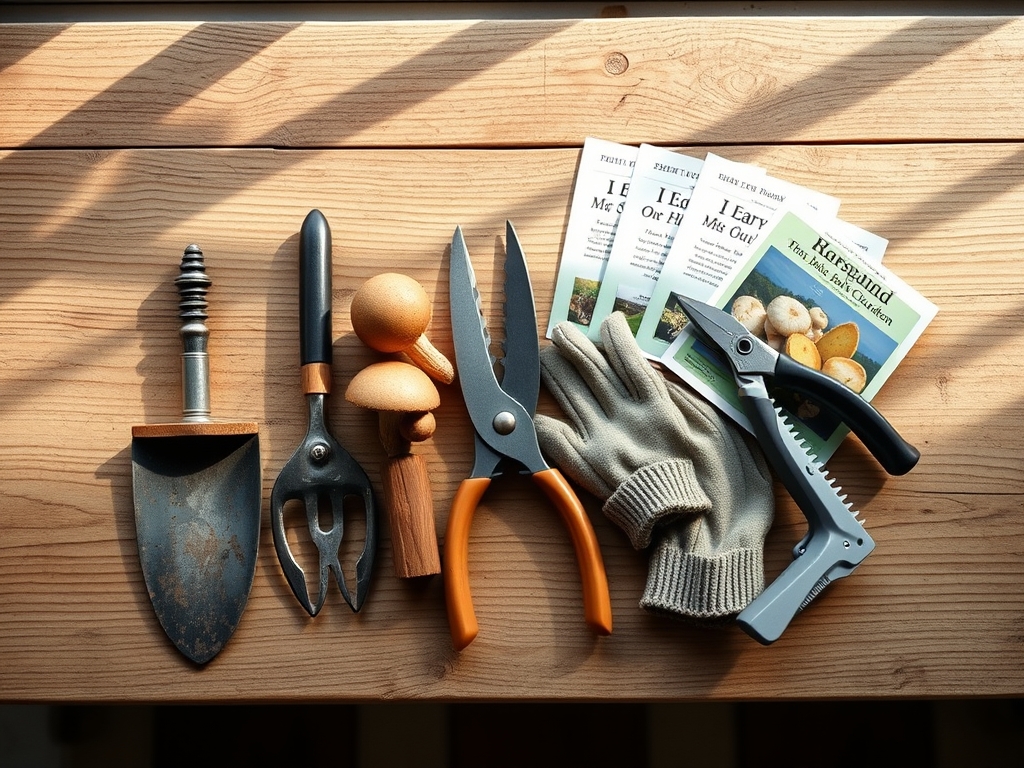
Shiitake mushroom kits arrive as fully colonized substrate blocks, typically sawdust-based with supplemental wheat bran or rice bran at a nutrient ratio approximating 1-0.5-0.5 (N-P-K equivalent, though fungi primarily metabolize carbon rather than mineral nutrients). The substrate pH should measure between 5.0 and 6.5 for optimal mycelial activity. Companion materials include a humidity tent (clear plastic or provided dome), a spray bottle delivering a fine mist (droplet size under 100 microns), and a shallow tray to capture excess moisture.
Additional supplies include a sharp knife for scoring, a room thermometer accurate to ±1°F, and optional perlite or hydrated clay pebbles to maintain passive humidity in the tray base. Unlike vascular plants, shiitake blocks require no fertilizer amendments post-purchase. The mycelium has already converted lignin and cellulose into bioavailable compounds. Substrate blocks lose viability if stored above 75°F or below 40°F for extended periods.
Timing
Shiitake kits thrive in environments mimicking temperate forest conditions during autumn. Indoor cultivation sidesteps hardiness zone constraints, but fruiting triggers depend on temperature cycling. Ideal fruiting occurs when ambient temperatures drop from 70–75°F to 55–60°F, simulating the transition from late summer to fall. This 10–15°F shock induces pinhead formation within 5–7 days.
For outdoor placement in Zones 6–9, position blocks in shaded areas during April–May or September–October. Frost dates matter less than sustained cool periods. Blocks exposed to temperatures below 45°F for more than 48 hours may experience slowed pinning. Conversely, sustained heat above 80°F halts fruiting and encourages contamination by Trichoderma mold. Indoor growers can refrigerate blocks at 45°F for 24 hours to trigger fruiting cycles artificially.
Phases
Initiation (Days 1–3): Remove plastic packaging completely. Submerge the entire substrate block in non-chlorinated water (dechlorinated tap water or collected rainwater) for 12–24 hours. The block absorbs 1–2 pounds of water, rehydrating mycelial networks. After soaking, score the block surface with a sterilized blade in an X-pattern, cutting 1/4 inch deep. This scoring disrupts the surface tension and provides exit points for primordia.
Pro-Tip: Soak water temperature between 55–65°F accelerates pinning compared to room-temperature water. Cold-shock soaking mimics natural rainfall that triggers fruiting in wild populations.
Fruiting (Days 4–10): Place the scored block in the humidity tent. Mist the block surface 3–4 times daily until water beads form but do not pool. Maintain ambient humidity between 80–95% by misting the tent interior, not just the block. Pinheads emerge as tiny brown nodules within 5–7 days. Once pins reach 1/4 inch diameter, reduce misting frequency to twice daily to prevent bacterial soft rot.
Pro-Tip: Position the block 18–24 inches from an east-facing window or under 12 hours of indirect fluorescent light (1,000–1,500 lux). Shiitake mycelium exhibits weak phototropism, guiding mushroom orientation toward light sources.
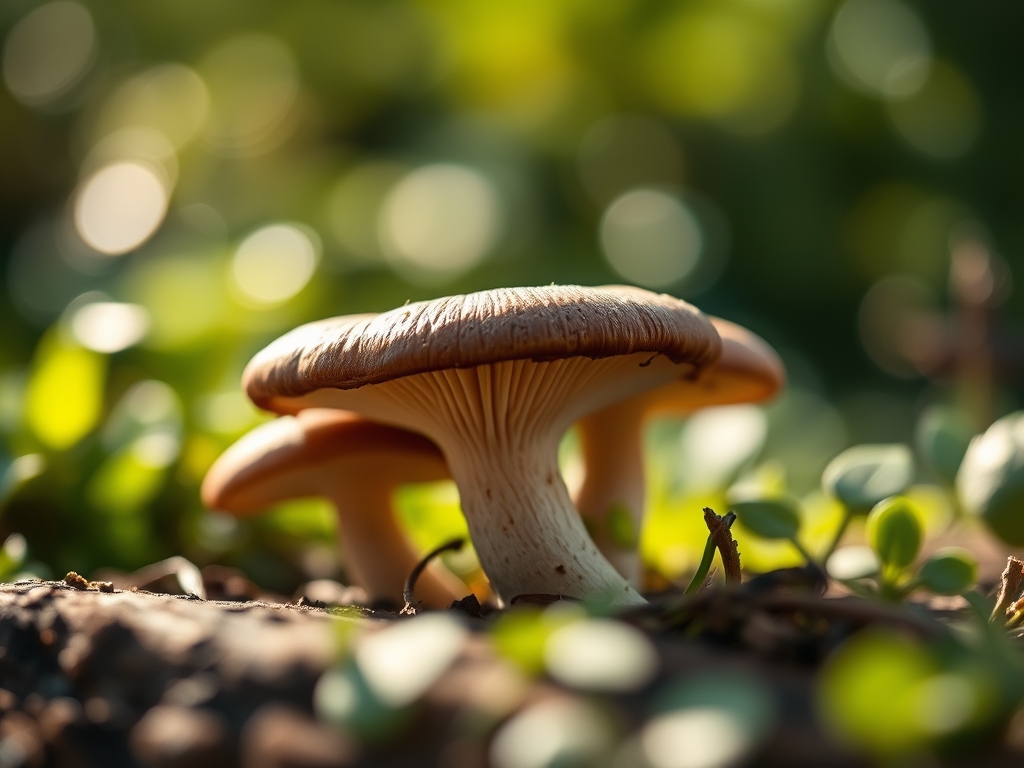
Harvesting (Days 10–14): Harvest when caps reach 2–4 inches in diameter and margins still curl under, before gills fully expose. Twist and pull at the base rather than cutting to avoid leaving stubs that harbor bacteria. A single flush yields 1/4 to 1/3 of the block's dry weight. After harvest, allow the block to rest for 7–10 days without misting. Then repeat the cold-shock soak to initiate a second flush. Blocks produce 2–4 flushes over 8–12 weeks.
Pro-Tip: Harvest in the morning when mushrooms are firmest. Afternoon heat causes caps to soften and spore release accelerates, reducing shelf life.
Troubleshooting
Symptom: Yellow or green mold patches on substrate surface.
Solution: Contamination by Trichoderma or Penicillium indicates excess moisture and poor air exchange. Increase ventilation by opening the humidity tent for 10 minutes every 4 hours. Excise contaminated sections with a sterilized knife and reduce misting to once daily.
Symptom: Mushrooms develop long, thin stems with small caps.
Solution: Insufficient light or excessive CO2 buildup. Increase indirect light exposure to 1,500 lux and fan the tent opening twice daily to refresh air. High CO2 concentrations above 1,000 ppm promote etiolated growth.
Symptom: Pins abort and turn brown before maturing.
Solution: Humidity dropped below 70% during critical pinning phase. Increase misting frequency to 5 times daily and line the tray base with soaked perlite to boost passive humidity. Aborted pins indicate cellular plasmolysis from water stress.
Symptom: Slugs or fungus gnats on block surface.
Solution: Larvae feed on mycelium and degrade block integrity. Remove pests manually and elevate the block on a mesh screen above water to prevent crawling access. Avoid pesticides, which accumulate in mushroom tissue.
Maintenance
Maintain substrate moisture content between 55–65% by weight throughout all flushes. A properly hydrated block feels firm but yields slightly to thumb pressure. Between flushes, store blocks in a breathable produce bag at 50–60°F. Do not refrigerate below 40°F, as cold damage disrupts enzymatic activity.
Water quality matters. Chlorinated municipal water contains 0.5–2.0 ppm chlorine, which inhibits mycelial growth. Let tap water sit uncovered for 24 hours or use a carbon filter. Water pH between 6.0–7.0 prevents substrate alkalinity shifts that favor competitor molds.
After the final flush, spent blocks contribute high-lignin organic matter to compost. Crumble the block and mix it into thermophilic compost piles (130–150°F) to break down residual chitin and recycle nutrients. Composted shiitake substrate raises soil cation exchange capacity by 8–12% and inoculates gardens with beneficial saprophytic fungi.
FAQ
How long does a shiitake kit produce mushrooms?
Kits yield 2–4 flushes over 8–12 weeks. Each flush produces smaller crops. Total output ranges from 1.5–3 pounds per 5-pound block.
Can I grow shiitake kits outdoors?
Yes, place in shaded areas during spring or fall in Zones 6–9. Protect from direct sun and temperatures above 80°F. Outdoor blocks require twice-daily misting.
What temperature kills shiitake mycelium?
Sustained exposure above 90°F denatures fungal enzymes. Brief spikes to 85°F are tolerable. Below 35°F, ice crystal formation ruptures hyphal cells.
Why are my mushrooms tough and rubbery?
Harvested too late, after gills fully opened and spores released. Pick when cap margins curl under. Overexposure to low humidity also causes texture degradation.
Do shiitake kits need fertilizer?
No. The substrate contains pre-digested nutrients. External fertilization disrupts carbon-to-nitrogen ratios and encourages contamination. Mycelium regulates internal auxin distribution without supplementation.