10 Basic Steps to Overwinter Pepper Plants
Pulling a thriving habanero or jalapeño from indoor foliage in February, months after the first frost, demonstrates how strategic preparation transforms annuals into short-lived perennials. Capsicum species evolved in frost-free zones but tolerate indoor dormancy when growers follow precise steps to overwinter pepper plants. The payoff arrives in spring: established root systems that produce fruit six weeks earlier than seed-started competitors. These steps to overwinter pepper plants require planning eight weeks before the first expected frost, converting vulnerable garden specimens into resilient indoor survivors that resume growth at winter's end.
Materials
Successful overwintering depends on substrate chemistry and targeted nutrition. Use potting mix with a pH between 6.0 and 6.8, verified with a soil test probe. Commercial blends containing Canadian sphagnum peat, perlite, and composted pine bark provide adequate cation exchange capacity for nutrient retention during dormancy.
Fertilizer ratios shift from growth formulas to maintenance levels. Apply a 4-4-4 organic meal (derived from feather meal, bone meal, and kelp) at half strength every four weeks during indoor dormancy. This balanced NPK ratio prevents nitrogen-driven vegetative growth while maintaining root metabolism. Alternatively, fish emulsion diluted to 2-3-3 provides micronutrients without overstimulating auxin production in low-light environments.
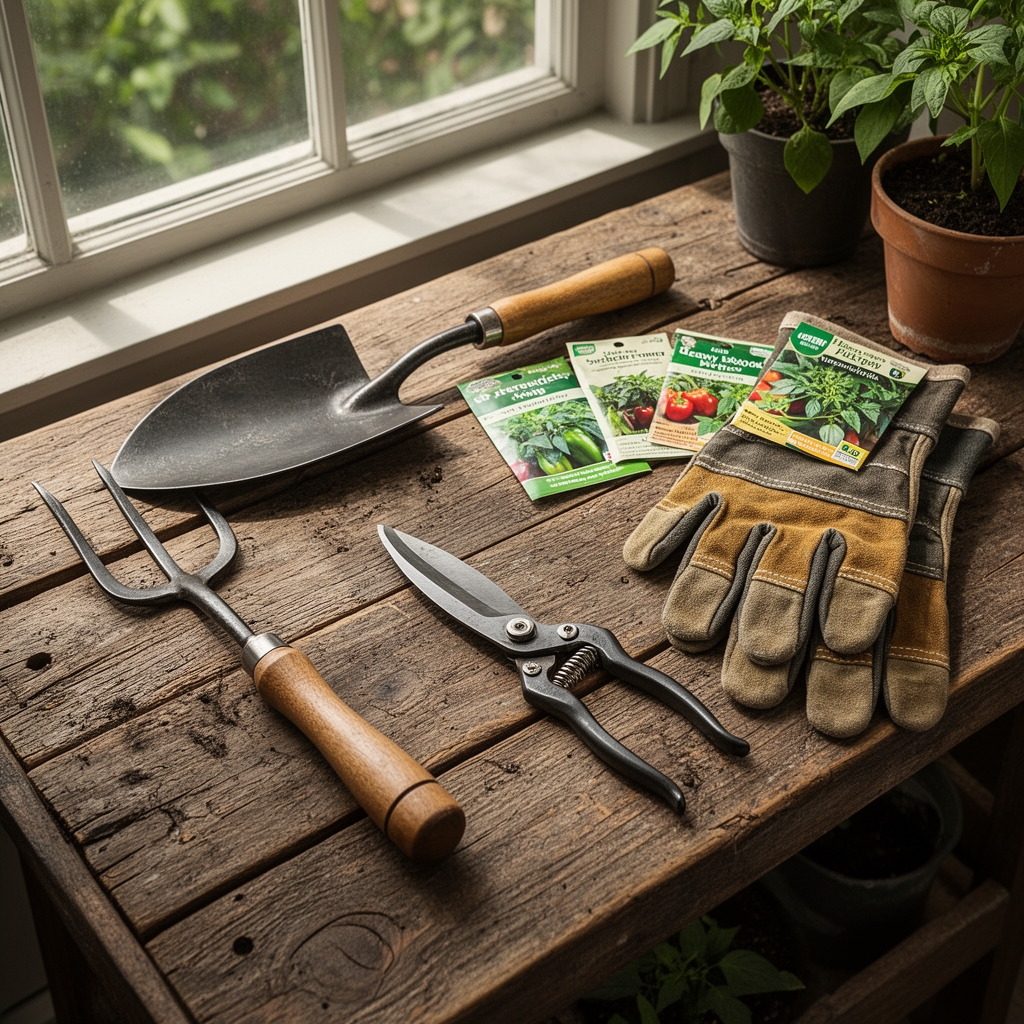
Additional supplies include 8-inch drainage pots, pruning shears sterilized in 10% bleach solution, mycorrhizal inoculant powder containing Glomus intraradices, and a full-spectrum LED fixture delivering 2,000 to 3,000 lumens at canopy level. Isopropyl alcohol at 70% concentration treats tool surfaces between cuts, preventing pathogen transmission.
Timing
Hardiness zones dictate action windows. Zone 7 gardeners begin the transition in late September, while Zone 5 growers start by early September. The critical threshold is eight weeks before the average first frost date. This interval allows plants to acclimate to indoor conditions before entering semi-dormancy.
Monitor nighttime temperatures closely. When consistent readings drop to 50°F, pepper plants experience stress that reduces chlorophyll production. Bring containers indoors before this threshold. In Zones 8 and warmer, overwintering remains optional but extends productive life in greenhouse settings.
Spring reintroduction follows the inverse calendar. Move plants outdoors after soil temperatures stabilize above 60°F and nighttime air remains above 50°F. A two-week hardening period in dappled shade prevents sunscald on tender leaves acclimated to indoor light levels.
Phases
Selection Phase
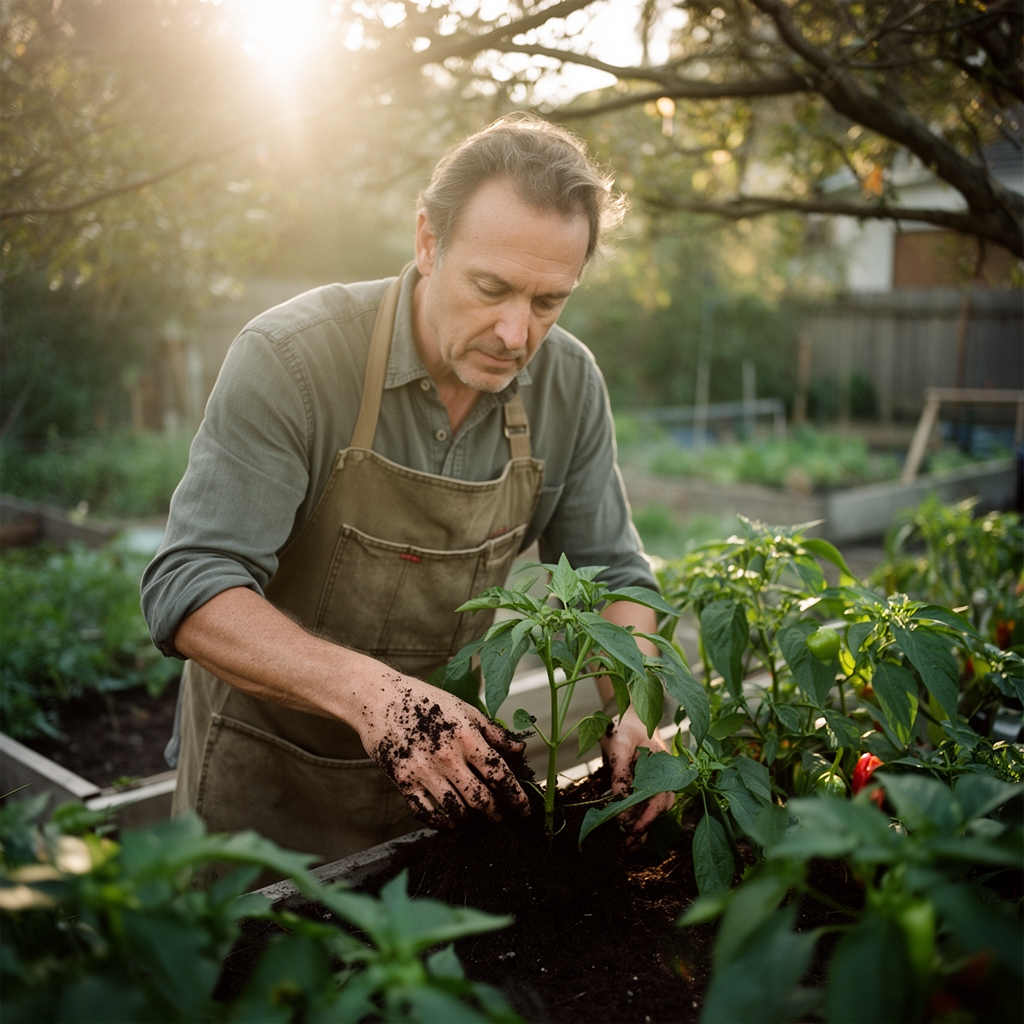
Identify productive specimens with strong lateral branching and no visible anthracnose or bacterial spot lesions. Younger plants (under two years old) adapt better than woody, established crowns. Inspect leaf axils for aphid colonies and undersides for whitefly nymphs before bringing plants indoors.
Pro-Tip: Apply mycorrhizal inoculant directly to root zones during transplant. Dust exposed roots with 1 teaspoon of spore powder to colonize within three weeks, improving phosphorus uptake during dormancy.
Transition Phase
Prune aggressively. Remove 60% of canopy height using cuts angled at 45 degrees, positioned 1/4 inch above leaf nodes. This reduces transpiration demand and redirects energy to root maintenance. Strip all remaining fruit and flowers, as seed production depletes carbohydrate reserves needed for winter survival.
Drench root zones with water until drainage flows freely, then transplant into prepared pots. Firm soil gently around the root ball without compacting. Position plants in south-facing windows or under grow lights for 10 to 12 hours daily.
Pro-Tip: Water with diluted chamomile tea (one bag per quart of water, steeped and cooled) during the first week. The mild antifungal properties suppress damping-off organisms in disturbed substrate.
Dormancy Phase
Reduce watering frequency to every 10 to 14 days. Soil should dry to a depth of 2 inches between irrigations. Overwatering during dormancy causes root rot, signaled by yellowing lower leaves and stem discoloration.
Maintain ambient temperatures between 55°F and 65°F. Higher temperatures trigger unwanted vegetative growth under insufficient light. Lower temperatures slow metabolism excessively, risking cold damage to vascular tissue.
Pro-Tip: Rotate pots 90 degrees weekly to ensure even light distribution. Auxin accumulates on shaded sides, causing asymmetric growth that weakens structure.
Troubleshooting
Symptom: Leaf drop exceeding 40% within two weeks of transition.
Solution: Indicates transplant shock combined with humidity drop. Mist foliage daily until new leaf buds emerge. Ensure substrate remains evenly moist, not saturated.
Symptom: White cottony masses on stem joints.
Solution: Mealybug infestation. Swab insects with cotton dipped in isopropyl alcohol. Repeat every three days for two weeks. Isolate affected plants immediately.
Symptom: Brown, crispy leaf margins with green veins intact.
Solution: Calcium deficiency or salt accumulation. Flush pots with distilled water equal to twice container volume. Resume feeding with calcium nitrate solution at 200 ppm concentration.
Symptom: Stretched, pale stems with increased internode spacing.
Solution: Insufficient light intensity. Reduce distance between foliage and LED fixture to 8 inches. Supplement with reflective surfaces to increase photon capture.
Maintenance
Water plants with 1/2 cup per 8-inch pot when the top 2 inches of substrate feel dry to touch. Use room-temperature water to avoid shocking root hairs. Empty drainage trays within 30 minutes to prevent anaerobic conditions.
Fertilize every four weeks with the 4-4-4 organic meal at 1 tablespoon per gallon of water. Skip feeding if new growth appears leggy or excessively soft. Resume normal feeding schedules in March when day length exceeds 12 hours.
Inspect plants weekly for pest activity. Focus on leaf undersides and stem crotches where aphids cluster. Remove debris from soil surface to eliminate fungus gnat breeding sites.
FAQ
How long can peppers survive indoors?
Capsicum annuum varieties live three to five years under optimal conditions. Productivity declines after year two, but established plants fruit earlier than first-year seedlings.
Do overwintered peppers need pollination indoors?
Most pepper flowers self-pollinate. Gently shake stems when blooms appear, or use a small brush to transfer pollen between flowers if fruit set seems poor.
What causes sudden wilting despite moist soil?
Phytophthora root rot or vascular wilt diseases. Check for brown discoloration in stem cross-sections. Discard infected plants and sterilize containers before reuse.
Can I overwinter peppers in unheated garages?
Only if temperatures remain above 45°F consistently. Below this threshold, cellular damage occurs. Insulate containers and provide supplemental heat during cold snaps.
When should I resume regular fertilization?
Begin monthly feeding with balanced 10-10-10 liquid fertilizer in late February or when new leaf growth reaches 2 inches in length. Increase frequency to biweekly once plants move outdoors permanently.