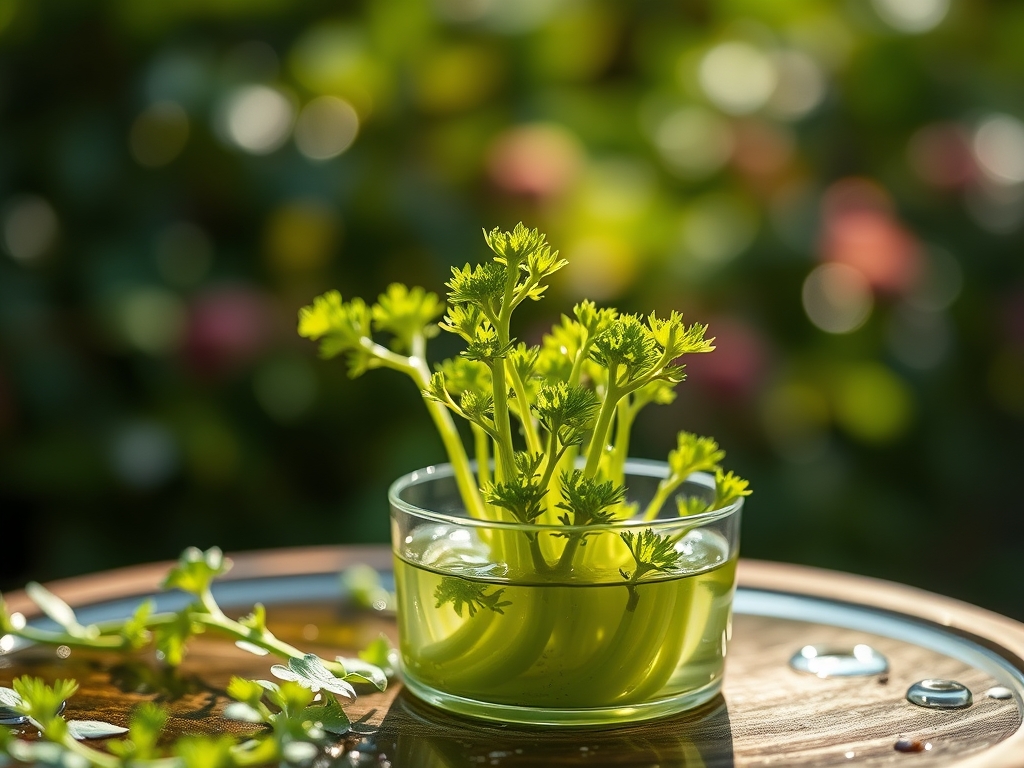
6 Simple Steps to Regrow Celery in Water
Turgor pressure dictates the structural integrity of the Apium graveolens stalk. When you snap a fresh rib, the audible crack signifies a cell wall under high internal osmotic pressure. This process begins with a simple salvage operation. By mastering the steps to regrow celery in water, you bypass the erratic germination rates of celery seeds, which often require 21 days just to break dormancy. You are not merely recycling kitchen scraps; you are manipulating the plant's meristematic tissue to initiate adventitious root growth. This method relies on the plant's innate ability to redirect auxins to the basal plate. Success requires precise control over moisture, light intensity, and nutrient availability. A discarded base, typically two inches in length, contains the necessary vascular bundles to support new vegetative growth. Within seven days, the central heart will begin to elongate, signaling the transition from a dormant waste product to an active horticultural specimen. This technical approach ensures a consistent supply of aromatics while providing a controlled environment for studying the rhizosphere in a domestic setting.
Materials:
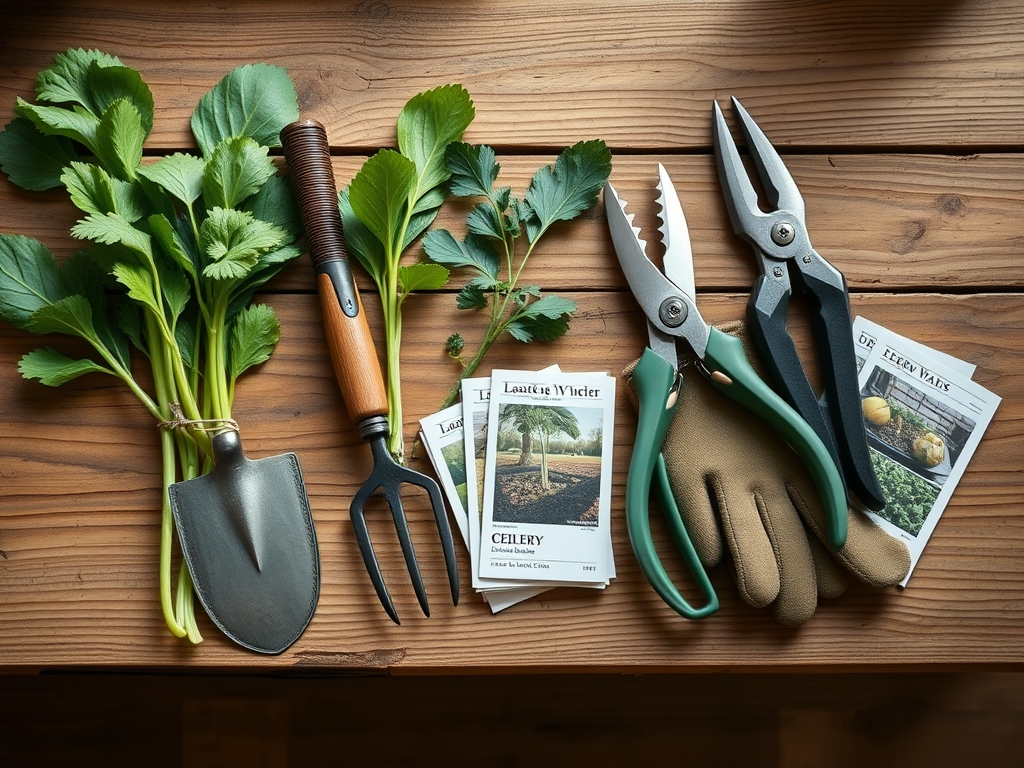
Regrowing celery begins in a liquid medium, but the ultimate goal is a transition to a **friable loam** with a **pH between 6.0 and 6.8**. Celery is a heavy feeder with a low Cation Exchange Capacity (CEC) tolerance; it requires a substrate that can hold onto positively charged ions like Calcium and Magnesium.
- Substrate: A mixture of 60% peat or coconut coir, 30% perlite for aeration, and 10% vermicompost.
- Nutrients: For the initial water phase, use a diluted hydroponic solution. For the soil phase, apply a 5-10-10 NPK ratio. High phosphorus (the middle number) encourages robust root architecture, while potassium regulates the opening and closing of stomata.
- Vessel: A shallow glass container for the water phase; a pot with at least 8 inches of depth for the soil phase.
- Water: Filtered water at 65 to 70 degrees Fahrenheit to avoid thermal shock to the basal plate.
Timing:
Celery is a biennial plant grown as an annual. It thrives in USDA Hardiness Zones 2 through 10, provided the temperature remains between 60 and 70 degrees Fahrenheit. The biological clock of celery is sensitive to vernalization. If the plant experiences more than 10 days of temperatures below 50 degrees Fahrenheit, it may "bolt," transitioning from the vegetative stage to the reproductive stage. This results in a bitter, woody stalk as the plant redirects energy to seed production. Initiate your regrowth indoors to maintain a controlled photoperiod of 12 to 16 hours of light. This ensures the plant remains in the vegetative phase, focusing all metabolic energy on leaf and stalk development rather than flower induction.
Phases:

Sowing the Base
Cut the celery base 2 inches from the bottom. Use a sharp, sterilized blade to ensure a clean cut through the vascular tissue. Place the base in a shallow dish with 1 inch of water. The water should only cover the bottom third of the base to prevent anaerobic conditions and subsequent rot.
Pro-Tip: Change the water every 24 hours to maintain high dissolved oxygen levels. This prevents the buildup of pathogens and supports aerobic respiration at the cellular level.
Transplanting to Soil
Once the central stalks reach 3 inches in height and small white adventitious roots emerge from the basal plate, it is time to move to a solid medium. Dig a hole in your prepared friable loam and bury the base so only the new green growth is visible above the soil line.
Pro-Tip: During transplant, avoid touching the new root tips. These contain the root apical meristem, where primary growth occurs. Damaging this area can stunt the plant permanently.
Establishing the Root System
Maintain consistent moisture during the first 14 days post-transplant. The plant is establishing a mycorrhizal symbiosis if your soil contains beneficial fungi. This relationship allows the plant to access phosphorus and micronutrients more efficiently than it could through its root hairs alone.
Pro-Tip: Use a liquid seaweed extract during the first watering. This provides cytokinins, plant hormones that promote cell division and help the plant overcome transplant shock.
The Clinic:
Physiological disorders in celery often stem from water stress or nutrient imbalances. Observe the plant daily for these specific indicators.
- Symptom: Black Heart (darkening of the innermost leaves).
- Solution: This is a Calcium deficiency, often caused by inconsistent watering rather than a lack of Calcium in the soil. Maintain a steady moisture level to ensure Calcium moves through the xylem.
- Symptom: Hollow Stalks (pithiness).
- Solution: This indicates a Boron deficiency or rapid growth followed by a dry spell. Apply a micronutrient spray or ensure the soil pH is not too high, which locks out Boron.
- Symptom: Yellowing of older leaves (Chlorosis).
- Solution: This is a Nitrogen deficiency. Apply a high-nitrogen organic fertilizer, such as blood meal, to restore chlorophyll production.
- Fix-It: If you notice stunted growth and purple-tinted leaves, the plant is likely suffering from Phosphorus lockout due to soil temperatures below 55 degrees Fahrenheit. Move the container to a warmer location.
Maintenance:
Celery has a shallow root system and requires 1.5 inches of water per week delivered directly to the drip line. Use a soil moisture meter to ensure the substrate remains at a "moist" reading (level 4-7) without becoming waterlogged. For precise cultivation, use a hori-hori knife to weed around the base, taking care not to disturb the lateral roots. If the stalks begin to splay, use garden twine to loosely gather them; this mimics the "blanching" process used by commercial growers to keep the stalks pale and tender by limiting light exposure to the inner ribs. Use bypass pruners to remove any yellowing outer leaves to prevent the spread of fungal spores and to redirect energy to the center of the plant.
The Yield:
Harvesting can begin when the stalks reach 6 to 8 inches in height. You do not need to harvest the entire plant at once. Use a sharp knife to cut individual outer stalks at the soil line, allowing the inner heart to continue growing. This "cut and come again" method extends the harvest for several weeks. To maintain "day-one" freshness, submerge the harvested stalks in an ice-water bath for 30 minutes. This maximizes turgor pressure before refrigeration. Store the stalks in a sealed container or wrapped in foil to prevent the loss of moisture through transpiration.
FAQ:
How long does it take to regrow celery in water?
The initial water phase takes 7 to 10 days for new growth to appear. A full harvestable stalk typically requires 3 to 4 months after the plant is successfully transitioned into a nutrient-rich soil medium.
Why is my regrown celery bitter?
Bitterness is caused by heat stress or a lack of consistent moisture. High temperatures and dry soil increase the concentration of defensive compounds in the stalks. Ensure the plant stays cool and receives 1.5 inches of water weekly.
Can I grow celery in water forever?
No. Water lacks the necessary Cation Exchange Capacity and micronutrients like Boron and Calcium required for long-term development. Without transitioning to soil or a complete hydroponic nutrient solution, the plant will eventually suffer from nutrient chlorosis and die.
Does regrown celery need direct sunlight?
Celery requires 6 to 8 hours of bright light. However, intense afternoon sun can cause wilting. Use filtered light or a grow lamp to maintain a consistent photoperiod without the risk of thermal stress to the foliage.