5 Best Herbs for Spiral Gardens
Damp earth emits a sharp, metallic scent as the sun warms the stone perimeter of a newly constructed herb spiral. This structure is a masterpiece of vertical drainage and microclimate manipulation. You are not just planting a garden; you are engineering a gradient of moisture and temperature. The turgor pressure in a healthy seedling is the first metric of success. When the stem is rigid and the leaves are turgid, the vascular system is functioning at peak efficiency. Selecting the best herbs for spiral gardens requires an understanding of how gravity affects water potential. The top of the spiral remains arid and hot, while the base collects runoff to create a cool, hydric zone. By matching plant physiology to these specific niches, you maximize the metabolic rate of your herb collection. Successful cultivation depends on the precise placement of Mediterranean woody perennials at the peak and moisture-loving soft-stemmed varieties at the foundation. This guide provides the technical specifications required to master this three dimensional growing space.
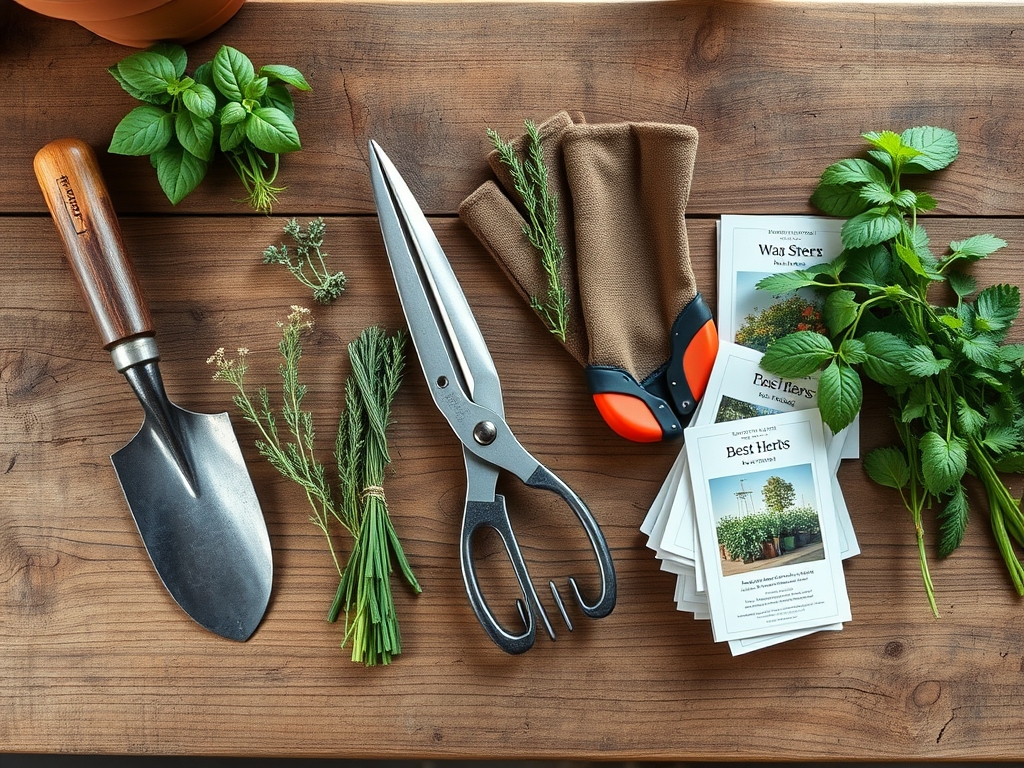
Materials:
The substrate must be a **friable loam** with a high **Cation Exchange Capacity (CEC)** to ensure nutrient availability. The ideal soil structure consists of 40 percent sand, 40 percent silt, and 20 percent clay. This balance prevents compaction while maintaining enough surface area for ion exchange.
For the top tier, use a mix with a pH of 6.5 to 7.5. Incorporate a low-nitrogen fertilizer with an NPK ratio of 5-10-10. Excessive nitrogen at the peak of the spiral leads to weak, succulent growth that is susceptible to desiccation. The middle and lower tiers require a slightly more acidic profile, approximately pH 6.0 to 6.8, and a balanced NPK ratio of 10-10-10. Ensure the presence of organic matter to support the rhizosphere, the area of soil immediately surrounding the roots where chemistry and biology interact.
Timing:
Most herbs thrive in Hardiness Zones 4 through 9, though specific timing depends on the local frost-free window. The biological clock of an herb is governed by the photoperiod, the length of daylight received. For cool-season herbs like cilantro, planting must occur when soil temperatures reach 50 degrees Fahrenheit. Warm-season perennials like rosemary require a soil temperature of at least 65 degrees Fahrenheit to avoid root shock.
Monitor the transition from the vegetative stage to the reproductive stage. As day length increases, many herbs will attempt to bolt. This process shifts the plant's energy from leaf production to seed production, often resulting in a bitter chemical profile. To delay senescence, or the aging process, you must manage harvest times to keep the plant in a perpetual vegetative state.
Phases:
Sowing
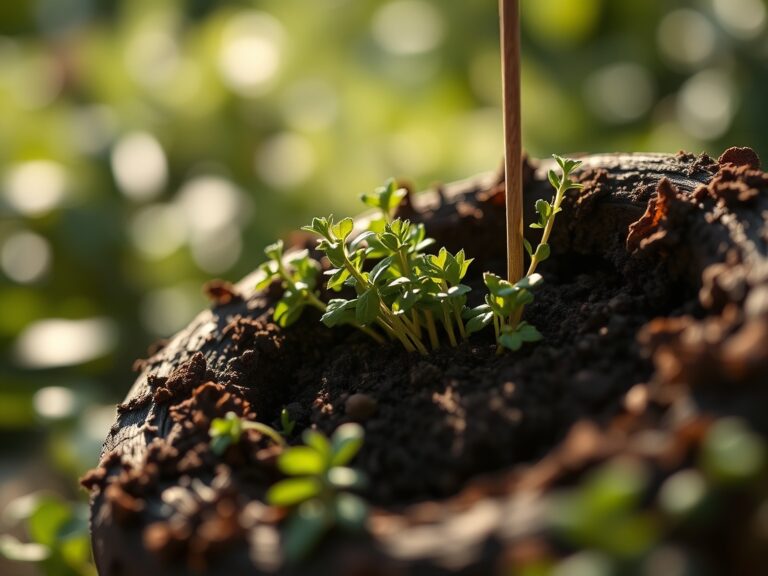
Direct sow seeds at a depth of two times the seed diameter. For the best herbs for spiral gardens, such as thyme and oregano, light-dependent germination is common. These seeds should be pressed into the surface but not buried. Maintain a consistent moisture level until the first true leaves emerge.
Pro-Tip: Utilize mycorrhizal symbiosis by inoculating the soil with beneficial fungi. These organisms extend the root system's reach, increasing the uptake of phosphorus and water by up to 200 percent.
Transplanting
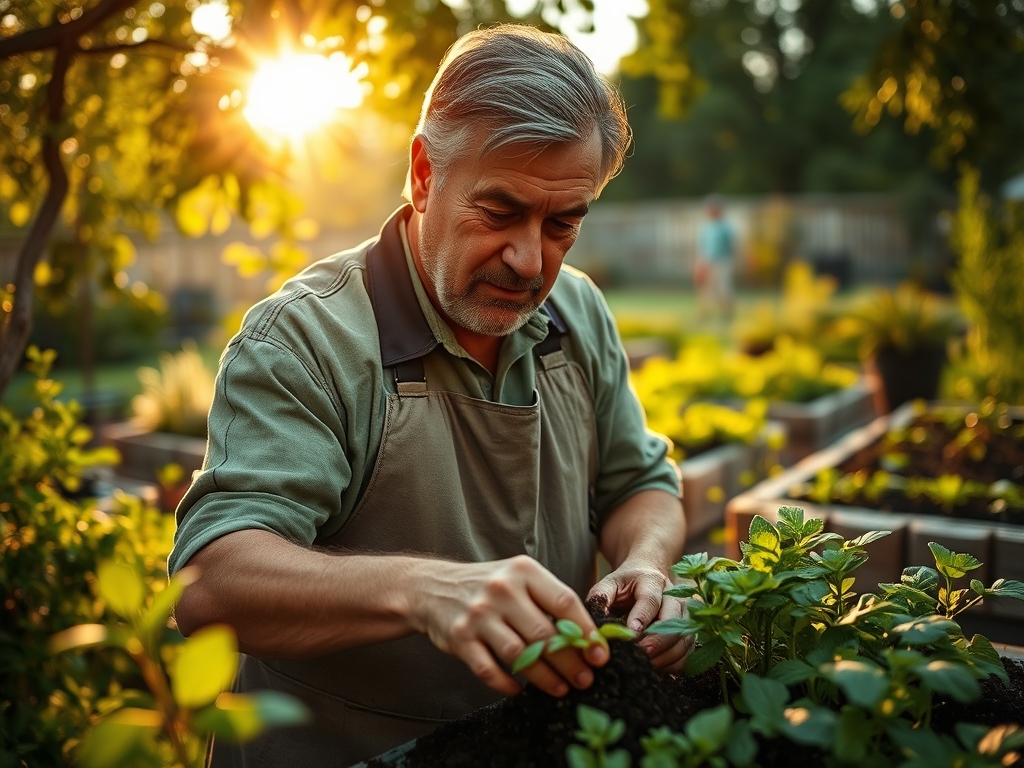
When moving seedlings from a nursery tray to the spiral, ensure the root ball is not "pot-bound." Use a hori-hori knife to gently tease the roots outward. Dig a hole twice the width of the root ball. Place Rosemary or Lavender at the highest point of the spiral to ensure maximum drainage and solar exposure.
Pro-Tip: Avoid transplant shock by maintaining turgor pressure. Water the plants two hours before moving them to ensure the cells are fully hydrated, which prevents vascular collapse during the transition.
Establishing
The establishment phase lasts approximately 21 to 30 days. During this window, the plant focuses on root architecture rather than canopy growth. Monitor the soil moisture at a depth of 3 inches using a soil moisture meter.
Pro-Tip: Practice auxin suppression by pinching off the terminal buds of young basil or mint plants. This redirects growth hormones to the lateral buds, resulting in a bushier, more productive plant architecture.
The Clinic:
Physiological disorders often manifest as visual cues in the foliage. Diagnosis requires a systematic approach to soil chemistry and environmental stress.
- Nitrogen Chlorosis: Symptoms include the yellowing of older leaves while the veins remain green. Solution: Apply a liquid seaweed extract or fish emulsion to provide immediate bioavailable nitrogen.
- Iron Deficiency: New growth appears pale yellow or white. This usually occurs when the pH exceeds 7.5, locking out iron. Fix-It: Lower the pH with elemental sulfur or apply chelated iron.
- Root Rot (Phytophthora): Symptoms include wilting despite wet soil and a foul odor from the root zone. Solution: Improve drainage by adding perlite or coarse sand to the affected tier and reduce irrigation frequency.
- Tip Burn: This is often caused by calcium deficiency or inconsistent watering. Ensure the plant receives at least 1.5 inches of water per week to facilitate calcium transport through the xylem.
Maintenance:
Precision is the hallmark of a master horticulturist. Use bypass pruners for clean cuts that minimize tissue damage and prevent the entry of pathogens. For woody herbs at the top of the spiral, prune back one third of the previous year's growth in early spring to stimulate new wood.
Watering must be targeted. Apply water at the drip line, the outermost circumference of the plant's canopy, rather than at the base of the stem. This encourages the roots to grow outward, increasing the plant's stability and nutrient access. Use a soil moisture meter daily during the first growing season. If the meter reads below 30 percent at a depth of 4 inches, initiate a deep watering cycle. Mulch the lower tiers with 2 inches of organic straw to suppress weeds and maintain soil moisture, but leave the top tiers bare or covered in gravel to reflect heat toward the Mediterranean varieties.
The Yield:
Harvesting is a surgical process. For leafy herbs like basil and parsley, harvest in the early morning after the dew has evaporated but before the sun reaches its zenith. This is when the concentration of essential oils is at its peak. Never remove more than 30 percent of the plant's biomass at one time; exceeding this threshold can trigger a stress response that stunts future growth.
Post-harvest handling is critical for maintaining "day-one" freshness. Immediately submerge the cut stems in cool water or wrap the herbs in a damp paper towel and refrigerate at 40 degrees Fahrenheit. For woody herbs like rosemary, use the hori-hori knife to take 4 inch cuttings from the soft, green tips rather than the old, woody base. This ensures the highest flavor profile and allows the plant to heal quickly.
FAQ:
Which herbs are best for the top of a spiral?
Rosemary, lavender, and thyme are ideal. These species require the rapid drainage and high solar radiation found at the spiral's peak. Their Mediterranean origins make them drought-tolerant and resistant to the heat-island effect of the stone structure.
How much water does a herb spiral need?
Target 1.5 inches of water per week at the drip line. Use a soil moisture meter to ensure the bottom tiers remain moist while the top tiers dry out between cycles. This creates the necessary moisture gradient for diverse species.
What is the best soil for an herb spiral?
A friable loam with a pH between 6.0 and 7.5 is best. The soil must have a high Cation Exchange Capacity (CEC) to hold nutrients. Mix in organic compost to support the rhizosphere and improve overall soil structure.
When should I prune my spiral herbs?
Prune in early spring to remove dead wood and stimulate new growth. During the growing season, use auxin suppression by pinching terminal buds. This prevents bolting and encourages a bushier habit, which maximizes the limited footprint of the spiral.