9 Efficient Ways How to Design a Herb Spiral
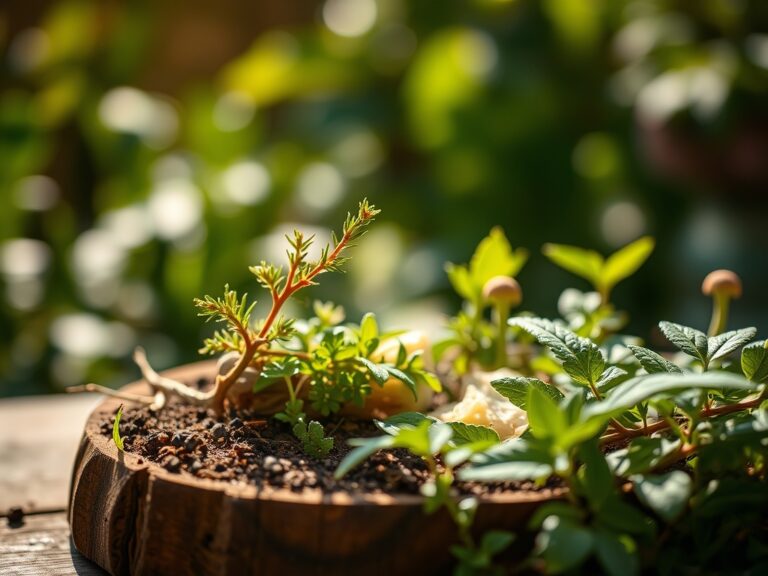
Crushing a sun-warmed leaf of Rosmarinus officinalis between your thumb and forefinger releases volatile oils that signal a plant in peak metabolic health. High turgor pressure within the cellular walls ensures the foliage remains rigid and productive. To achieve this level of physiological vigor in a small footprint, you must understand how to design a herb spiral using verticality and microclimates. This three-dimensional structure maximizes edge effects and creates a drainage gradient that satisfies diverse botanical requirements within a two-meter diameter.
Materials:
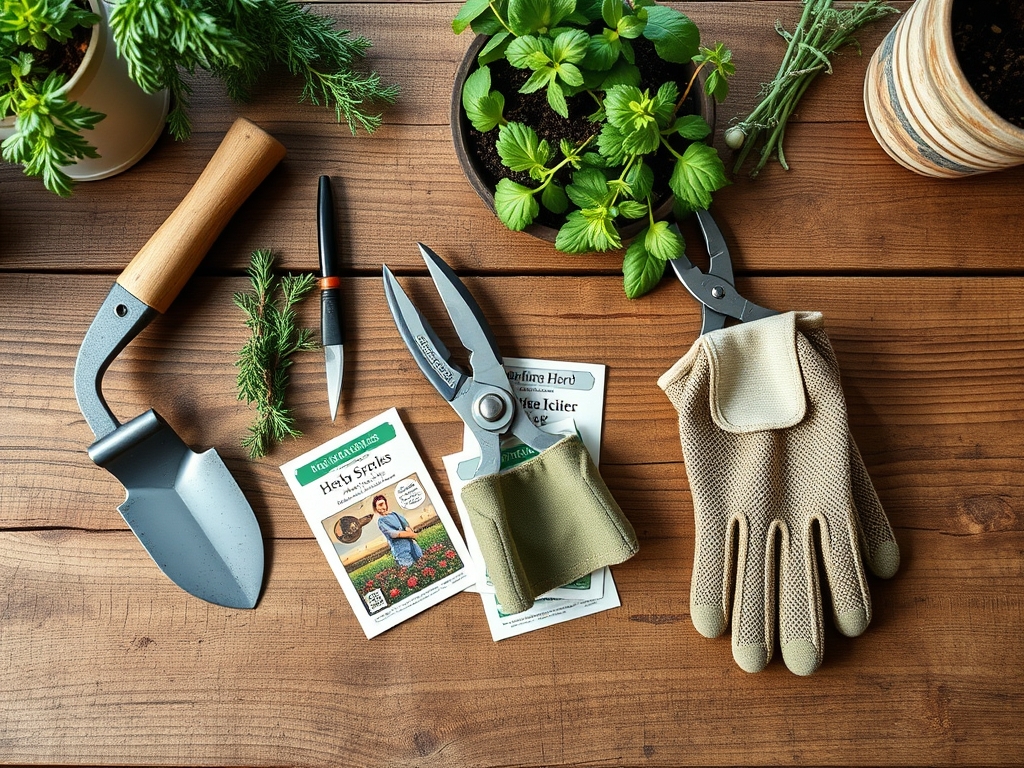
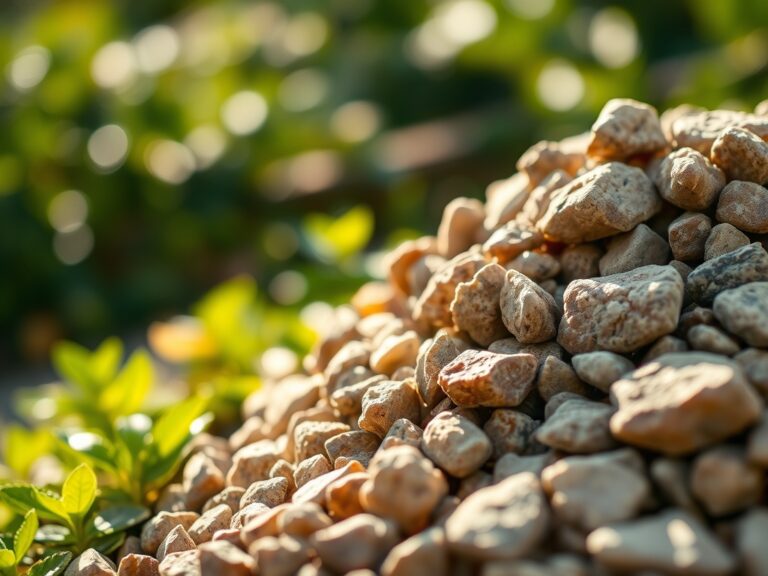
The foundation of a successful spiral rests on the Cation Exchange Capacity (CEC) of the growing medium. You require a **friable loam** with a granular structure that prevents compaction. For the base layer, utilize coarse basalt or limestone rocks to provide thermal mass.
The substrate must be stratified. The bottom tier requires a moisture-retentive mix with a pH of 6.0 to 7.0 and an NPK ratio of 5-10-10 to support root development in moisture-loving species. The upper tiers demand a gritty, well-draining medium with an NPK ratio of 10-10-10 or lower, as Mediterranean herbs prefer lean soils. Incorporate 20% perlite or coarse sand in the top 18 inches to increase oxygen diffusion to the rhizosphere. Avoid heavy clays that suffocate roots and lead to anaerobic conditions.
Timing:
Construction should commence approximately six weeks before the median last frost date in your specific Hardiness Zone. In Zones 7 through 9, this typically falls in late February or early March. This timing allows the soil to settle and the thermal mass of the stones to begin absorbing solar radiation, which warms the soil profile faster than flat ground.
The biological clock of your herbs is governed by the photoperiod. Most culinary herbs transition from vegetative growth to reproductive senescence (bolting) when daylight exceeds 14 hours and soil temperatures surpass 75 degrees Fahrenheit. By installing the spiral in early spring, you allow the root systems to establish before the plant allocates energy toward flower production.
Phases:
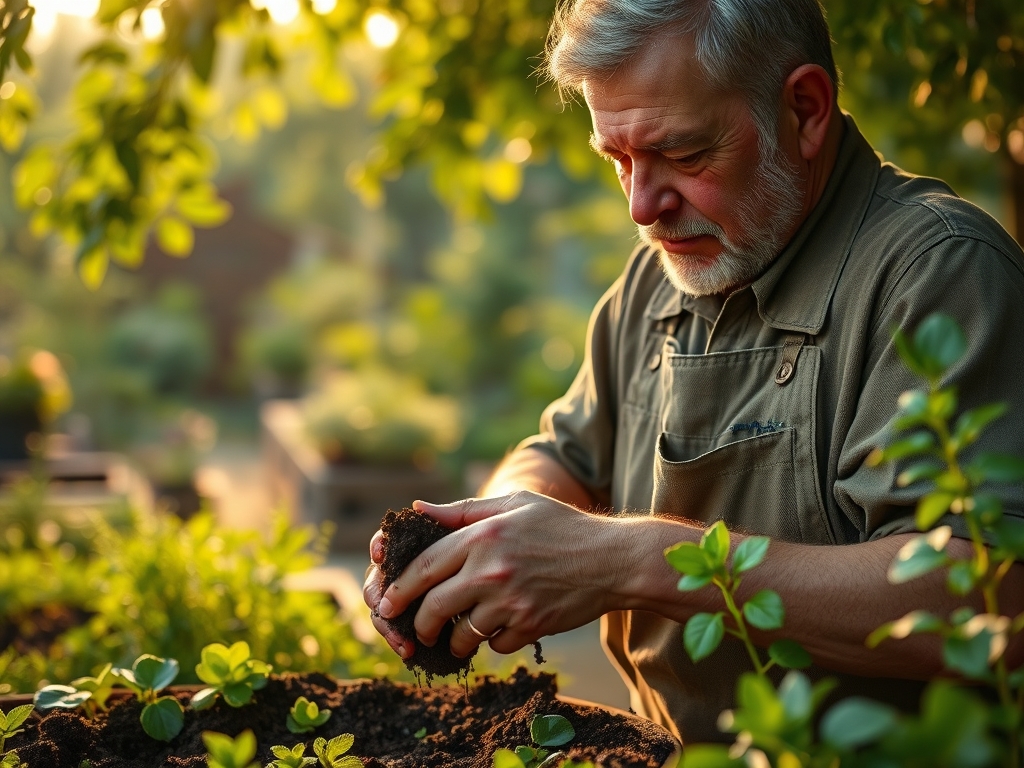
Sowing
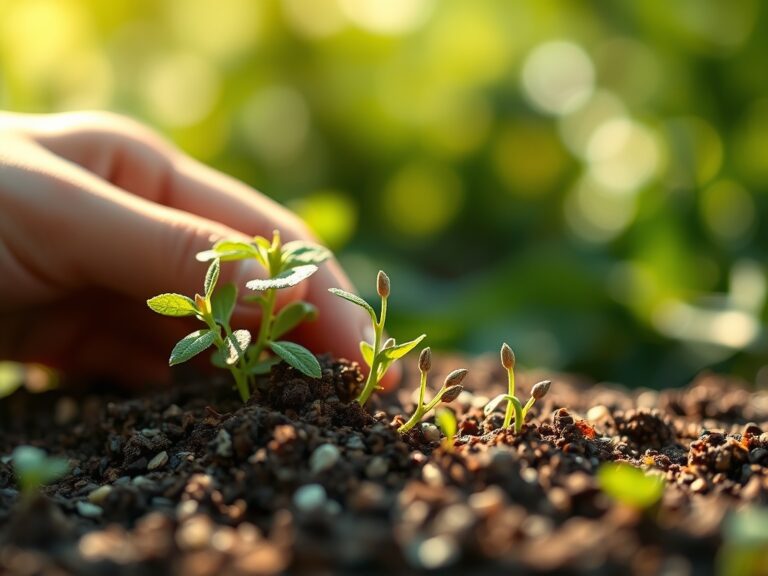
Direct sow cold-hardy annuals like Coriandrum sativum (cilantro) at the base of the spiral where moisture levels are highest. Plant seeds at a depth three times their diameter. Maintain a consistent soil temperature of 65 degrees Fahrenheit for optimal germination rates.
Pro-Tip: Ensure seed-to-soil contact is firm to facilitate imbibition. This is the biological process where the seed coat absorbs water, triggering the metabolic activation of the embryo.
Transplanting
When moving nursery starts into the spiral, use a hori-hori knife to slice any circling roots. This prevents "girdling," which can restrict vascular flow as the plant matures. Place drought-tolerant species like Thymus or Lavandula at the apex.
Pro-Tip: Transplant during late afternoon to minimize transplant shock. This reduces the transpiration rate, allowing the plant to maintain turgor pressure while the roots begin to interface with the new soil biology.
Establishing
During the first 21 days, the plants focus on subterranean expansion. Mycorrhizal fungi should be introduced to the soil to enhance nutrient uptake. Monitor the moisture levels at a depth of 4 inches using a digital probe.
Pro-Tip: Avoid heavy nitrogen fertilization during this phase to prevent excessive apical dominance. This encourages the plant to develop a robust lateral root system rather than leggy, weak surface growth.
The Clinic:
Physiological disorders in a herb spiral often stem from improper placement within the drainage gradient.
Symptom: Interveinal chlorosis (yellowing between leaf veins) on new growth.
Solution: This indicates a Manganese or Iron deficiency, often caused by a pH above 7.5. Lower the pH by adding elemental sulfur to the specific pocket.
Symptom: Marginal leaf burn or wilting despite moist soil.
Solution: This is likely Soluble Salt Injury. Flush the soil with 2 gallons of water per square foot to leach excess salts from the root zone.
Symptom: Soft, blackened stems at the soil line (Damping off).
Solution: This is a fungal pathogen resulting from poor air circulation. Increase spacing and reduce irrigation frequency to allow the top 1 inch of soil to dry.
Fix-It for Nitrogen Chlorosis: If older leaves turn pale yellow, apply a liquid kelp emulsion with a 5-1-1 NPK ratio to provide immediate bioavailable nitrogen.
Maintenance:
Precision is required to maintain the productivity of a high-density spiral. Provide 1.5 inches of water per week at the drip line, rather than the crown, to prevent fungal pathogens. Use a soil moisture meter daily during the first summer to map the moisture gradient from the dry apex to the damp base.
Pruning is essential for maintaining airflow. Use bypass pruners to remove no more than one-third of the plant's biomass at a time. This prevents the plant from entering a state of shock and maintains the balance between root mass and leaf area. Remove any necrotic tissue immediately to prevent the harbor of pests.
The Yield:
Harvesting should occur in the early morning after the dew has evaporated but before the sun reaches its zenith. This is when the concentration of essential oils is at its peak. For woody herbs like Rosemary, harvest the top 2 to 3 inches of new growth. For leafy annuals like Basil, cut just above a node to stimulate axillary bud growth.
Post-harvest, submerge the stems in 40-degree Fahrenheit water for thirty seconds to remove field heat. This slows the respiration rate and preserves the volatile aromatic compounds for "day-one" freshness. Store in a high-humidity environment or a sealed container to prevent desiccation.
FAQ:
What is the ideal diameter for a herb spiral?
The standard diameter is 2 meters (6.6 feet). This size allows the gardener to reach the center from any side without stepping on the soil, preventing compaction of the rhizosphere and maintaining soil porosity.
Which herbs go at the top of the spiral?
Place Mediterranean species such as Rosemary, Thyme, and Oregano at the apex. These plants require rapid drainage and benefit from the increased solar radiation and thermal mass of the stones at the highest point.
How do I prevent the spiral from collapsing?
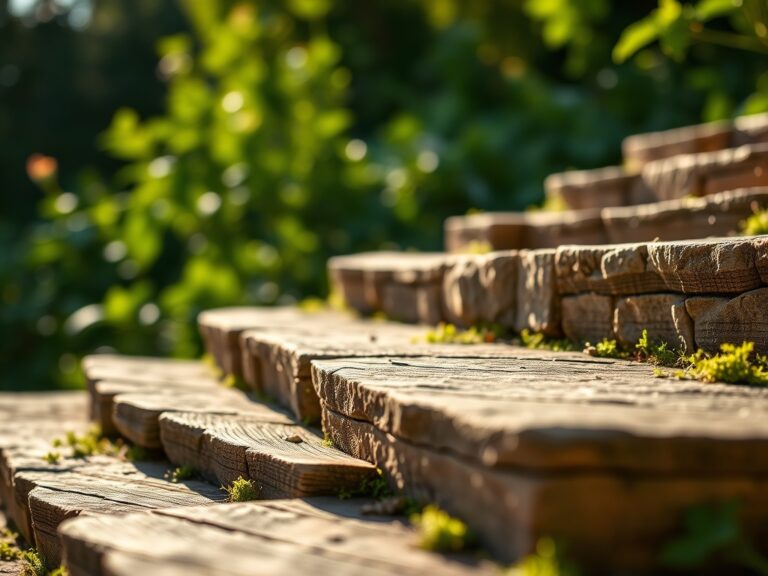
Use a slight inward batter (tilt) when stacking stones or bricks. For every foot of height, the wall should lean inward by 1 inch. This uses gravity to stabilize the structure against internal soil pressure.
Can I build a spiral in the shade?
Most culinary herbs require at least 6 hours of direct sunlight. If your site is shaded, focus on shade-tolerant species like Mint, Chervil, and Lemon Balm, and use lighter-colored stones to reflect available light.