5 Detailed Ways How to Build a Garden Pond
The smell of damp, anaerobic mud and the crisp turgor of a water lily pad define the success of an aquatic ecosystem. When you learn how to build a garden pond, you are not merely digging a hole; you are engineering a closed-loop biological reactor. A functional pond requires precise calculations of volume, surface area, and gas exchange to maintain water clarity and plant health. Success begins with understanding the hydraulic pressure of the surrounding soil and the chemical composition of the water column.
Materials:
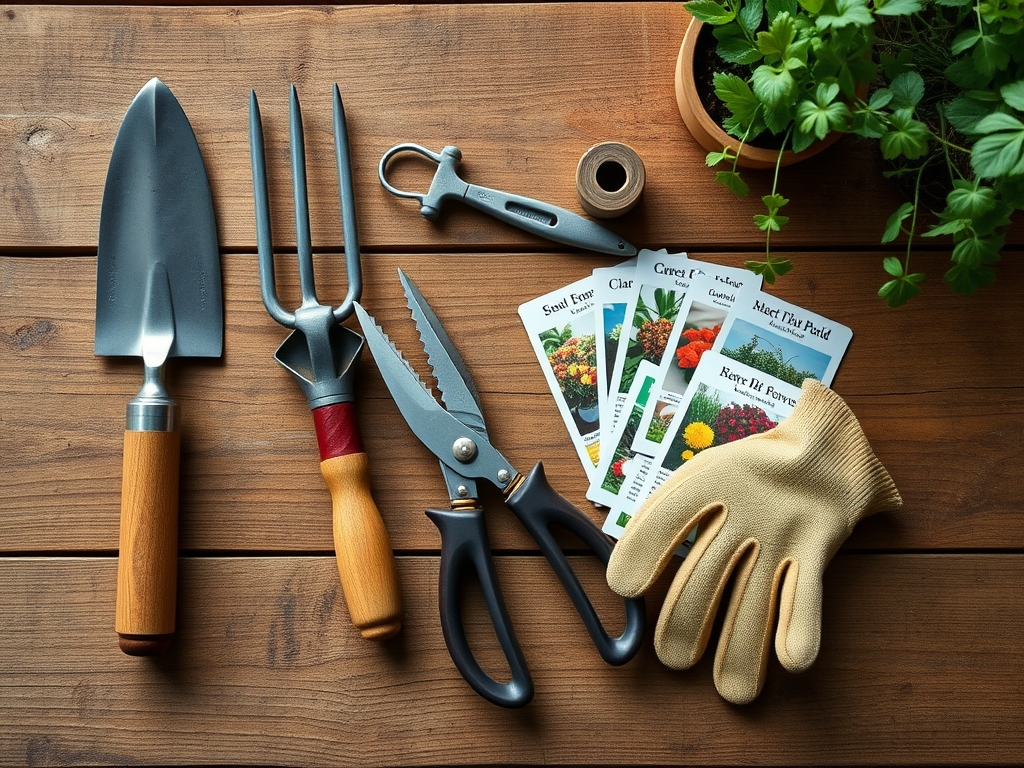
The foundation of a pond relies on a stable substrate. For marginal plants, use a **friable loam** with a high **Cation Exchange Capacity (CEC)** to ensure nutrient availability. Avoid standard potting soils containing perlite or peat moss, as these will float and disrupt the water chemistry. The ideal planting medium should have a **pH between 6.5 and 7.5**.
For aquatic fertilization, utilize slow-release tablets with an NPK ratio of 10-26-10 for flowering species like Nymphaea. High phosphorus levels are essential for rhizome development and bloom induction. The physical liner should be a 45-mil EPDM rubber, which provides superior elasticity and resistance to UV degradation compared to PVC alternatives. Use a non-woven geotextile underlayment to protect the membrane from puncture by sharp aggregates or root penetration.
Timing:
In Hardiness Zones 4 through 7, the optimal window for installation is late spring, specifically between the last frost date and the summer solstice. This period aligns with the Biological Clock of aquatic perennials as they transition from dormancy to the vegetative stage. Soil temperatures must reach a consistent 55 degrees Fahrenheit to ensure that beneficial nitrifying bacteria can colonize the filter media.
In warmer regions like Zones 8 through 10, construction can occur year-round, but late winter is preferred to allow the rhizosphere to establish before high summer temperatures increase the rate of cellular respiration. Planting during the peak of the photoperiod ensures maximum photosynthetic activity, providing the energy required for rapid root establishment.
Phases:
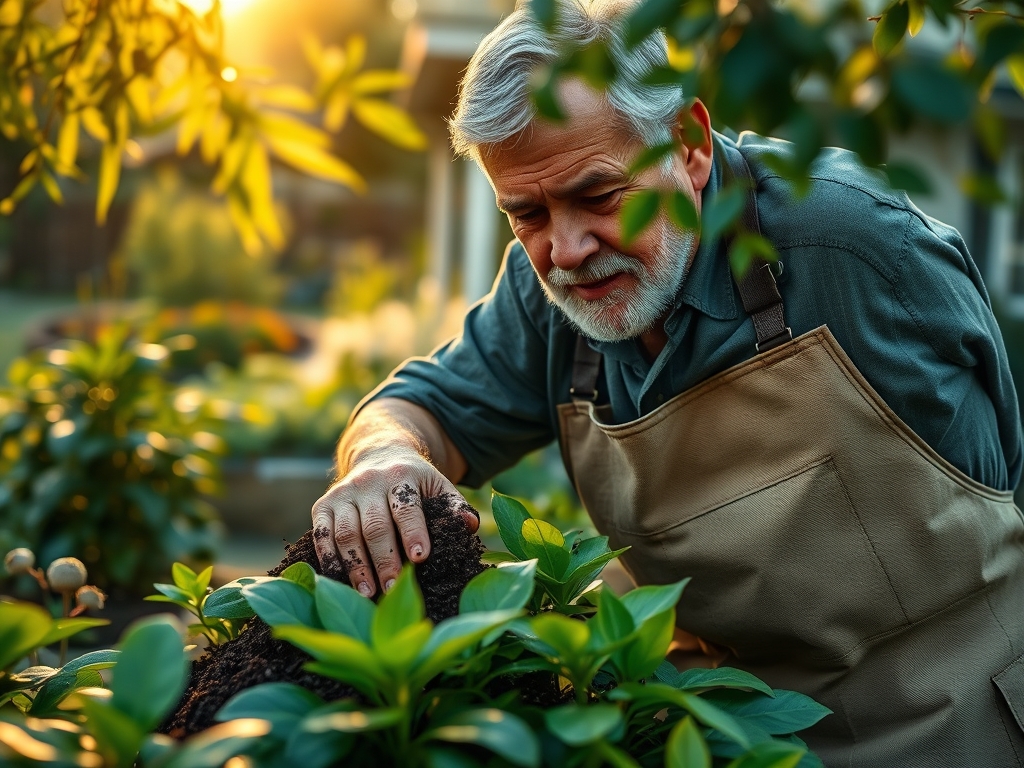
Sowing and Site Preparation
Excavate the site in a series of tiered shelves. The first shelf should be 8 to 12 inches deep for marginal plants, while the center should reach a minimum depth of 24 to 36 inches to provide a thermal refuge for aquatic life during winter senescence. Ensure the perimeter is perfectly level using a transit level to prevent liner exposure.
Pro-Tip: Compact the soil on each shelf to prevent settling. This maintains the structural integrity of the pond walls and prevents the "slumping" of heavy aquatic containers, which can tear the liner through sheer gravitational force.
Transplanting Aquatic Species
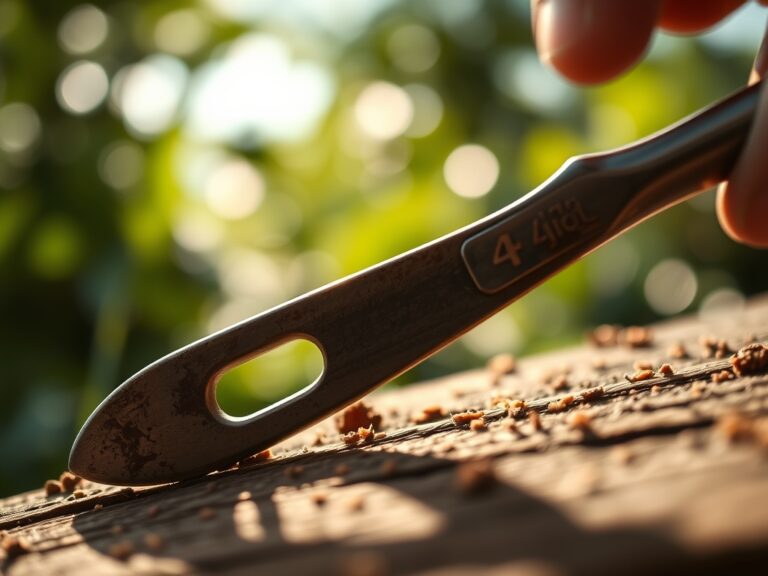
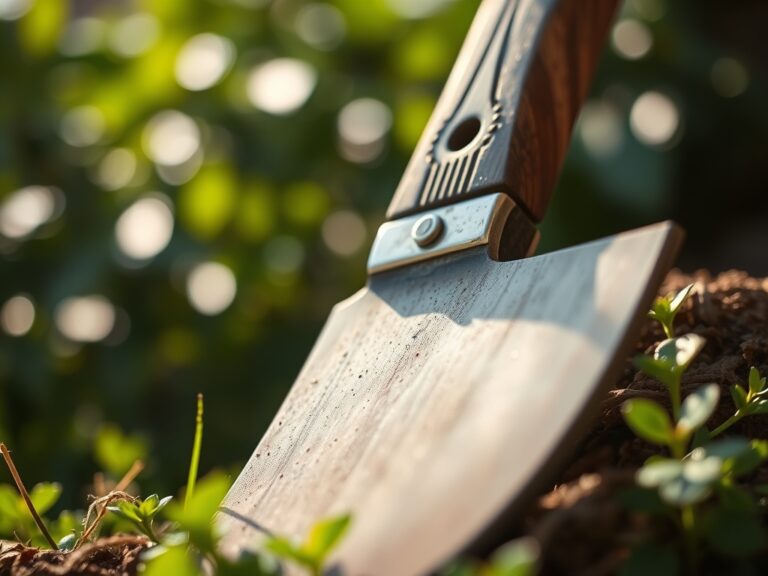
When placing lilies or oxygenators, remove them from their nursery pots and trim any necrotic roots with a sharp hori-hori knife. Place the rhizome at a 45-degree angle against the side of the pot, ensuring the growing tip is exposed. Cover the soil surface with 1 inch of washed pea gravel to prevent fish from disturbing the root zone.
Pro-Tip: Position submerged oxygenators like Elodea canadensis in areas of moderate water flow. This facilitates mycorrhizal symbiosis and ensures a constant supply of dissolved CO2 to the leaf surfaces, maximizing oxygen output via photosynthesis.
Establishing the Bio-Filter
Fill the pond slowly to avoid displacing the substrate. Treat the water with a dechlorinator to protect the delicate tissues of the plants. Introduce a bacterial starter culture to the biological filter to initiate the nitrogen cycle. Monitor the water daily using a digital soil moisture meter for the surrounding terrestrial plants and a liquid reagent kit for the pond water.
Pro-Tip: Avoid introducing fish for at least 21 days. This allows the plants to overcome transplant shock and establish turgor pressure in their stems, making them more resilient to the grazing habits of aquatic fauna.
The Clinic:
Physiological disorders in a pond environment often manifest through leaf discoloration or stunted growth.
- Nitrogen Chlorosis: Symptoms include the uniform yellowing of older leaves while the veins remain slightly green. Fix-It: Insert two 10-14-8 NPK fertilizer spikes into the root ball of the affected plant.
- Iron Deficiency: New growth appears bleached or white while older leaves remain green. This often occurs when the water pH rises above 8.5. Fix-It: Add chelated iron to the substrate to lower the local pH and increase nutrient bioavailability.
- Oxygen Depletion: Plants appear wilted despite being submerged; water may have a foul odor. Fix-It: Increase surface agitation using a venturi nozzle or air stone to boost dissolved oxygen levels above 6 parts per million (ppm).
Maintenance:
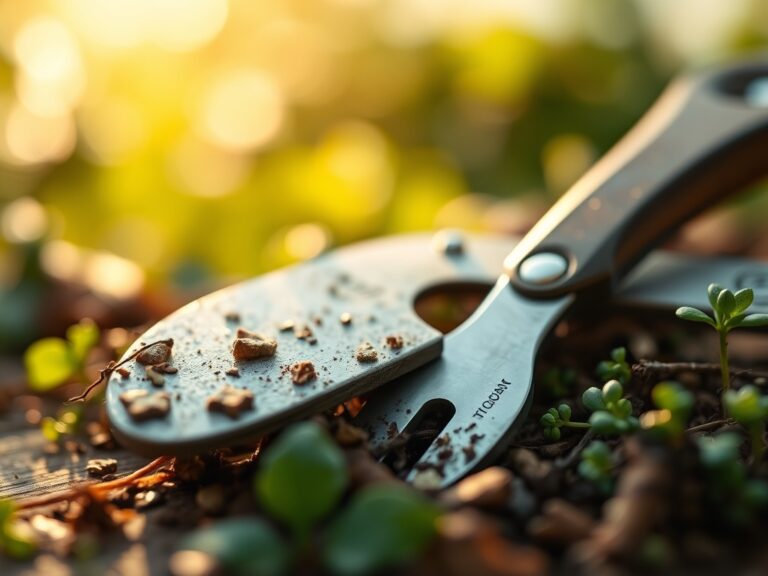
A pond requires disciplined intervention to prevent ecological collapse. Use bypass pruners to remove yellowing foliage before it decays, as rotting organic matter consumes oxygen and fuels algae blooms. During the peak growing season, expect to add approximately 1.5 inches of water per week to compensate for evaporation.
Monitor the pump intake daily to ensure it is clear of debris. Every autumn, perform a partial water change of 20 percent to reduce the concentration of dissolved organic carbons. If the water becomes murky, use a soil moisture meter to check the perimeter for runoff that may be leaching silt or terrestrial fertilizers into the basin.
The Yield:
For those growing edible aquatic crops like Water Parsley or Lotus, harvest timing is critical. Harvest the young shoots of Water Parsley when they reach 6 inches in height to ensure maximum tenderness. For Lotus seeds, wait until the seed pod turns brown and the seeds rattle inside.
To maintain "day-one" freshness for harvested aquatic greens, submerge the stems in 40-degree Fahrenheit water immediately. This rapid cooling halts the process of senescence and preserves the cellular structure. If harvesting flowers for display, cut the stems underwater at a 45-degree angle to prevent air embolisms from blocking the xylem.
FAQ:
How deep should a garden pond be?
For temperate climates, a minimum depth of 24 to 36 inches is required. This depth prevents the water from freezing solid in winter and maintains a stable temperature during the heat of summer, protecting the biological health of the pond.
What is the best liner for a pond?
45-mil EPDM rubber is the industry standard. It offers superior durability, flexibility in cold temperatures, and resistance to UV radiation. It is significantly more reliable than thinner PVC or polyethylene liners which are prone to cracking and punctures.
How do I stop algae naturally?
Maintain a balance where 50 to 70 percent of the water surface is covered by floating plants. These plants compete for the same nutrients as algae and block the sunlight required for algal photosynthesis, effectively starving the blooms.
Do I need a pump for a pond?
Yes. Continuous circulation is vital for gas exchange. A pump should be sized to turn over the entire volume of the pond at least once every hour. This prevents stagnation and ensures that dissolved oxygen levels remain high.