10 Best Timber for Terraces
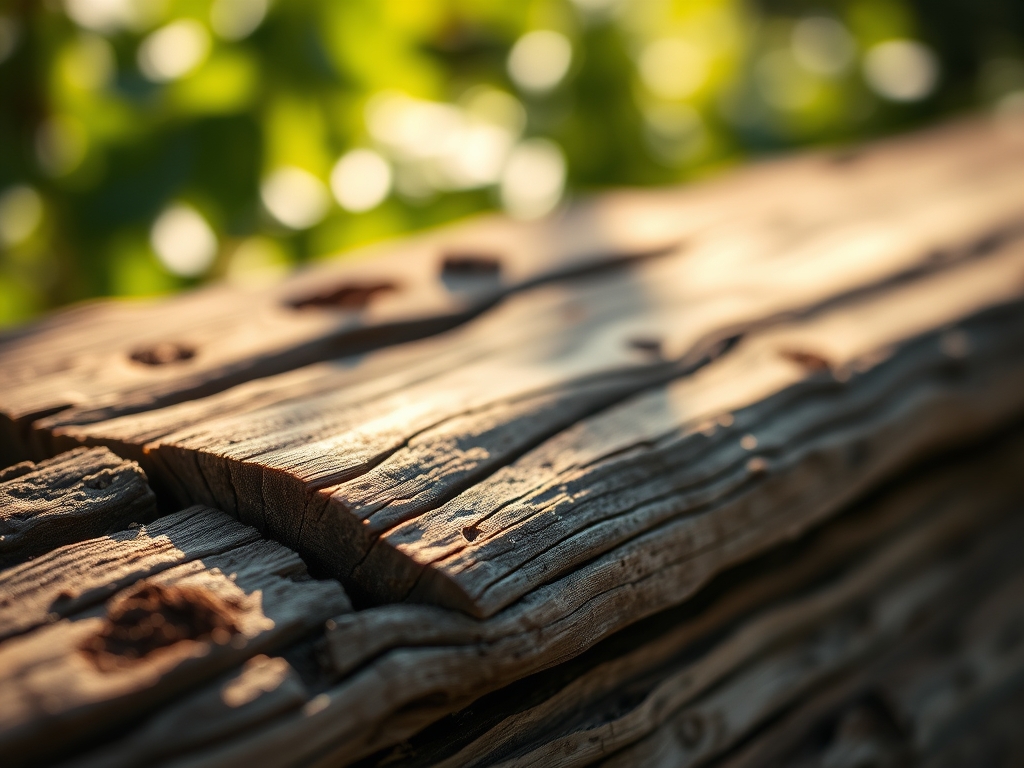
The scent of freshly turned humus and the sharp, resinous tang of sawn heartwood define the initial stages of terrace construction. Successful structural integration requires understanding the cellular density and lignification of your materials. Selecting the best timber for terraces is a decision rooted in durability classes and resistance to fungal decay. You must account for the high moisture levels found in the rhizosphere of terrace-adjacent plantings. A failure to match the wood species to the local soil acidity or moisture retention leads to premature structural senescence.
Effective terracing demands timber that maintains its mechanical integrity under constant soil pressure. We prioritize species with high concentrations of natural extractives like tannins and oils. These chemical compounds serve as an innate defense against the microbial activity prevalent in friable loam. When the turgor pressure of the surrounding vegetation is at its peak, the retaining wall must withstand the lateral force of water-saturated earth. This guide focuses on the intersection of silviculture and structural engineering to ensure your terrace remains a permanent fixture of the landscape.
Materials:
The substrate behind your timber terrace should be a **friable loam** with a **pH range of 6.0 to 7.0**. This acidity level prevents the rapid leaching of preservative salts in treated timbers and maintains a healthy Cation Exchange Capacity (CEC) for the plants inhabiting the terrace levels. For optimal plant health within these timber enclosures, maintain an **NPK ratio of 10-10-10** for general establishment, or **5-10-10** for root-heavy woody perennials.
- Ipe (Brazilian Walnut): Janka hardness of 3,680 lbf. Extremely dense; resists rot for 40 plus years.
- Western Red Cedar: Contains thujaplicins. Naturally decay-resistant; ideal for pH 5.5 to 6.5 soils.
- Black Locust: High tyloses content in wood cells. Outlasts pressure-treated pine in direct ground contact.
- Teak: High silica content. Provides a natural non-slip surface and extreme water resistance.
- Redwood: High tannin concentration. Best for Hardiness Zones 7-10.
- Pressure-Treated Southern Yellow Pine (UC4B Grade): Rated for heavy-duty ground contact.
- White Oak: Features closed cellular structures (tyloses) that prevent water infiltration.
- European Larch: High resin content. Excellent for colder, high-altitude terraces.
- Cypress: Produces cypressene, a natural preservative oil.
- Modified Wood (Acetylated Pine): Chemically altered at the molecular level to prevent moisture absorption.
Timing:
Construction and planting should occur during the dormant season, typically between late autumn and early spring, depending on your Hardiness Zone. In Zones 4-6, ensure the ground is not frozen to allow for proper post-hole anchoring. The "Biological Clock" of the surrounding flora dictates that structural work be completed before the transition from vegetative to reproductive stages, usually triggered by a photoperiod shift in late spring. Aim for a window at least four weeks prior to the last frost date to allow soil settling before active root growth commences.
Phases:
Sowing and Soil Preparation
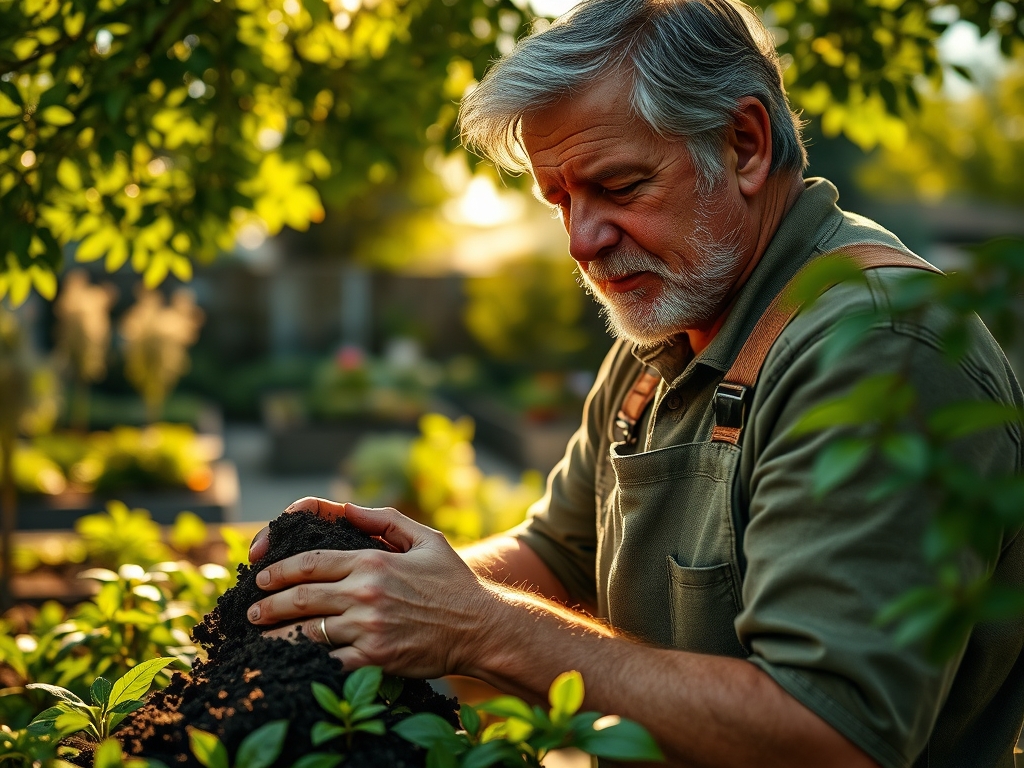
Before installing the timber, excavate the site and replace heavy clay with a mixture of 60% topsoil, 30% organic compost, and 10% coarse sand. This ensures a high Cation Exchange Capacity, allowing the soil to retain essential nutrients like potassium and magnesium.
Pro-Tip: Incorporate mycorrhizal fungi into the backfill. This establishes a mycorrhizal symbiosis that extends the root system's reach, increasing nutrient uptake efficiency by up to 300%.
Transplanting and Anchoring
When placing plants into the terrace, ensure the root ball is level with the soil surface to prevent crown rot. Use a hori-hori knife to slice through any circling roots, encouraging lateral expansion into the new substrate.
Pro-Tip: Avoid over-compacting the soil around the timber. High bulk density restricts oxygen flow to the rhizosphere, leading to anaerobic conditions that can accelerate timber decay from the inside out.
Establishing and Hardening
Once the timber is set and plants are in situ, apply a 3-inch layer of organic mulch. This regulates soil temperature and prevents the timber from undergoing rapid expansion and contraction cycles.
Pro-Tip: Maintain consistent soil moisture to prevent the timber from pulling away from the soil. This prevents auxin suppression in the roots, as consistent contact with the growing medium is required for the hormonal signals that drive downward growth.
The Clinic:
Monitoring the physiological health of your terrace environment is critical for longevity.
- Symptom: Yellowing of older leaves while veins remain green (Interveinal Chlorosis).
- Solution: This indicates a Magnesium deficiency. Apply Epsom salts at a rate of 1 tablespoon per foot of plant height.
- Symptom: Wood surface develops a soft, spongy texture with visible mycelium.
- Solution: Fungal decay. Improve drainage by drilling 0.5-inch weep holes every 2 feet along the base of the timber wall.
- Symptom: Marginal leaf burn on terrace plants.
- Solution: Salt accumulation from treated timber or over-fertilization. Flush the soil with 2 inches of water to leach excess salts.
Fix-It: Nitrogen Chlorosis
If plants appear stunted with pale green foliage, the soil NPK balance is skewed. Apply a high-nitrogen fertilizer (e.g., blood meal) to restore the chlorophyll synthesis process.
Maintenance:
Precision is required to maintain both the timber and the biological life it supports. Use a soil moisture meter to ensure the substrate stays between 20% and 40% volumetric water content. Plants typically require 1.5 inches of water per week delivered at the drip line.
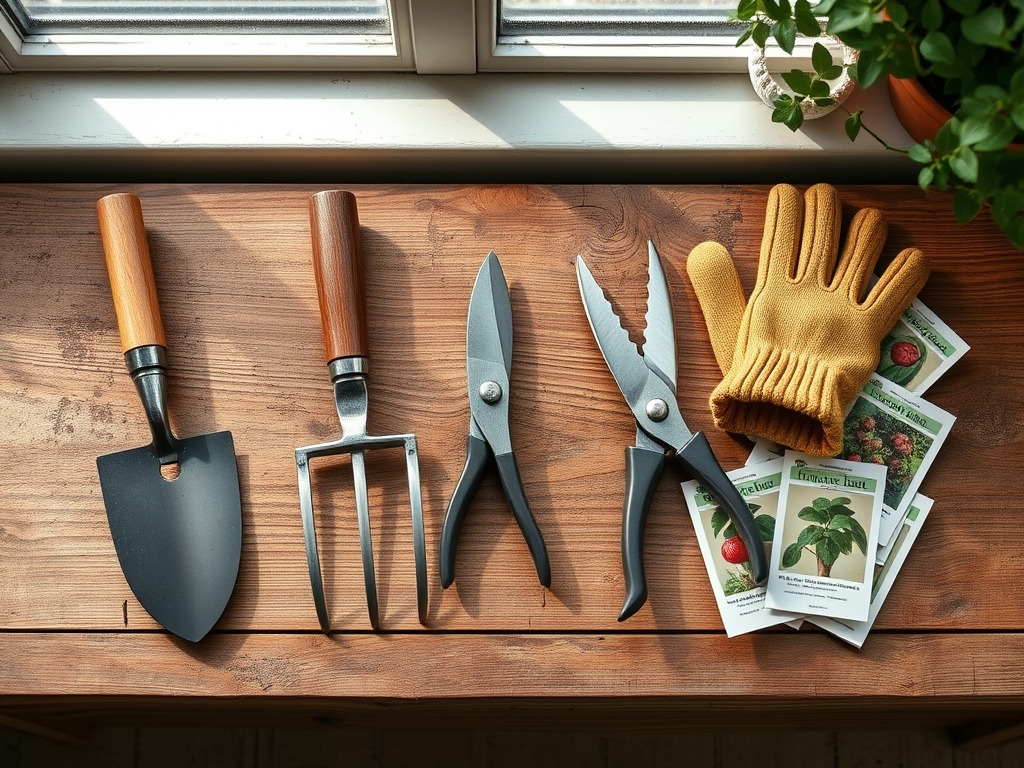
Annually inspect the timber for structural shifting using a spirit level. Use bypass pruners to remove any encroaching woody roots that may exert mechanical pressure on the timber joints. Apply a UV-rated sealant to the wood every 24 to 36 months to prevent lignin degradation caused by ultraviolet radiation. Clean your tools with a 10% bleach solution after every use to prevent the cross-contamination of soil-borne pathogens.
The Yield:
If your terrace is utilized for viticulture or small fruits, timing the harvest is a matter of measuring Brix levels (sugar content). For woody herbs like rosemary or lavender, harvest just as the flower buds appear but before they open to capture the maximum concentration of essential oils. Use a sharp hori-hori knife for clean cuts that minimize tissue damage. Post-harvest, keep produce at 40 degrees Fahrenheit to slow the rate of senescence and maintain cellular turgor.
FAQ:
Which timber lasts longest for ground contact?
Ipe and Black Locust are the premier choices. These species possess high density and natural chemical extractives that resist microbial decomposition for over 40 years without the need for synthetic chemical treatments.
How do I prevent timber terraces from rotting?
Ensure a 4-inch layer of crushed gravel is placed behind the timber for drainage. Use a geotextile fabric to separate soil from the wood. This prevents constant saturation and limits fungal colonization of the wood fibers.
Can I use pressure-treated wood for vegetable terraces?
Modern ACQ-treated (Alkaline Copper Quaternary) timber is generally considered safe. However, for organic standards, use naturally rot-resistant species like Cedar or Redwood to avoid any potential leaching of copper into the rhizosphere.
What is the best way to anchor terrace timbers?
Drive 0.5-inch steel rebar through pre-drilled holes in the timber into the subsoil at least 18 inches deep. This provides the mechanical resistance necessary to counteract the lateral force of saturated soil.