8 Simple Ways How to Direct Sow Seeds
Pressing a seed into cool, crumbly soil and watching it emerge seven days later connects you to the oldest human technology. Learning how to direct sow seeds eliminates transplant shock, reduces time spent on indoor seed starting, and produces stronger root systems adapted to your specific microclimate. Direct sowing means planting seeds exactly where they will grow to maturity, bypassing containers and hardening-off protocols entirely.
Materials
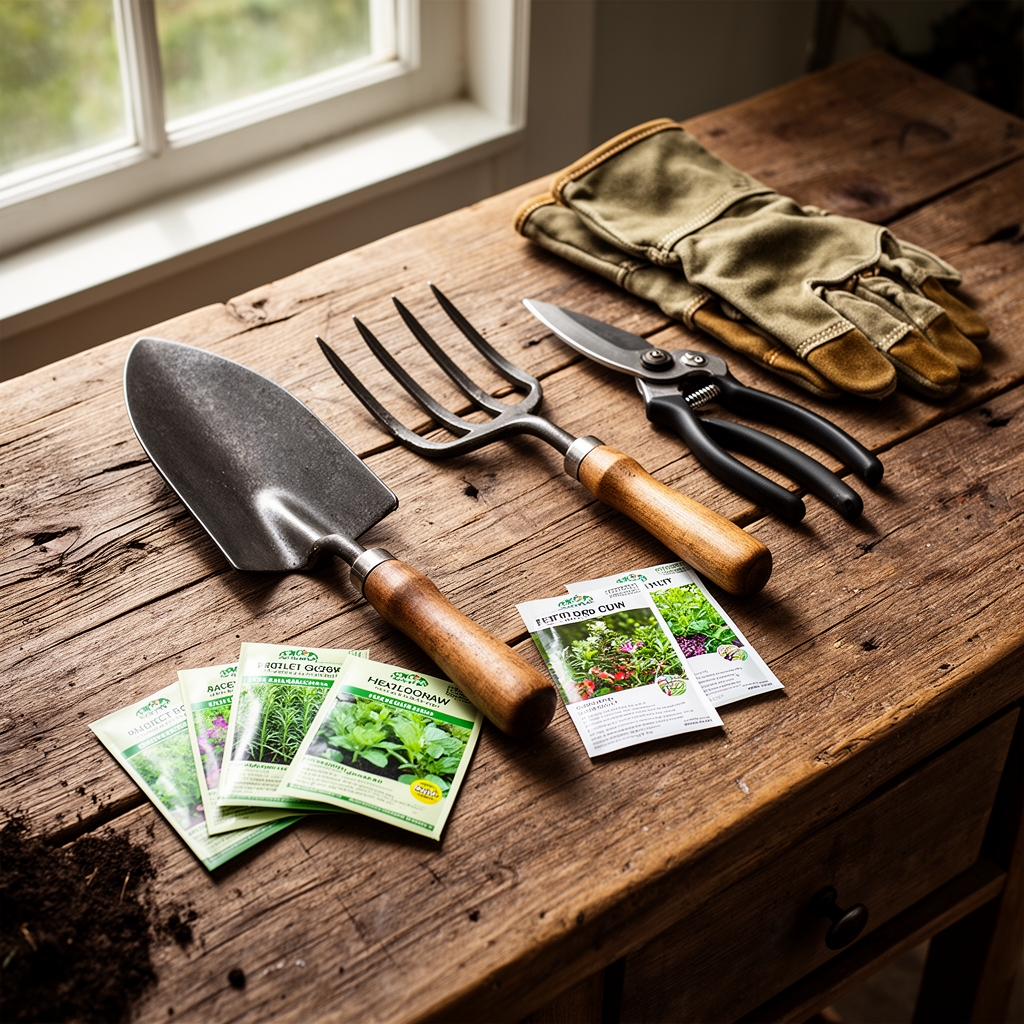
Successful direct sowing requires soil with a pH between 6.0 and 7.0 for most vegetables. Test your soil using a calibrated meter or laboratory analysis before amending. A balanced organic fertilizer rated 4-4-4 provides baseline nutrition without forcing excessive vegetative growth. Incorporate 2 inches of finished compost to improve cation exchange capacity and moisture retention. Keep these tools within reach: a garden rake for creating a fine tilth, a hoe for forming furrows, a measuring tape for spacing accuracy, and row markers to identify plantings. Mycorrhizal fungi inoculant speeds root colonization and nutrient uptake. Apply it directly in the seed furrow at a rate of 1 teaspoon per 10 feet of row.
Timing
Frost dates govern when to direct sow seeds. Cool-season crops tolerate soil temperatures between 40°F and 60°F. Sow lettuce, spinach, peas, and radishes four weeks before your last spring frost in Zones 3 through 7. In Zones 8 through 10, these crops perform best from October through February. Warm-season crops require soil temperatures above 60°F. Beans, cucumbers, squash, and corn fail to germinate in cold soil and rot instead. Wait until two weeks after the last frost date to sow these species. Use a soil thermometer inserted 2 inches deep at 8 a.m. to confirm temperature. Three consecutive days above the minimum threshold indicate safe planting conditions.
Phases
Sowing
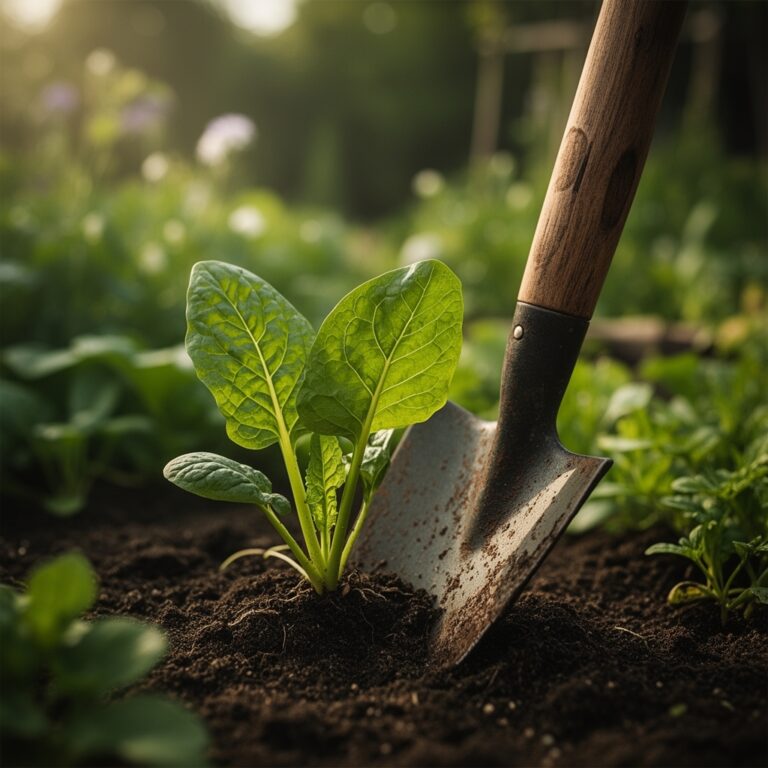
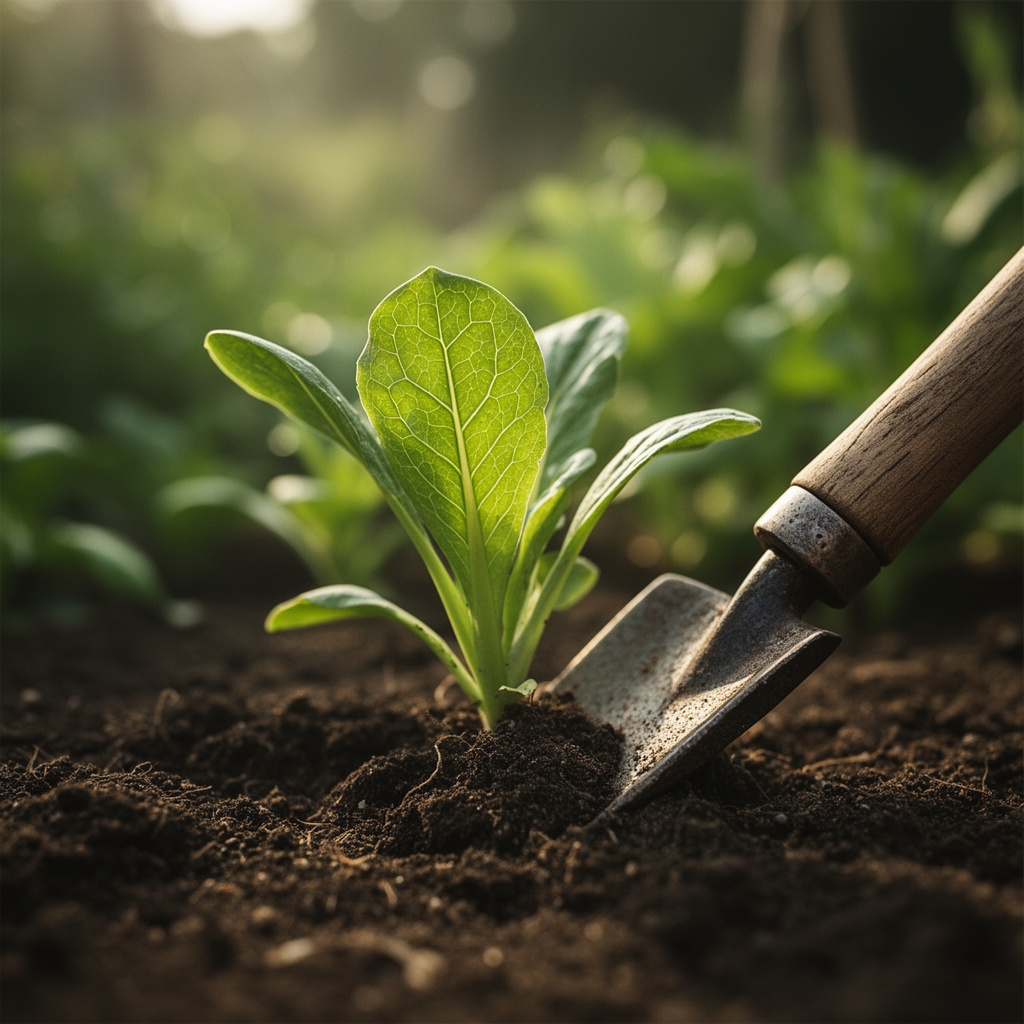
Prepare the seedbed by removing debris and breaking up clods larger than 1 inch. Rake the surface smooth. Create furrows at the depth specified on the seed packet, typically two to three times the seed's diameter. Large seeds like beans go 1 inch deep. Fine seeds like carrots need only 1/4 inch of soil cover. Space seeds according to their mature size requirements. Carrots need 2 inches between plants, while summer squash demands 36 inches. Drop seeds at twice the density you need and thin later. Firm soil over the seeds with the back of a hoe to ensure good seed-to-soil contact, which accelerates water uptake and germination.
Pro-Tip: Dust large seeds with powdered kelp before sowing. The auxin precursors in kelp accelerate root initiation by 20 to 30 percent.
Thinning
Crowded seedlings compete for light and nutrients, producing weak stems and poor yields. Thin seedlings when they develop their first true leaves, the second set to emerge after the cotyledons. Use scissors to snip unwanted seedlings at soil level rather than pulling them. Pulling disturbs the roots of neighboring plants. Leave the strongest, most symmetrical seedling at each station. Final spacing depends on the crop. Lettuce needs 6 inches, beets require 4 inches, and bush beans thrive at 3 inches apart.
Pro-Tip: Transplant thinned seedlings of beets, lettuce, and chard instead of composting them. Water the soil first, extract seedlings with a tablespoon, and replant immediately.
Establishing
The establishment phase lasts from emergence until the plant develops four to six true leaves. Roots extend rapidly during this period, seeking moisture and nutrients. Maintain consistent soil moisture by watering every two days if rainfall is absent. Apply 1/2 inch per session to encourage deep rooting. Mulch between rows with 2 inches of straw or shredded leaves once seedlings reach 3 inches tall. Mulch moderates soil temperature, suppresses weeds, and reduces moisture loss. Side-dress with compost or a 5-3-3 organic fertilizer three weeks after emergence. Apply in a band 3 inches from the stem at a rate of 1/4 cup per linear foot.
Pro-Tip: Spray seedlings with a dilute fish emulsion solution (1 tablespoon per gallon) when true leaves appear. Foliar feeding provides immediately available nitrogen and trace elements.
Troubleshooting
Symptom: Seeds fail to germinate after 14 days.
Solution: Soil temperature fell below the minimum threshold or soil crusted over. Break the crust gently with a rake and water lightly. Resow if three weeks have passed.
Symptom: Seedlings stretch tall and fall over.
Solution: Insufficient light causes etiolation. This rarely occurs outdoors but can happen under dense tree canopies. Relocate plantings to a site receiving at least six hours of direct sun.
Symptom: Circular holes appear in cotyledons and young leaves.
Solution: Flea beetles feed most actively on brassicas and eggplant. Apply floating row covers immediately after sowing. Dust plants with kaolin clay to deter feeding.
Symptom: Seedlings wilt and collapse at the soil line.
Solution: Damping-off fungi (Pythium, Rhizoctonia) thrive in cold, wet conditions. Improve drainage and avoid overwatering. Remove affected plants and drench soil with a chamomile tea solution.
Symptom: Germination is uneven, with gaps in rows.
Solution: Poor seed-to-soil contact or inconsistent moisture. Firm soil after sowing and water gently with a fan spray to avoid displacing seeds.
Maintenance
Water deeply twice per week, delivering 1 inch total. Measure with a rain gauge or tuna can placed in the watering zone. Morning watering reduces fungal disease pressure. Weed weekly by hand or with a stirrup hoe, removing competitors before they reach 2 inches tall. Scout for pests every three days. Hand-pick caterpillars and beetles into soapy water. Apply organic insecticidal soap for aphid infestations at a rate of 2 tablespoons per quart of water. Reapply after rain. Side-dress heavy feeders like squash and corn with compost every four weeks. Light feeders like beans and peas need no additional fertilization.
FAQ
How deep should I plant seeds?
Plant seeds at a depth equal to two to three times their diameter. Large beans go 1 inch deep, medium-sized beets 1/2 inch, and fine lettuce seeds 1/4 inch.
Can I direct sow in heavy clay soil?
Yes, but amend first. Add 3 inches of compost and 1 inch of coarse sand. Work these materials into the top 8 inches. This improves drainage and reduces crusting.
When can I transplant thinned seedlings?
Transplant immediately after thinning, ideally in the evening. Keep roots moist and water thoroughly after replanting. Success rates exceed 80 percent for lettuce, beets, and chard.
Why do my seeds germinate indoors but not outdoors?
Outdoor soil temperature fluctuates more than indoor conditions. Use a soil thermometer to confirm the temperature stays within the crop's germination range for 72 consecutive hours.
Should I soak seeds before planting?
Soak large, hard-coated seeds like beans, peas, and squash for 4 to 8 hours. This softens the seed coat and accelerates germination by 24 to 48 hours. Skip soaking for small seeds, which become difficult to handle when wet.