5 Quick Steps to Plant Cool Annuals
Cool-season annuals transform bare soil into productive beds when air temperatures hover between 40 and 65 degrees Fahrenheit. The steps to plant cool annuals begin in late winter or early autumn, depending on your USDA hardiness zone, when spinach, pansies, snapdragons, and calendula thrive while summer crops would languish. These plants germinate best when soil reaches 45 to 50 degrees Fahrenheit, establishing root systems that tolerate light frost.
Materials
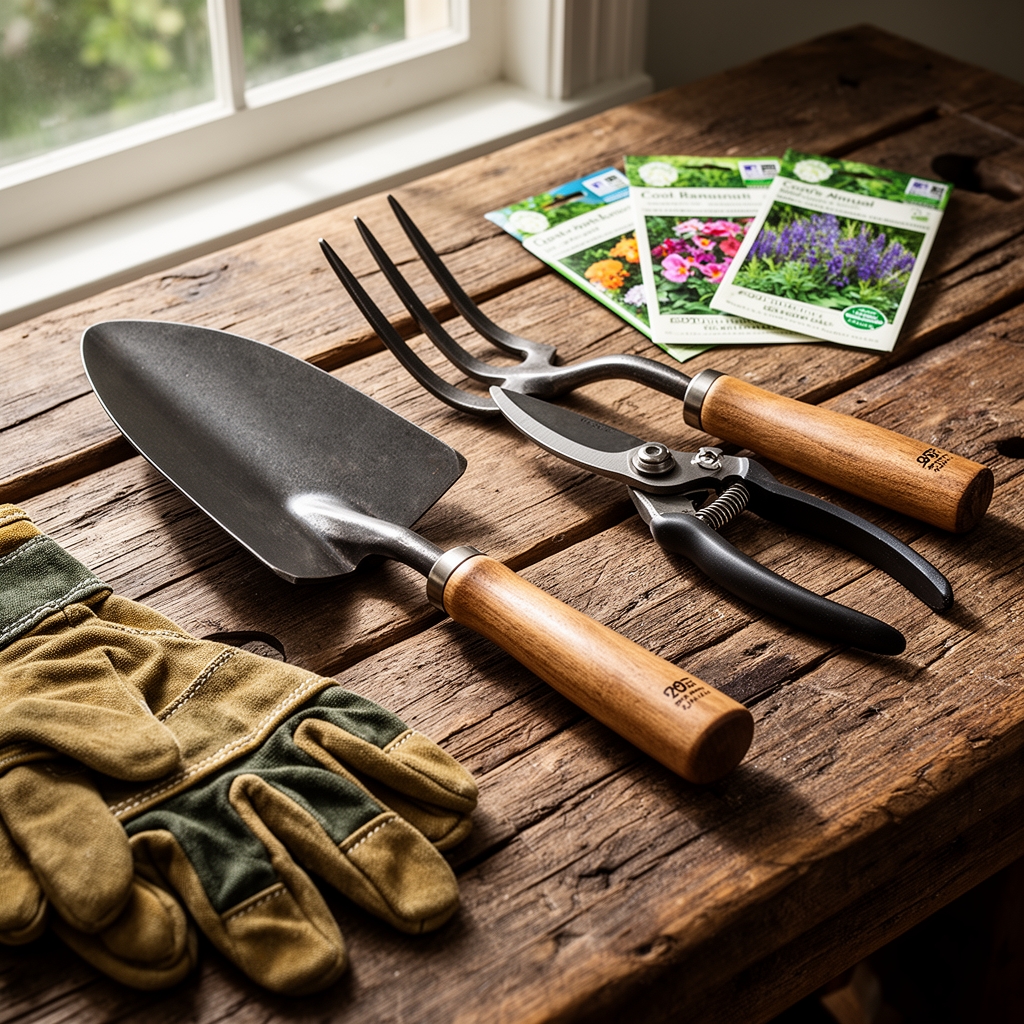
Begin with a balanced organic fertilizer rated 4-4-4 or 5-5-5 to support early vegetative growth without excessive nitrogen that promotes weak, leggy stems. Cool-season annuals prefer soil pH between 6.0 and 7.0. Test your soil with a calibrated probe or mail-in lab analysis to determine lime or sulfur amendments needed.
Compost aged six months or longer improves cation exchange capacity, allowing clay particles to hold nutrients while maintaining drainage. Apply one cubic yard per 100 square feet, worked to a depth of 8 inches. Peat moss or coconut coir adds organic matter in sandy soils where water retention falls below ideal thresholds.
Mycorrhizal fungi inoculant, applied at 1 ounce per 10 square feet, colonizes root hairs and extends the effective absorptive surface by 100 to 1,000 times. This symbiosis increases phosphorus uptake, critical during cool soil conditions when microbial activity slows.
Purchase seedlings in cell packs with dark green foliage and white root tips visible at drainage holes. Yellowing lower leaves indicate nitrogen deficiency or root-bound stress. Seeds should be fresh, dated for the current year, with germination rates above 80 percent listed on the packet.
Timing
USDA Zones 3 through 5 require spring planting six weeks before the last expected frost, typically mid-March through late April. Autumn planting occurs eight weeks before the first hard freeze, usually late August through September.
Zones 6 through 8 allow extended windows. Plant in early March or late February for spring displays. Fall planting begins in late September and continues through October, providing bloom through November or December.
Zones 9 and 10 treat cool annuals as winter crops. Sow from October through February when daytime highs drop below 75 degrees Fahrenheit. Summer heat above 80 degrees causes bolting in lettuce and poor flower set in snapdragons.
Soil temperature matters more than air temperature. Use a probe thermometer at 2-inch depth. Consistent readings of 45 degrees Fahrenheit or higher for three consecutive days signal safe planting conditions for hardy species like pansies and kale. Tender cool annuals such as bachelor's buttons require 50 degrees Fahrenheit minimum.
Phases
Sowing: Direct-seed small-seeded species like poppies and larkspur on prepared beds. Rake soil to create a fine tilth with particle size under 1/4 inch. Broadcast seed at the rate specified on the packet, typically 20 to 30 seeds per square foot. Press seeds into contact with soil using a flat board or roller. Cover with 1/8 inch of vermiculite or sieved compost.
Pro-Tip: Mix fine seeds with dry sand at a 1:4 ratio to achieve even distribution and prevent overcrowding that leads to damping-off fungus.
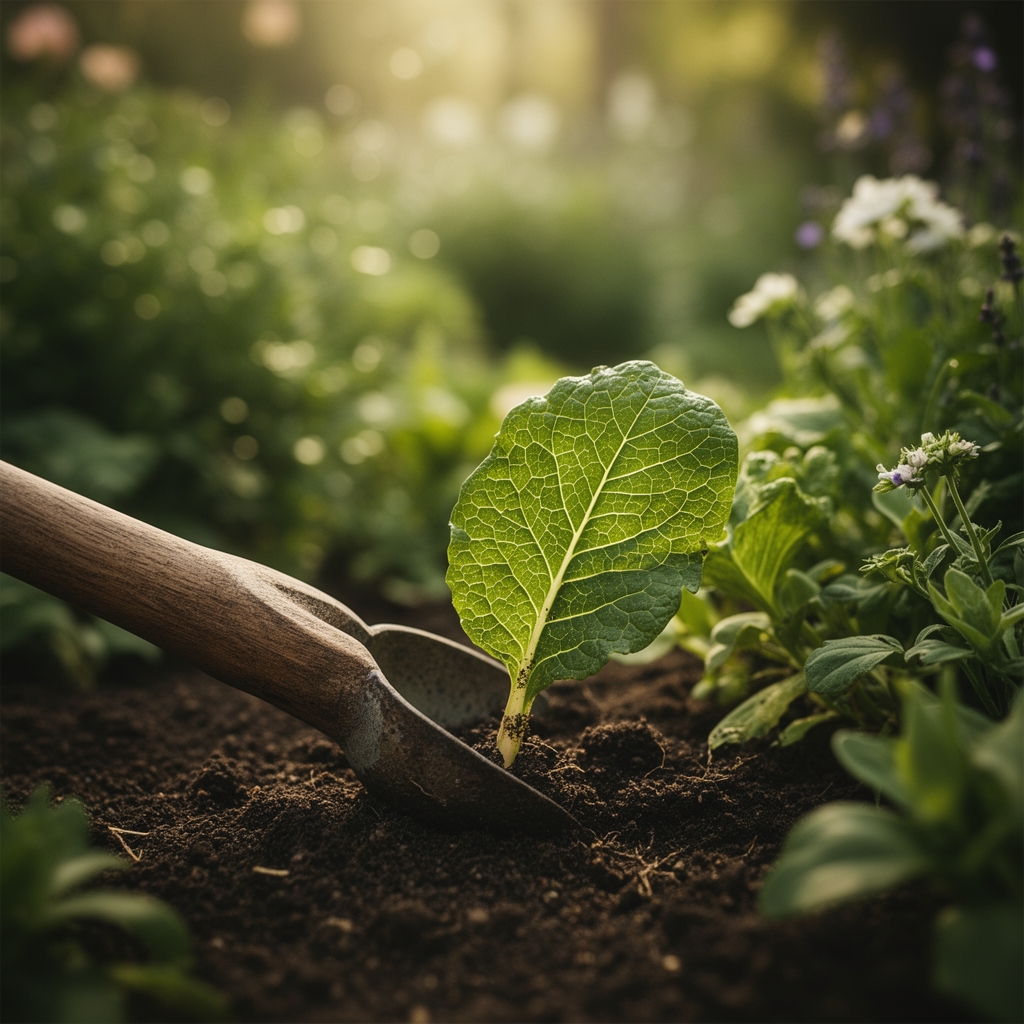
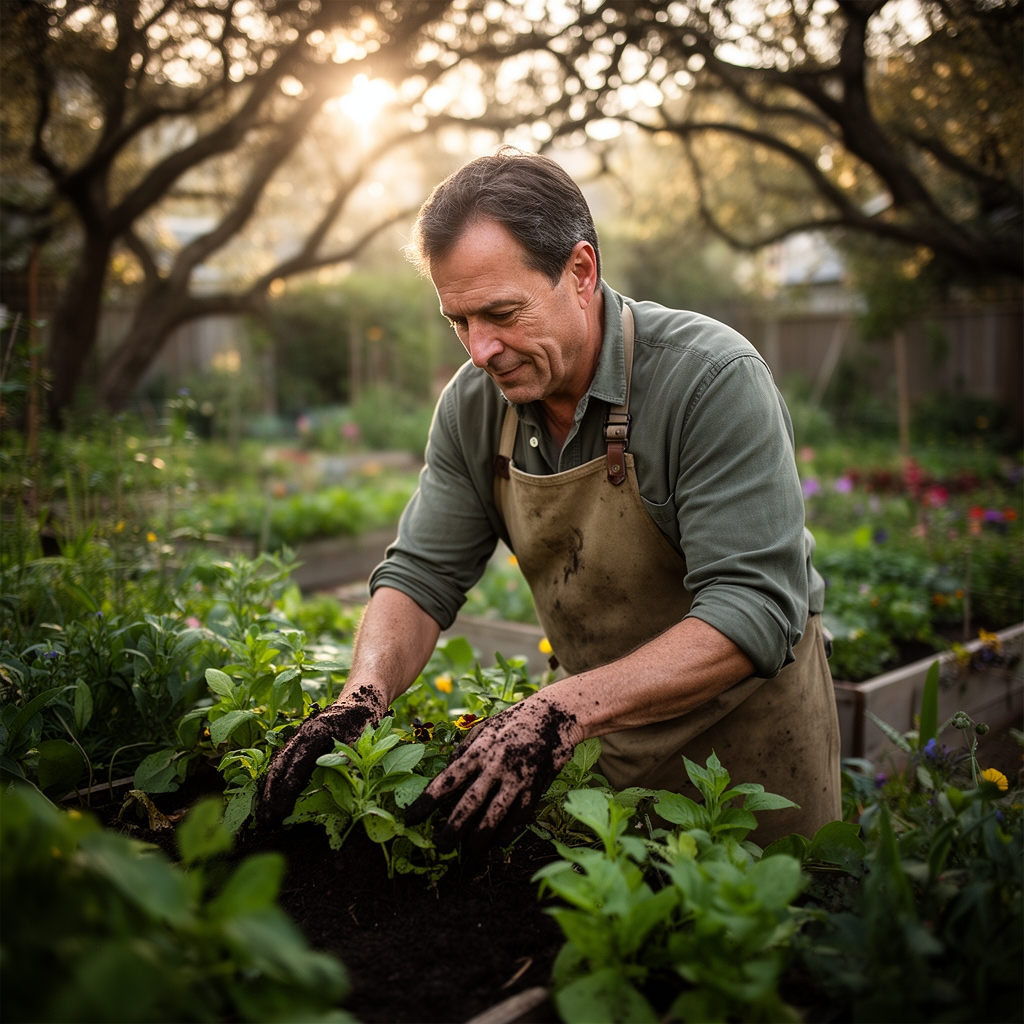
Transplanting: Dig planting holes twice the width of the root ball and equal in depth. Space according to mature spread: pansies at 6 inches, snapdragons at 8 inches, ornamental kale at 12 inches. Remove seedlings from containers by squeezing the base, never pulling stems. Tease apart circling roots with fingers or score root balls with a clean blade if severely bound.
Set transplants at the same depth they occupied in containers. Planting too deep suffocates root collars and encourages stem rot. Firm soil around roots to eliminate air pockets that desiccate fine root hairs.
Pro-Tip: Apply a starter solution of fish emulsion diluted to half strength (1 tablespoon per gallon) immediately after transplanting to promote auxin distribution and reduce transplant shock by 30 percent.
Establishing: Water transplants daily for the first week, providing 1/2 inch per session. Reduce frequency to every three days during week two as feeder roots colonize surrounding soil. Monitor soil moisture at 3-inch depth using a moisture meter or the finger test.
Apply 2 inches of shredded hardwood mulch around plants, keeping material 1 inch away from stems to prevent fungal collar rot. Mulch moderates soil temperature fluctuations and reduces moisture loss by 40 percent.
Pro-Tip: Pinch terminal buds when plants reach 4 inches in height, removing the top 1/4 inch of stem at a 45-degree angle above a leaf node. This technique redirects apical dominance, forcing lateral branching and increasing flower production by 50 to 80 percent.
Troubleshooting
Symptom: Seedlings collapse at soil line with water-soaked brown lesions.
Solution: Damping-off fungus thrives in cold, wet conditions. Improve air circulation with a small fan. Water only in morning hours. Apply biological fungicide containing Bacillus subtilis at labeled rates.
Symptom: Lower leaves yellow while upper foliage remains green, with slow growth.
Solution: Nitrogen deficiency occurs when soil temperatures below 50 degrees limit microbial conversion of organic nitrogen. Side-dress with blood meal (12-0-0) at 1 pound per 100 square feet or apply liquid fish fertilizer weekly.
Symptom: Irregular holes in leaves with slime trails present at dawn.
Solution: Slug and snail pressure peaks in cool, moist conditions. Hand-pick at night or establish traps using shallow dishes filled with beer sunk to soil level. Iron phosphate bait provides organic control at 1 pound per 1,000 square feet.
Symptom: White powdery coating on leaf surfaces, typically on calendula and snapdragons.
Solution: Powdery mildew develops when humidity exceeds 90 percent with poor air flow. Space plants farther apart. Spray affected foliage with 1 tablespoon baking soda plus 1 teaspoon horticultural oil per gallon of water weekly.
Symptom: Premature flowering with elongated stems and small blooms.
Solution: Heat stress from unseasonable warm spells triggers bolting. Provide temporary shade cloth rated 30 percent during heat waves. Increase watering frequency to twice daily.
Maintenance
Irrigate established beds with 1 inch of water per week, delivered in two sessions to penetrate 6 inches deep. Overhead watering encourages foliar disease. Drip irrigation or soaker hoses maintain dry foliage while ensuring consistent root-zone moisture.
Deadhead spent blooms every three to five days by cutting stems just above the first set of leaves. This practice redirects energy from seed production into new flower development, extending display by four to six weeks.
Side-dress every four weeks with compost tea diluted 1:5 or granular organic fertilizer at half the package rate. Cool-season annuals require less feeding than warm-season crops due to slower metabolic rates in cool temperatures.
Scout for aphids weekly, inspecting leaf undersides and new growth. Populations below 10 per leaf rarely cause economic damage. Threshold infestations respond to insecticidal soap applied at 5 tablespoons per gallon, covering all leaf surfaces until runoff.
FAQ
When should I start cool annual seeds indoors?
Start seeds indoors 6 to 8 weeks before the last spring frost or 8 to 10 weeks before fall planting dates. Use sterile seed-starting mix and maintain soil temperature at 65 to 70 degrees Fahrenheit with bottom heat mats.
Can I plant cool annuals in summer?
Avoid planting during summer months when soil temperatures exceed 75 degrees Fahrenheit. Seeds enter dormancy and transplants experience fatal heat stress. Wait for consistent fall cooling.
How do I protect cool annuals from hard freezes?
Cover plants with frost blankets rated for 4 to 8 degrees of protection when temperatures below 25 degrees Fahrenheit are forecast. Remove covers when daytime temperatures rise above freezing. Row covers also work for low-growing species.
Why are my pansies leggy and producing few flowers?
Insufficient light causes etiolated growth. Cool annuals require 6 hours of direct sun daily. Excessive nitrogen also promotes vegetative growth at the expense of flowering. Reduce feeding and increase light exposure.
What is the best spacing for cool-season cutting gardens?
Plant in rows 12 inches apart with 6 to 8 inches between plants within rows. Tight spacing produces longer stems ideal for arrangements while maximizing yield per square foot. Increase air circulation with fans to prevent fungal issues in dense plantings.