5 Quick Steps to Tropical Vegetable Garden
The humid air clings to your skin as you step into the morning garden, where okra pods stretch overnight and Malabar spinach vines spiral toward full canopy. Most temperate gardeners fail within 60 days of attempting tropical cultivation because they ignore soil temperature thresholds and vapor pressure deficits. Learning the steps to tropical vegetable garden success means abandoning cool-season intuition and embracing heat-driven growth cycles. Tropical vegetables demand soil temperatures above 68°F at root depth, consistent moisture without waterlogging, and aggressive fertility management to match their rapid biomass accumulation.
Materials
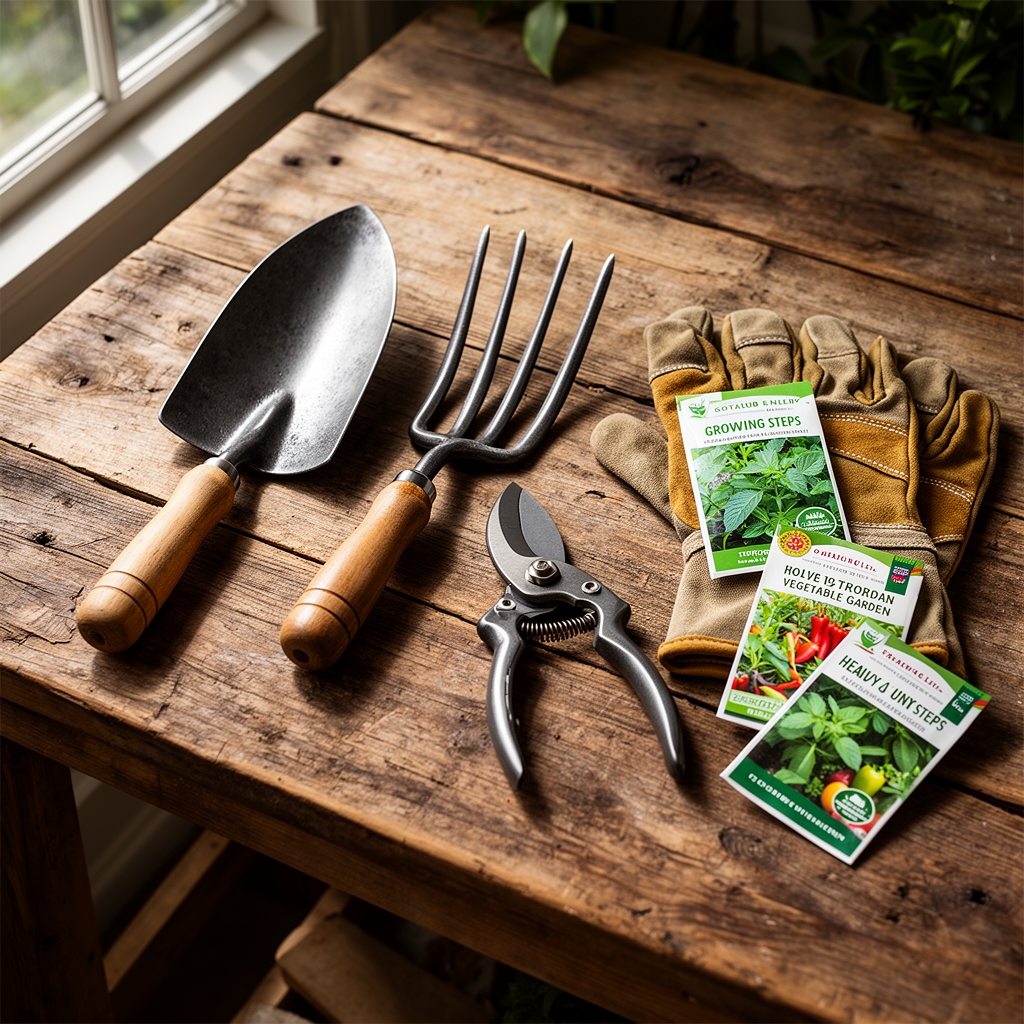
Assemble a complete kit before soil preparation begins. Use a balanced 4-4-4 organic fertilizer or composted poultry manure to establish baseline fertility. Test soil pH and adjust to 6.0-6.8 using dolomitic limestone for acidic soils or elemental sulfur for alkaline conditions. Purchase mycorrhizal fungi inoculant containing Glomus intraradices and Rhizophagus irregularis to accelerate phosphorus uptake in warm-season crops. Acquire black polyethylene mulch or biodegradable film to elevate soil temperature by 8-12°F during establishment. Stock vermicompost at a rate of 2 cubic feet per 100 square feet to improve cation exchange capacity. Obtain aged hardwood chips for pathways to suppress weeds without nitrogen immobilization. Keep chelated iron (Fe-EDDHA) on hand for quick correction of chlorosis in high-pH soils.
Timing
Match planting dates to USDA Hardiness Zones 9-11 or construct season extension systems in Zones 7-8. In Zone 10, direct-seed heat-lovers like yardlong beans and amaranth from March through September when soil remains above 70°F. Zone 9 gardeners must wait until 14 days after the last frost date, typically late March to mid-April, to avoid chilling injury that manifests as puckered leaves and stunted meristems. Install low tunnels with 6-mil greenhouse plastic when overnight temperatures drop below 55°F to maintain the 68-75°F root zone. Tropical perennials such as chaya and katuk require 200-250 frost-free days to establish woody stems. Monitor leaf surface temperature with an infrared thermometer; photosynthesis declines sharply when leaf temps exceed 95°F, signaling need for shade cloth rated at 30-40% light reduction.
Phases
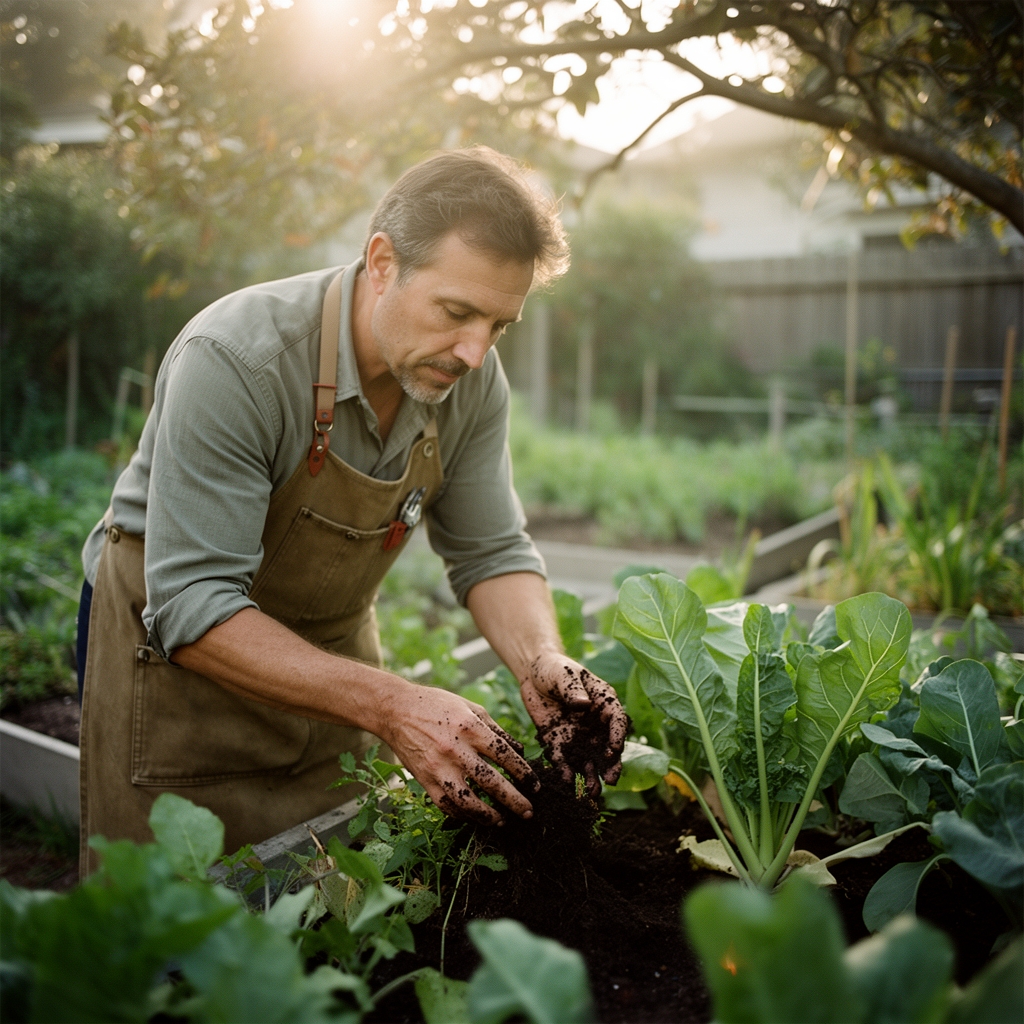
Sowing: Direct-seed large-seeded tropicals like lablab beans and winged beans 1.5 inches deep in raised beds with 8-inch centers. Pre-soak seeds in room-temperature water for 6-8 hours to reduce germination time from 14 days to 5 days. Apply granular inoculant for legumes immediately before covering seeds to ensure Bradyrhizobium colonization. Maintain soil moisture at field capacity but avoid saturation, which creates anaerobic pockets that promote damping-off fungi. Pro-Tip: Dust seeds with powdered rock phosphate at 1 teaspoon per 50 seeds to supply localized phosphorus during the critical 72-hour radicle emergence phase.
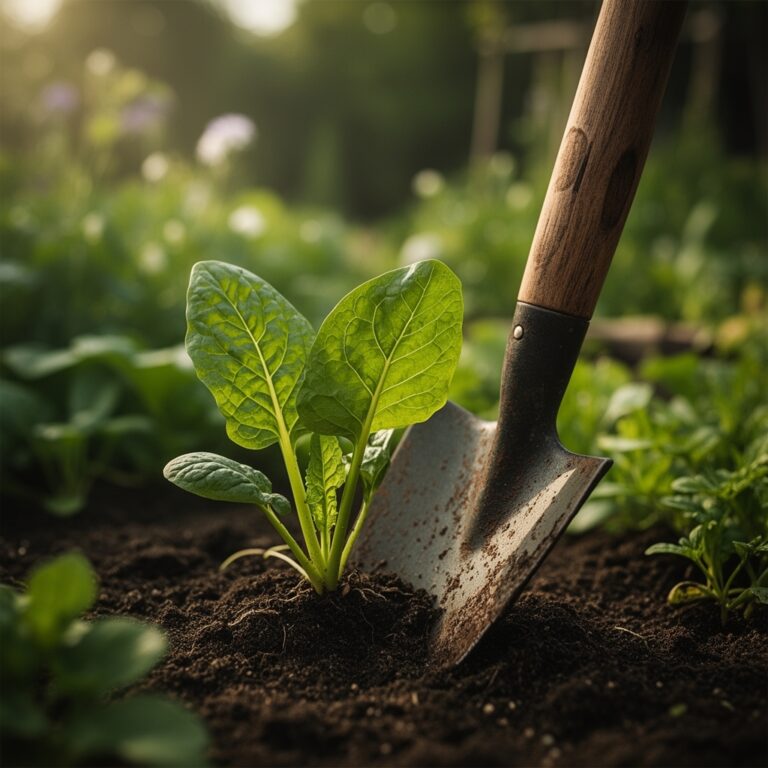
Transplanting: Move seedlings started indoors when they develop two true leaves and nighttime temperatures stabilize above 60°F. Dig planting holes twice the root ball width and amend with 1/4 cup worm castings plus 1 tablespoon bone meal (0-10-0) per plant. Set transplants at the same depth as container soil line to prevent stem rot. Space eggplant and peppers 24 inches apart; okra and roselle require 18-inch spacing. Water with diluted fish emulsion (2-4-1) at half-strength immediately after transplanting to minimize transplant shock. Pro-Tip: Prune the lowest two leaf nodes at a 45-degree angle using sterilized shears to redirect auxin distribution toward apical growth and lateral branching.
Establishing: Apply 2-3 inches of organic mulch after soil warms to 75°F, keeping material 3 inches from plant stems. Side-dress with blood meal (12-0-0) at 1/4 cup per plant when first flowers appear on fruiting species. Install drip irrigation with emitters spaced 12 inches apart, delivering 0.5 gallons per hour. Train vining crops like Malabar spinach onto vertical trellises using soft cloth ties to reduce foliar disease pressure. Pro-Tip: Introduce Trichoderma harzianum as a soil drench at 10^6 spores per milliliter two weeks post-transplant to outcompete Fusarium and Pythium pathogens.
Troubleshooting
Symptom: Interveinal chlorosis on new growth with green veins remaining distinct.
Solution: Apply chelated iron (Fe-EDDHA) as foliar spray at 1 ounce per gallon every 7 days until color returns, typically within 14 days.
Symptom: Blossom-end rot appearing as sunken black lesions on developing fruit.
Solution: Maintain consistent soil moisture at 1-1.5 inches per week and apply calcium nitrate (15.5-0-0 + 19% Ca) at 1 tablespoon per gallon as soil drench.
Symptom: Whitefly colonies congregating on leaf undersides, excreting honeydew.
Solution: Release Encarsia formosa parasitoid wasps at 5 per square foot or spray insecticidal soap (potassium salts of fatty acids) at 5 tablespoons per gallon every 5 days.
Symptom: Powdery white fungal growth on leaf surfaces during humid periods.
Solution: Apply potassium bicarbonate (0-0-50) at 4 teaspoons per gallon plus 1 teaspoon horticultural oil as protectant every 7 days.
Maintenance
Deliver 1-1.5 inches of water per week through drip irrigation or soaker hoses, applying in early morning to reduce foliar disease. Fertigation with liquid kelp (0-0-2) at 2 tablespoons per gallon every 14 days supplies micronutrients and cytokinins that enhance heat tolerance. Scout plants every 3 days for pest eggs and juvenile insects, removing by hand or with targeted sprays. Prune suckers from indeterminate tomato varieties weekly, maintaining 2-3 main stems. Harvest continuously to prevent plants from entering reproductive senescence; pick okra pods at 3-4 inches, yardlong beans at 12-14 inches. Rotate crop families annually to disrupt soil-borne pathogen cycles and prevent nutrient depletion.
FAQ
Q: Can I grow tropical vegetables in Zone 7?
A: Yes, using season extension. Install high tunnels or hoop houses to add 4-6 weeks to both ends of the growing season, maintaining minimum soil temperatures of 68°F.
Q: What NPK ratio works best for tropical fruiting vegetables?
A: Use 5-10-10 during flowering and fruiting phases. Higher phosphorus supports flower formation; potassium improves fruit quality and disease resistance.
Q: How do I prevent fungal diseases in humid climates?
A: Space plants 25% wider than standard recommendations to improve air circulation. Apply Bacillus subtilis biofungicide every 10 days as preventative.
Q: Which tropical vegetables tolerate partial shade?
A: Malabar spinach, Okinawa spinach, and culantro perform well with 4-5 hours of direct sun. Yield decreases 30% compared to full-sun plants but quality remains high.
Q: When should I apply mulch around tropical vegetables?
A: Wait until soil reaches 75°F at 4-inch depth. Early mulching insulates cold soil and delays root development by 10-14 days.