5 Quick Steps to Shade Garden Edibles
Growing food in the dappled light beneath mature trees or on the north side of structures once seemed impossible. Modern research confirms that following precise steps to shade garden edibles transforms these forgotten zones into productive plots. The key lies in matching crop physiology to reduced photosynthetically active radiation, typically 2-4 hours of direct sun or consistent bright indirect light. Unlike sun-grown crops demanding 10+ hours of direct exposure, shade-adapted edibles evolved under forest canopies where auxin distribution and chlorophyll density adapted to diffuse light conditions.
Materials
Soil amendment forms the foundation. Target a pH range of 6.0-6.8 for most shade edibles, though some brassicas tolerate up to 7.2. Incorporate aged compost at a 2:1 ratio with native soil to boost cation exchange capacity. Add a balanced organic fertilizer rated 4-4-4 or 5-5-5 at planting time. Fish emulsion (5-1-1) provides supplemental nitrogen during establishment without excessive vegetative growth that shades lower leaves.
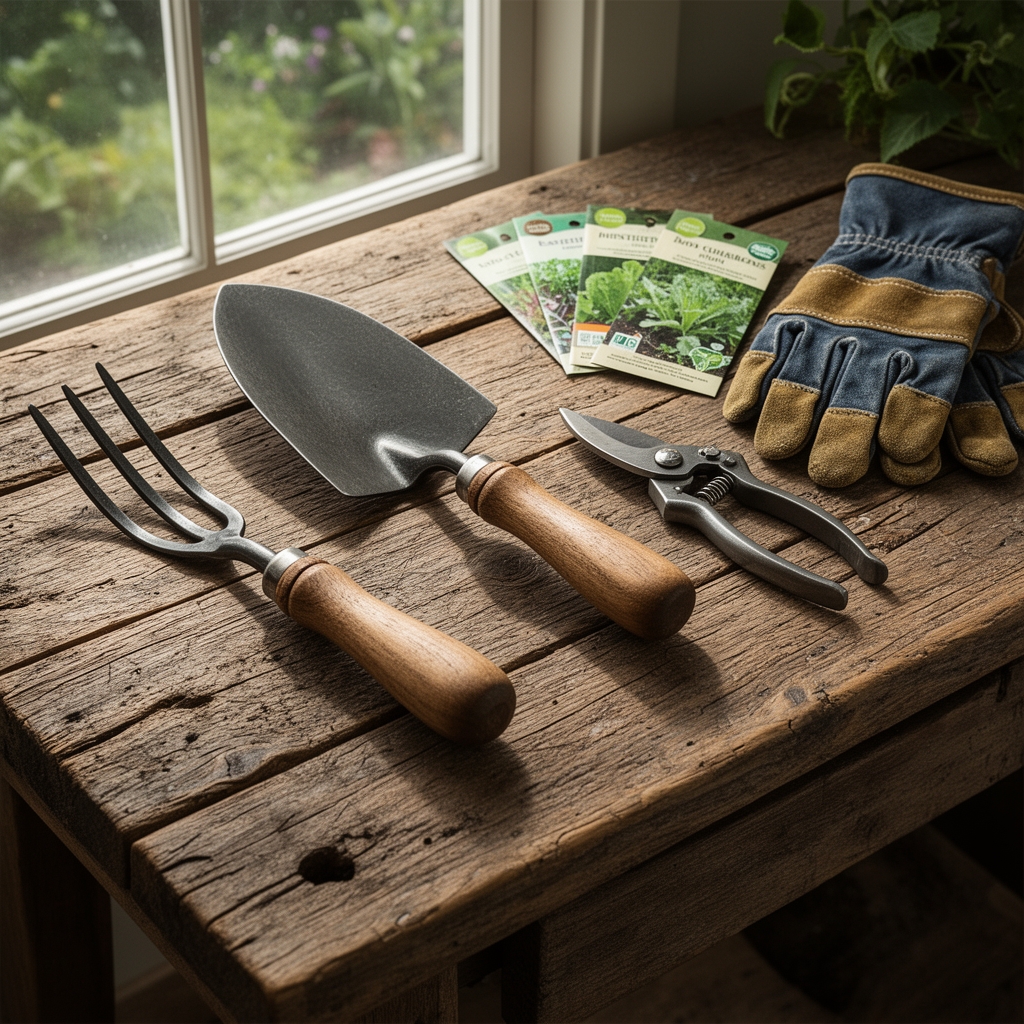
Essential tools include a soil thermometer to confirm 45-50°F for cool-season crops, a lux meter to measure actual light levels (aim for 10,000-20,000 lux minimum), and a broadfork for aeration without disrupting beneficial mycorrhizal networks. Select transplants over seeds when possible; transplants establish faster in competitive root zones under existing trees.
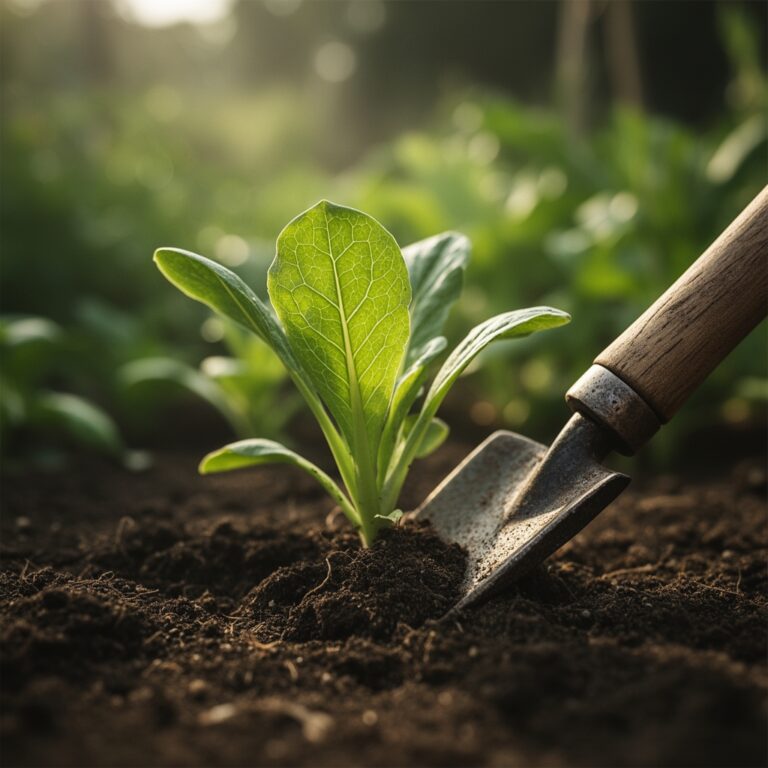
Specific crops for shade include arugula, mustard greens, lettuce (loose-leaf varieties), kale, chard, spinach, mache, claytonia, sorrel, parsley, cilantro, chervil, and mint. These species maintain photosynthetic efficiency at 30-50% full sun. For partial shade zones (4-6 hours sun), add peas, Asian greens like mizuna and komatsuna, and certain bush beans.
Timing
Hardiness zones 5-7 should plant cool-season shade crops 4-6 weeks before the last spring frost (typically March 15-April 15). Zones 8-9 can plant continuously from October through March. Cool temperatures combined with shade prevent bolting in brassicas and lettuce, extending harvest windows by 3-4 weeks compared to full-sun plantings.
Fall planting begins 8-10 weeks before the first frost date. In zones 6-7, this means late July through early August for crops that mature through October and November. Shade provides a critical buffer against early fall frosts, often protecting crops 2-3°F below ambient air temperature due to reduced radiative cooling.
Succession planting every 2-3 weeks maintains continuous harvest. Shade conditions slow growth rates by 20-40% compared to full sun, but also reduce bolting and bitterness in leafy greens.
Phases
Sowing: Direct seed lettuce, arugula, and Asian greens 1/4 inch deep in rows 6 inches apart. Soil temperature matters more than air temperature. Wait until soil reaches 45°F minimum, confirmed with a probe thermometer at 2-inch depth. Surface sow extremely small seeds like lettuce by mixing with sand at a 1:4 ratio for even distribution.
Pro-Tip: Inoculate planting holes with mycorrhizal fungi granules (0.1 oz per plant) to enhance phosphorus uptake in shaded, often phosphorus-limited soils. The symbiotic relationship increases root surface area by 100-1,000 times.
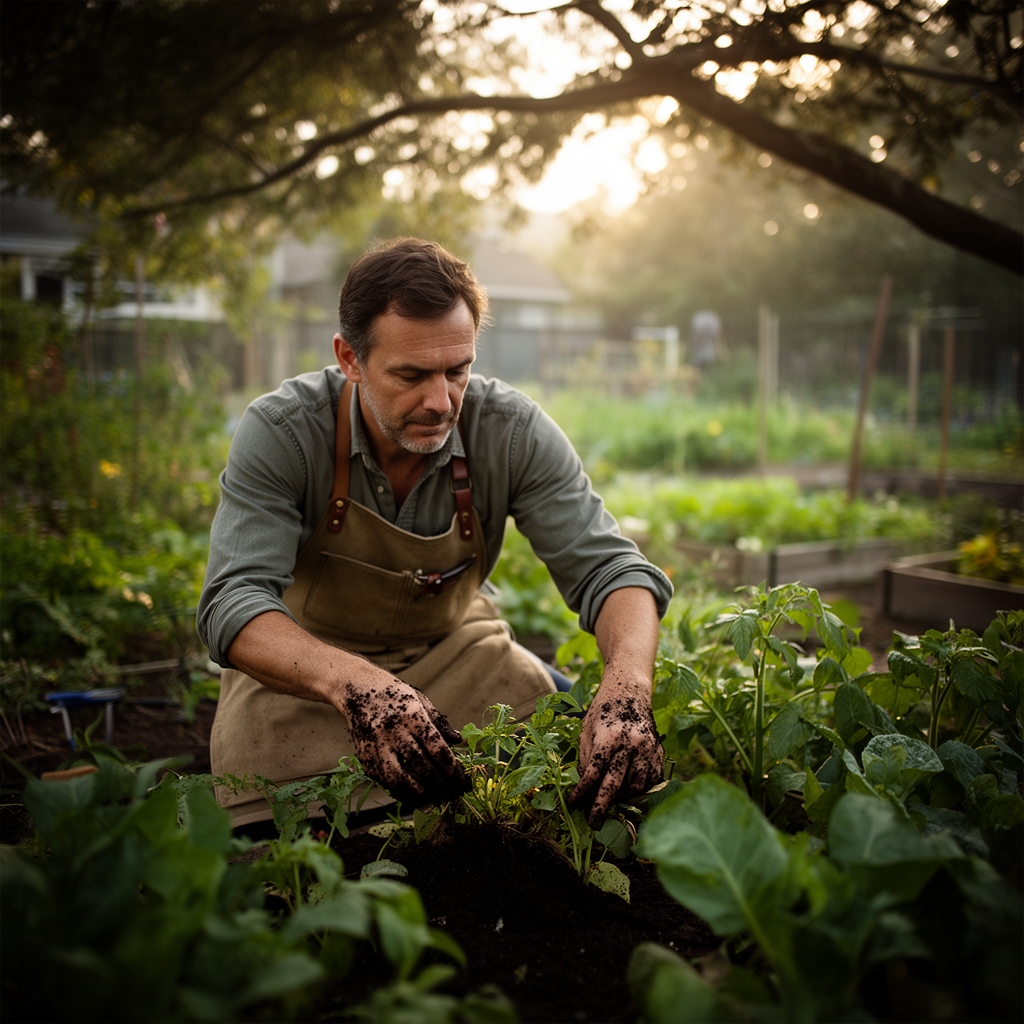
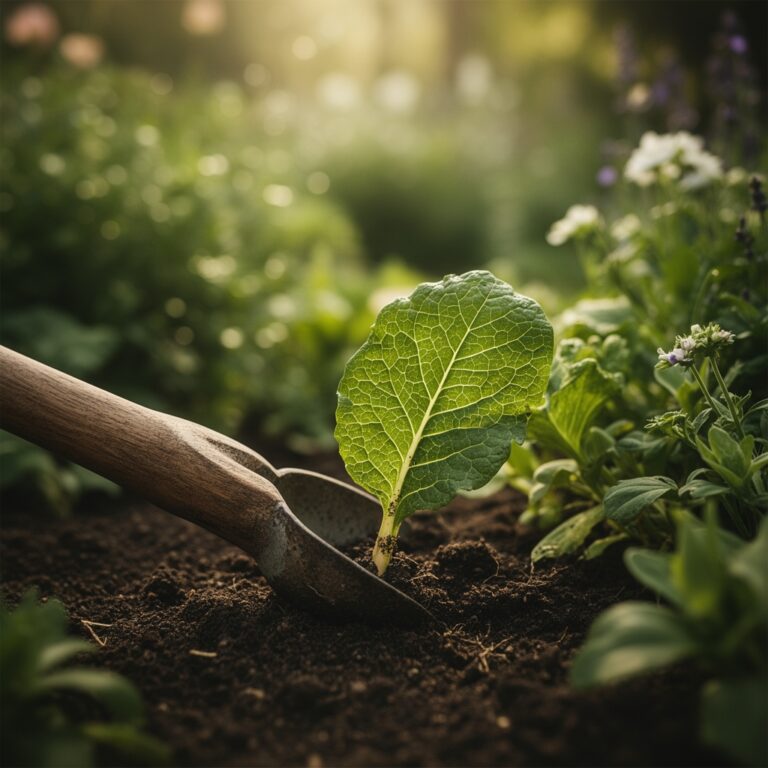
Transplanting: Move 3-4 week old seedlings when they develop true leaves. Plant at the same depth as the container, except for brassicas which benefit from burial up to the first true leaves to promote adventitious rooting. Space transplants 20% closer than full-sun recommendations; reduced canopy spread in shade allows lettuce at 6-inch centers instead of 8-inch.
Pro-Tip: Transplant during cloudy afternoons or apply 30% shade cloth for 3 days post-transplant to prevent shock. Water with diluted fish emulsion (1 tablespoon per gallon) to stimulate root hair development.
Establishing: Monitor soil moisture daily for the first two weeks. Shade gardens lose less water to evapotranspiration but often suffer from tree root competition. Apply 1 inch of water weekly, confirmed by pushing a finger 3 inches into soil. If dry at that depth, irrigate.
Pro-Tip: Apply a 1-inch layer of shredded leaf mulch around plants, keeping it 2 inches from stems. This suppresses weeds without creating slug habitat common with thicker mulch layers in damp shade.
Troubleshooting
Symptom: Elongated stems and pale leaves (etiolation).
Solution: Light levels below 8,000 lux are insufficient. Prune overhanging branches to increase penetration by 15-25%, or relocate plantings to brighter microsites.
Symptom: Slug damage with irregular holes in leaves.
Solution: Reduce mulch depth to 1/2 inch. Place copper tape barriers around beds. Hand-pick at dawn when slugs are active. Avoid beer traps which attract additional slugs from surrounding areas.
Symptom: Powdery mildew on leaf surfaces.
Solution: Increase air circulation by spacing plants 2 inches wider. Apply diluted milk spray (1:9 milk to water ratio) weekly. The lactobacillus bacteria suppress fungal spores.
Symptom: Yellow lower leaves with green veins (chlorosis).
Solution: Iron deficiency common in shade soils above pH 7.0. Apply chelated iron at 1 oz per 10 square feet. Retest soil pH and amend with sulfur if needed to lower toward 6.5.
Symptom: Leggy seedlings that topple over.
Solution: Damping-off fungus thrives in cool, damp shade conditions. Increase ventilation, reduce watering frequency, and apply chamomile tea (strong-brewed, cooled) as an antifungal drench.
Maintenance
Apply 1 inch of water per week through drip irrigation or soaker hoses placed beneath mulch. Water early morning to allow foliage to dry before evening, reducing fungal pressure. In weeks with rainfall, skip supplemental irrigation to prevent root rot.
Feed every 3 weeks with liquid fertilizer at half-strength (1/2 tablespoon fish emulsion per gallon). Excessive nitrogen produces tender growth attractive to pests. Monitor leaf color; dark green indicates sufficient nutrition.
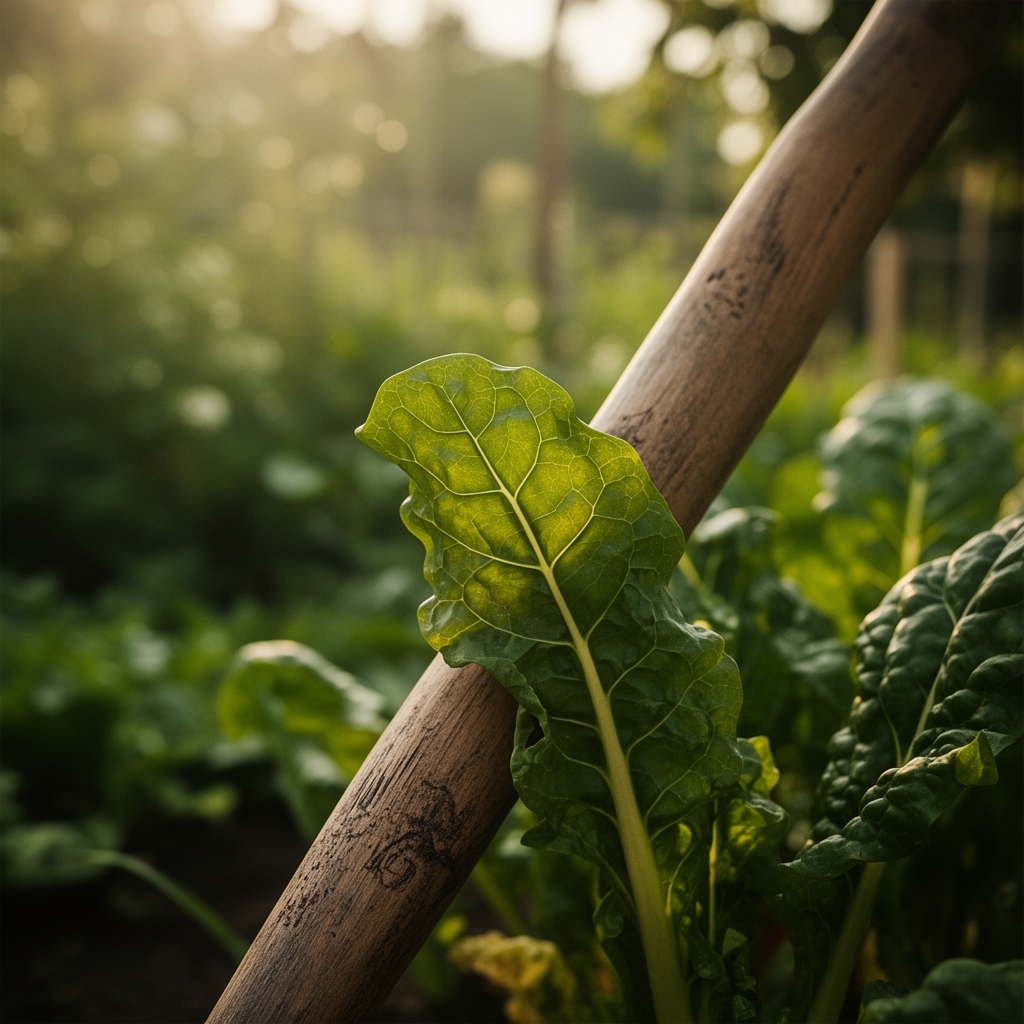
Harvest outer leaves continuously rather than entire heads. This "cut-and-come-again" approach yields 40% more total biomass over the season. Use clean shears to prevent disease transmission. Harvest before 10 a.m. when leaves contain peak moisture content.
Remove any yellowing or diseased leaves immediately. Dispose in trash rather than compost to break pest and disease cycles. Scout weekly for aphids on leaf undersides; dislodge with water spray at 40 psi pressure.
FAQ
How much sun do shade edibles actually need?
Most shade-tolerant edibles require 2-4 hours of direct morning sun or consistent bright indirect light measuring 10,000-20,000 lux. Deep shade under dense evergreens rarely succeeds.
Can I grow tomatoes or peppers in partial shade?
No. Fruiting crops require 8+ hours of direct sun for adequate carbohydrate production. Focus on leafy greens, herbs, and brassicas in shade zones.
Why do my shade greens taste better than sun-grown?
Reduced light stress decreases bitter compound production in lettuce and brassicas. Lower transpiration rates maintain higher leaf moisture content, improving texture.
How do I prevent leggy growth?
Select compact varieties bred for shade tolerance. Avoid high-nitrogen fertilizers that promote excessive vegetative growth. Ensure minimum 10,000 lux light levels.
When should I stop planting in fall?
Plant 8 weeks before first frost in zones 5-7. In zones 8-9, continue planting through November for winter harvest. Cold-hardy species like mache and claytonia overwinter under row covers in zone 6 and warmer.