7 Easy Ways How to Grow Partial shade Herbs
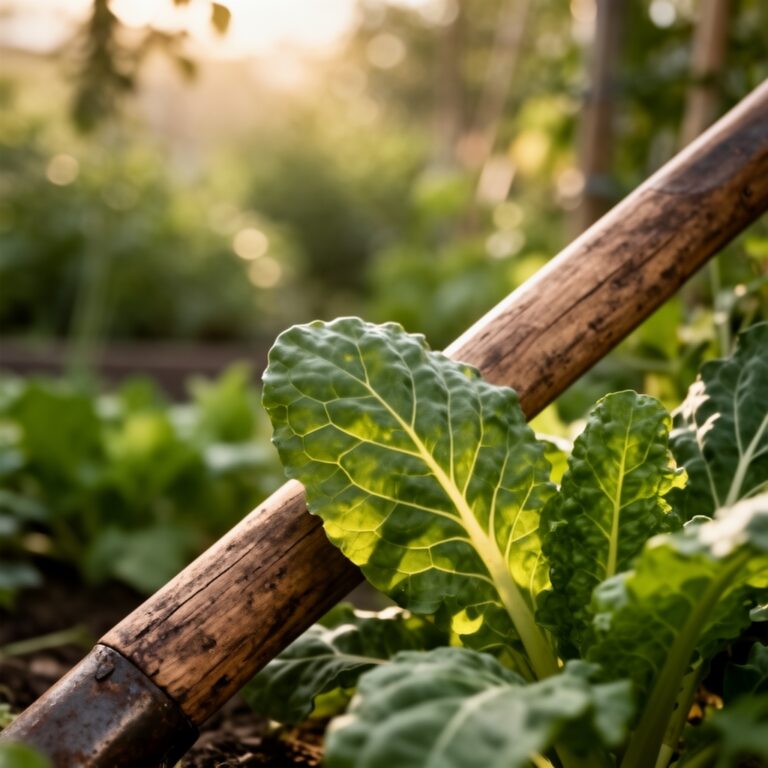
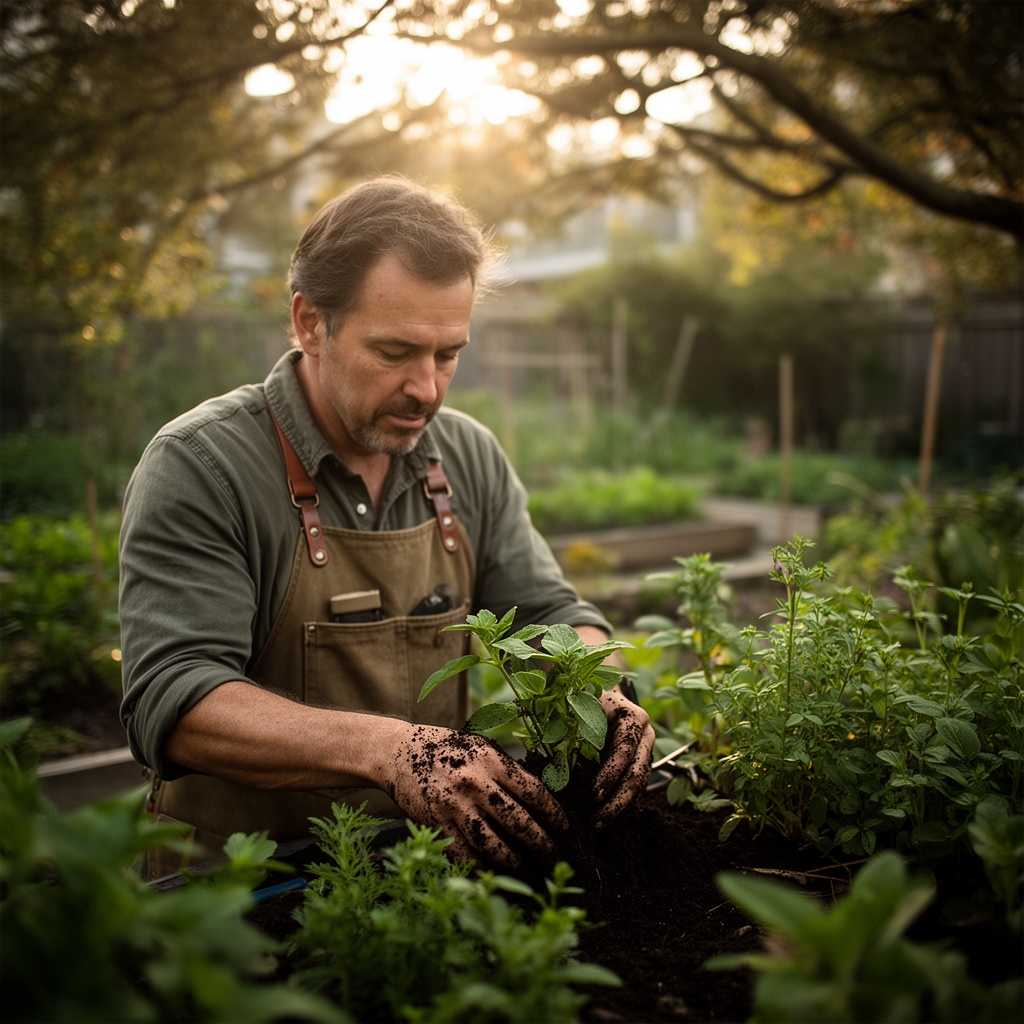
Filtering morning light through oak canopies illuminates the soft leaves of parsley, mint, and chervil thriving where full-sun herbs would scorch and bolt. Learning how to grow partial shade herbs transforms underutilized garden zones beneath eaves, alongside fences, and under deciduous trees into productive herb sanctuaries. These locations receive three to six hours of dappled sunlight daily, ideal for species that evolved on forest floors or in Mediterranean understories where light penetrates in shifting patterns.
Materials
Select a growing medium with pH 6.0 to 7.0 for most partial shade herbs. Amend native soil with aged compost at a 1:3 ratio to boost cation exchange capacity and ensure adequate drainage. For container cultivation, mix two parts coconut coir, one part perlite, and one part worm castings.
Apply a balanced organic fertilizer with an NPK ratio of 4-4-4 at transplant time. Fish emulsion (5-1-1) works well for leafy herbs like parsley and cilantro during the vegetative phase. Kelp meal provides trace minerals and growth hormones that support auxin distribution in shade-adapted plants. Mycorrhizal fungi inoculants improve phosphorus uptake in low-light conditions where photosynthetic efficiency decreases by 40 to 60 percent compared to full sun.
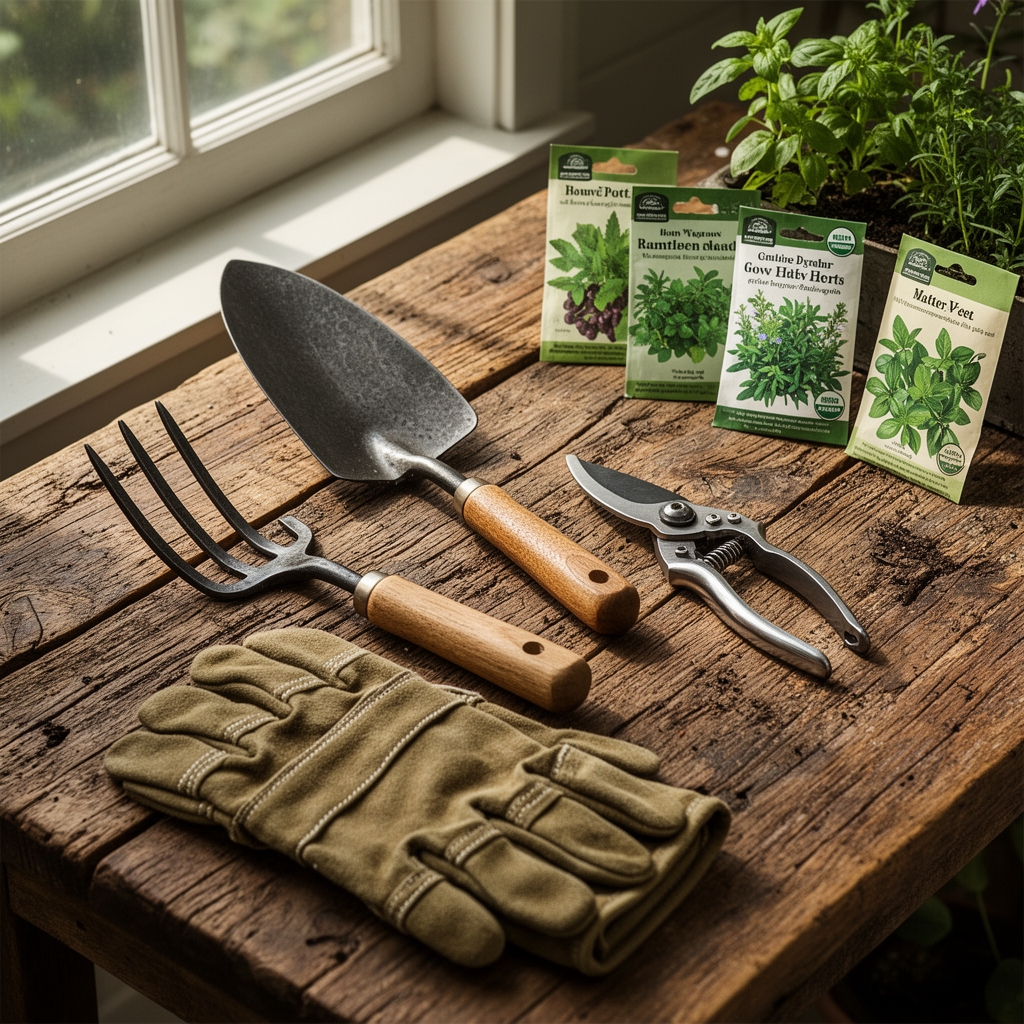
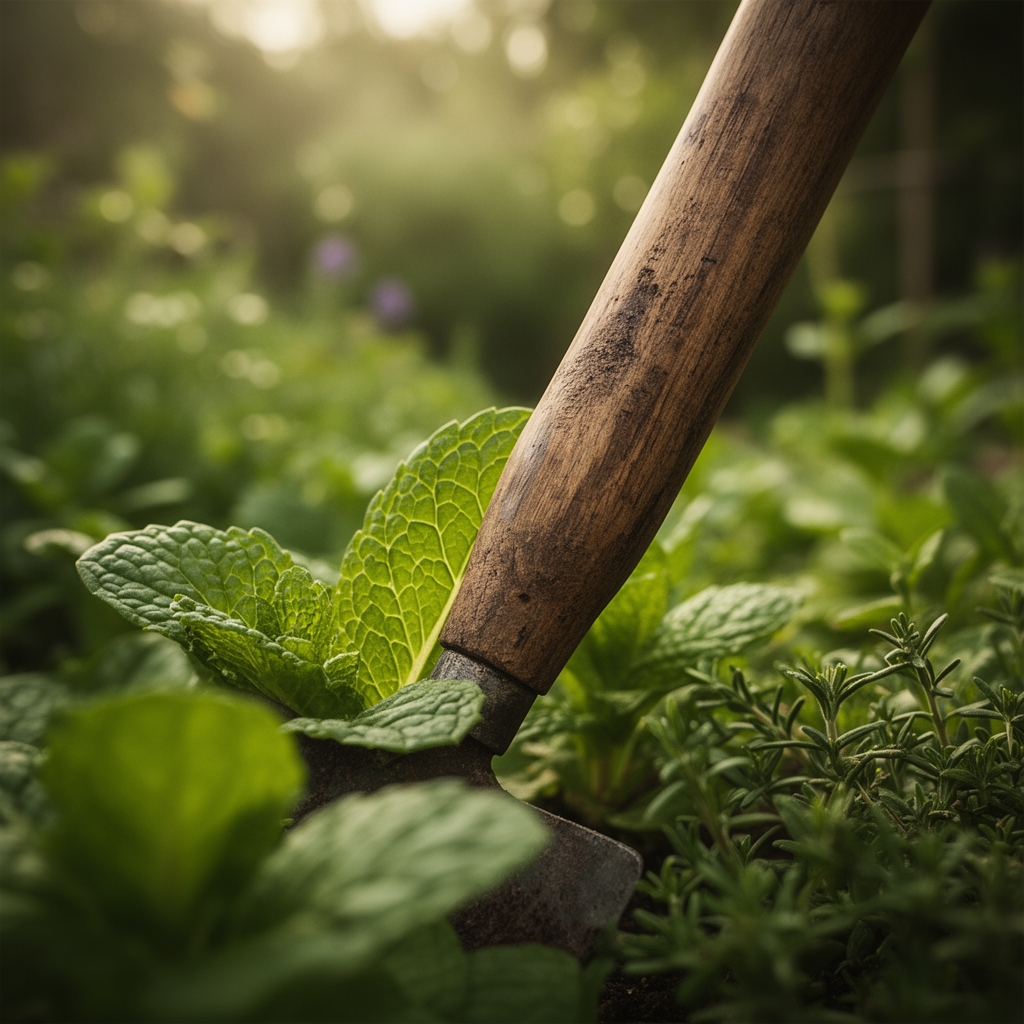
Choose herb varieties bred for shade tolerance. Mint (Mentha spp.), lemon balm (Melissa officinalis), chervil (Anthriscus cerefolium), and parsley (Petroselinum crispum) perform best. Cilantro (Coriandrum sativum) remains in vegetative growth longer in partial shade, delaying the bolting that plagues full-sun plantings. Shade-tolerant cultivars of basil such as 'African Blue' and 'Pesto Perpetuo' maintain acceptable essential oil concentrations even with reduced light exposure.
Timing
Match planting schedules to USDA Hardiness Zones and last frost dates. In Zones 5 through 7, start seeds indoors six to eight weeks before the last spring frost. Transplant seedlings outdoors when soil temperatures reach 50°F and nighttime air temperatures stay above 40°F consistently.
For Zones 8 through 10, direct sow cool-season herbs like cilantro and chervil in early autumn when temperatures drop below 80°F. Spring plantings succeed from February through April before summer heat arrives. Partial shade extends the growing season for heat-sensitive herbs by moderating temperature extremes.
In Zone 11, plant year-round with attention to moisture during dry months. Partial shade becomes essential from May through September when full sun causes leaf desiccation and premature flowering in annual herbs.
Phases
Sowing: Direct sow large seeds like cilantro and dill 1/4 inch deep, spacing them 4 inches apart. Surface sow fine seeds such as thyme and oregano, pressing them into moistened soil without covering. Maintain soil moisture at 70 percent field capacity using a misting bottle to prevent seed displacement. Germination occurs in 7 to 14 days at temperatures between 60°F and 70°F.
Pro-Tip: Coat large seeds with mycorrhizal inoculant powder before sowing to establish fungal networks during germination, improving nutrient acquisition in shaded soils with lower microbial activity.
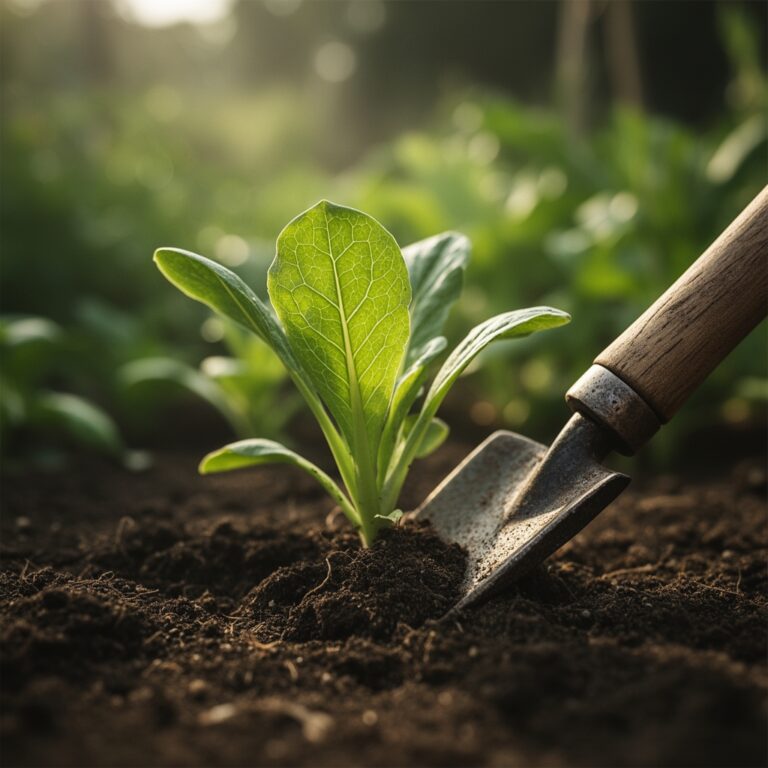
Transplanting: Harden off seedlings over seven days, gradually increasing outdoor exposure from two hours to full days. Dig planting holes twice the root ball diameter. Set transplants at the same depth they grew in containers to prevent stem rot. Water with a dilute solution of liquid kelp (1 tablespoon per gallon) to reduce transplant shock and stimulate root development.
Pro-Tip: Transplant on overcast days or in late afternoon to minimize moisture stress. Remove the lowest pair of leaves on leggy seedlings and bury stems up to the remaining foliage to encourage adventitious root formation along buried nodes.
Establishing: Apply 2 inches of shredded hardwood mulch around plants, keeping it 1 inch away from stems to prevent fungal collar rot. Water deeply twice weekly for the first month, delivering 1 inch of water per session. Monitor new growth; pale yellow leaves indicate nitrogen deficiency, while dark green leaves with stunted growth suggest phosphorus limitation in shade.
Pro-Tip: Prune terminal growth at a 45-degree angle once plants reach 6 inches tall to redirect auxin and promote lateral branching. This increases leaf production and delays flowering by disrupting apical dominance.
Troubleshooting
Symptom: Elongated stems and sparse foliage (etiolation).
Solution: Relocate plants to areas receiving morning sun. Supplement with 6500K LED grow lights for four hours daily. Prune back leggy growth by one-third to stimulate compact regrowth.
Symptom: White powdery coating on leaf surfaces (powdery mildew).
Solution: Improve air circulation by spacing plants 8 inches apart. Spray weekly with a baking soda solution (1 tablespoon per quart water plus 1/2 teaspoon horticultural oil). Remove severely infected leaves and dispose of them away from the garden.
Symptom: Holes in leaves with slime trails (slugs and snails).
Solution: Apply diatomaceous earth in a 3-inch band around plant bases. Set beer traps in shallow containers sunk to soil level. Hand-pick mollusks at dawn when they are most active.
Symptom: Yellowing lower leaves with green veins (iron chlorosis).
Solution: Test soil pH; values above 7.5 limit iron availability. Apply chelated iron foliar spray (150 ppm) every two weeks. Amend alkaline soil with elemental sulfur at 1 pound per 100 square feet to gradually lower pH.
Symptom: Sudden wilting despite moist soil (root rot).
Solution: Improve drainage by incorporating coarse sand or perlite at 20 percent by volume. Reduce watering frequency to once weekly. Apply beneficial bacteria (Bacillus subtilis) as a soil drench to suppress pathogenic fungi.
Maintenance
Water partial shade herbs when the top 1 inch of soil feels dry, typically once or twice weekly depending on temperature and humidity. Deliver 1 inch of water per session, measured by placing a straight-sided container in the irrigation zone.
Fertilize every four weeks during active growth with fish emulsion diluted to half strength (1 tablespoon per gallon). Cease fertilization six weeks before the first expected frost to harden plants for dormancy.
Harvest herbs in mid-morning after dew evaporates but before afternoon heat. Cut stems at a 45-degree angle just above a leaf node to promote branching. Never remove more than one-third of total foliage in a single harvest to maintain photosynthetic capacity.
Deadhead flowers promptly on annual herbs to extend vegetative growth. Allow perennial herbs like mint and oregano to flower occasionally to support pollinators, then shear back by half after bloom.
Mulch perennial herbs with 4 inches of shredded leaves in late autumn after the first hard frost. This insulates roots through freeze-thaw cycles and adds organic matter as decomposition proceeds.
FAQ
How many hours of sun do partial shade herbs need?
Partial shade herbs require three to six hours of direct sunlight or six to eight hours of dappled light daily. Morning sun with afternoon shade produces the best growth rates and prevents heat stress.
Can I grow basil in partial shade?
Select shade-tolerant basil cultivars like 'African Blue' or 'Pesto Perpetuo'. Standard sweet basil produces less essential oil and grows more slowly with fewer than six hours of sun, but remains viable for culinary use.
Why are my shade herbs leggy?
Insufficient light triggers stem elongation as plants reach toward light sources. Increase light exposure by selective pruning of overhead branches or supplement with grow lights. Prune leggy stems to stimulate compact growth.
What NPK ratio is best for shade herbs?
Use balanced fertilizers with equal nitrogen, phosphorus, and potassium, such as 4-4-4 or 5-5-5 organic blends. Shade-grown herbs require less nitrogen than sun-grown specimens due to slower growth rates and reduced photosynthetic capacity.
Do shade herbs need different soil than sun herbs?
Shade herbs benefit from soil with higher organic matter content (6 to 8 percent) to improve moisture retention and microbial activity. Enhanced cation exchange capacity compensates for reduced nutrient uptake in low-light conditions.