8 Best Indoor Mushroom Kits Reviewed
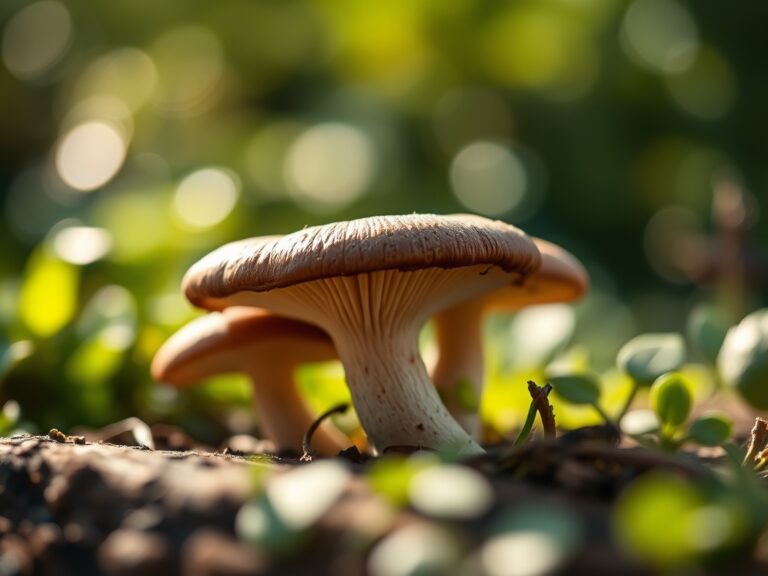
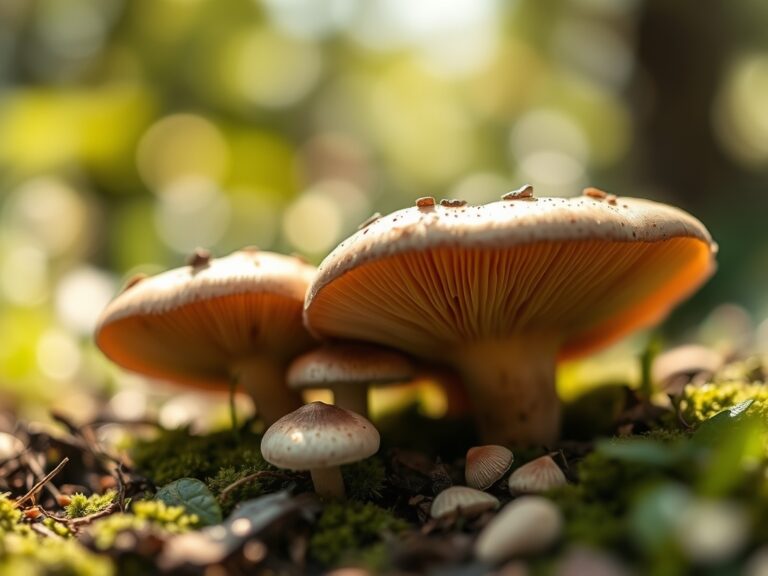
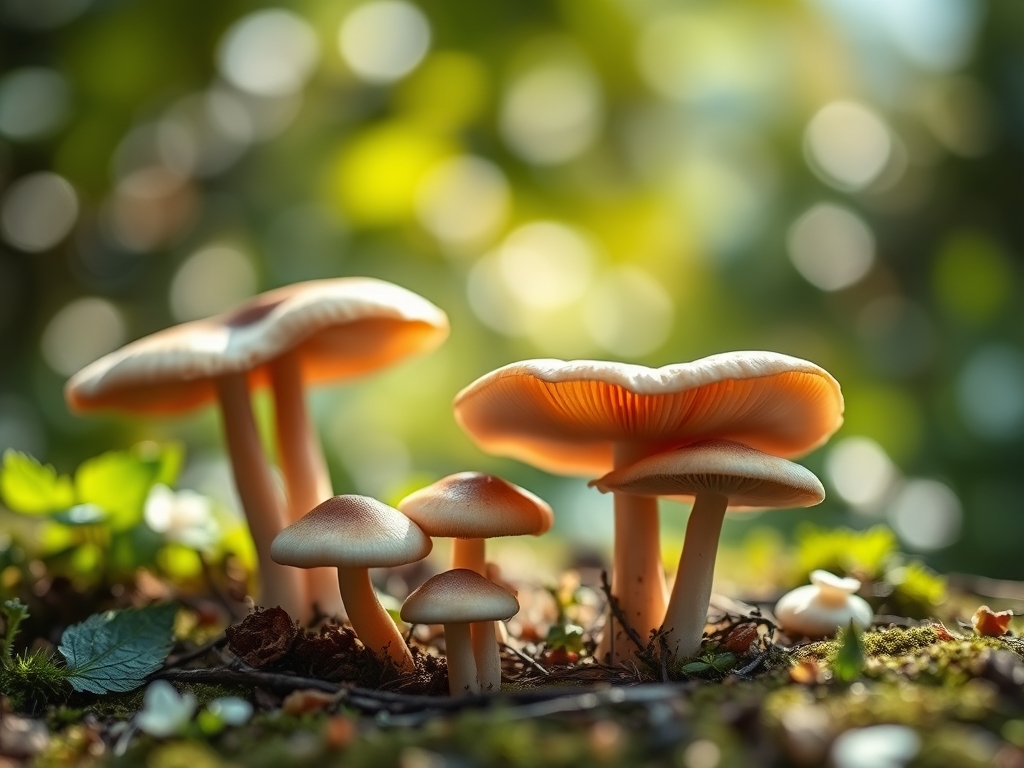
Growing gourmet mushrooms indoors transforms a corner of your kitchen into a productive cultivation space that yields oyster, shiitake, or lion's mane fruiting bodies within weeks. The best indoor mushroom kits eliminate the complexity of substrate preparation and sterilization, delivering colonized blocks that require only misting and indirect light. These systems rely on cellulose-rich substrates inoculated with mycelium, the vegetative network that absorbs nutrients through enzymatic breakdown of lignin and hemicellulose.
Materials
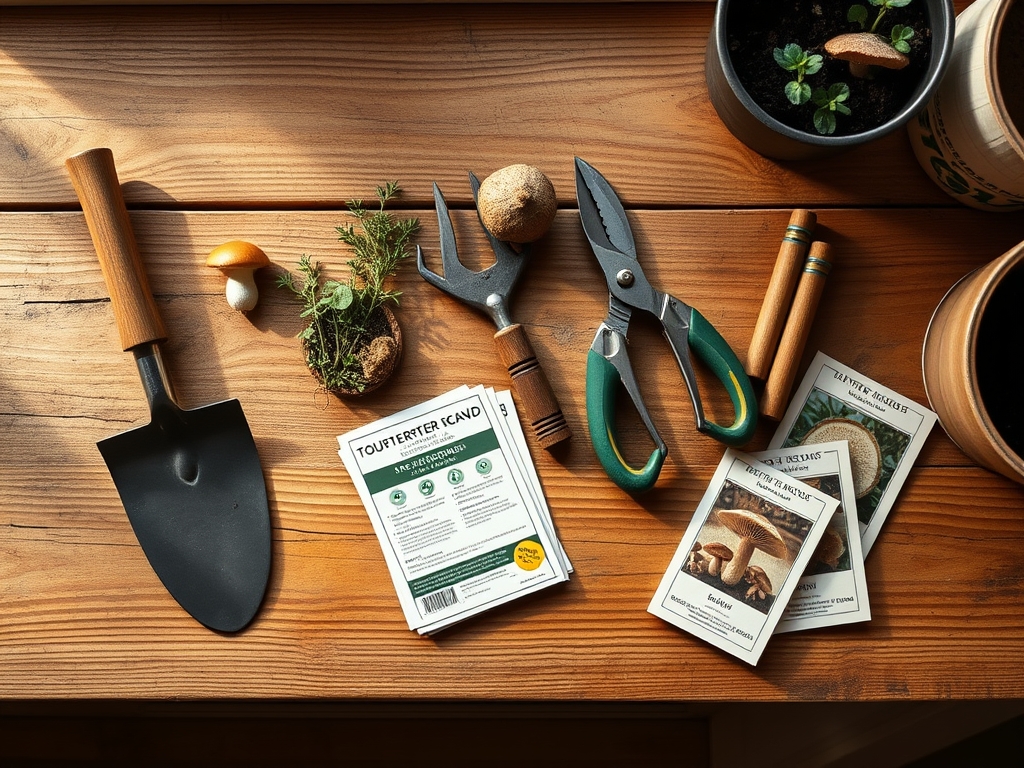
Substrate composition determines success. Commercial kits use hardwood sawdust, straw, or supplemented blends with an optimal carbon-to-nitrogen ratio of 30:1. The pH range spans 6.0 to 7.0 for oyster species, 5.5 to 6.5 for shiitake. Unlike traditional NPK fertilizers (4-4-4 or 10-10-10), mushroom cultivation requires no added nitrogen, phosphorus, or potassium. Mycelium extracts carbon from cellulose and minimal nitrogen from bran or cottonseed meal additives already present in premium substrates.
You need a spray bottle delivering a fine mist, not droplets. Water quality matters. Chlorinated municipal water inhibits mycelial growth; let tap water sit uncovered for 24 hours to off-gas chlorine, or use filtered water at 55-65°F. Relative humidity must stay between 80-95% during fruiting. A hygrometer with ±3% accuracy monitors this critical parameter. Indirect light from a north-facing window or a 6500K LED bulb on a 12-hour cycle provides sufficient phototropic cues without generating excess heat.
Temperature control separates novice attempts from consistent harvests. Oyster mushrooms fruit at 55-75°F, shiitake prefers 55-65°F, and lion's mane thrives at 65-75°F. A variance of more than 10°F between day and night stunts pinning, the initial formation of fruiting bodies. Substrate blocks arrive fully colonized, their white mycelium visible through clear plastic. Inspect for green or black contamination before starting. Reject any kit showing Trichoderma (green mold) or Aspergillus (black spores).
Timing
Indoor mushroom cultivation bypasses USDA Hardiness Zones and frost dates. Year-round production is feasible if you maintain environmental parameters. Kits ship when mycelium reaches full colonization, typically 14-21 days after inoculation at the supplier facility. Upon arrival, initiate fruiting within 48 hours.延 in substrate activation leads to metabolic exhaustion and reduced yields.
The fruiting window lasts 7-14 days from pinning to harvest. Oyster mushrooms grow fastest, doubling in size every 24 hours once pins emerge. Shiitake requires 10-14 days. Lion's mane develops over 7-10 days. Each substrate block produces 2-4 flushes (successive fruiting cycles) spaced 10-14 days apart. Rehydrate the block between flushes by submerging it in cold water for 6-8 hours.
Phases
Initiation Phase: Remove the colonized block from its shipping bag. Cut an X-shaped slit 4 inches wide on one side, exposing mycelium to fresh air. This triggers hyphal aggregation, the precursor to pin formation. Place the block inside a humidity tent (a clear plastic storage tote with 1/4-inch holes drilled every 3 inches) or keep it in a naturally humid bathroom. Mist the exposed surface 3-4 times daily, applying 8-10 sprays per session. Water should bead on the mycelium, not pool.
Pro-Tip: Cold shocking accelerates pinning. Refrigerate the block at 38-42°F for 12 hours immediately after slitting. This temperature drop mimics autumn conditions, signaling the mycelium to fruit.
Fruiting Phase: Pins appear as tiny nodules within 3-7 days. Maintain humidity above 85% and ensure FAE (fresh air exchange) by fanning the block twice daily for 30 seconds. Stagnant air elevates CO2 levels above 1000 ppm, causing elongated stems and underdeveloped caps. Mushrooms grow toward light sources; rotate the block 180 degrees every two days for even development. Harvest when caps flatten but before spore release (visible as fine dust on surfaces below).
Pro-Tip: Twist and pull mushrooms at the base rather than cutting. This prevents stub rot, a bacterial infection that colonizes leftover stem tissue.
Regeneration Phase: After harvest, rest the block in a cool, dry location (50-60°F, 60% humidity) for 10 days. Submerge it in non-chlorinated water weighted with a plate for 6-8 hours. The substrate rehydrates, absorbing 10-15% of its dry weight. Drain, return to the humidity tent, and resume misting. Second and third flushes yield 60-80% of the first flush weight.
Pro-Tip: Add 1 tablespoon of gypsum (calcium sulfate) per gallon of soaking water. This buffers pH and provides calcium for cell wall construction in developing primordia.
Troubleshooting
Symptom: Yellow or brown patches on mycelium.
Solution: Bacterial blotch caused by excess moisture. Reduce misting to twice daily. Increase FAE to lower surface humidity.
Symptom: Mushrooms grow tall with small caps (legginess).
Solution: CO2 concentration exceeds 1200 ppm. Drill additional 1/4-inch holes in the humidity tent or relocate the block to a room with better ventilation.
Symptom: No pins form after 14 days.
Solution: Insufficient temperature differential or light exposure. Move the block to a cooler room (drop 10°F from colonization temperature) and ensure 12 hours of indirect light daily.
Symptom: Green mold spreads across substrate surface.
Solution: Trichoderma contamination. Isolate the block immediately. Spray affected areas with 3% hydrogen peroxide. If mold returns within 48 hours, discard the kit to prevent spore dispersal.
Symptom: Mushrooms abort (pins shrivel before maturing).
Solution: Humidity dropped below 75% during critical development. Increase misting frequency to every 4 hours. Place a shallow water tray near the block to boost ambient moisture.
Maintenance
Water requirements are precise. Each misting session deposits approximately 2 milliliters of water per square inch of exposed substrate. A standard 5-pound block needs 30-40 milliliters total per day, split across 3-4 applications. Over-misting creates anaerobic conditions that favor bacterial competitors. Under-misting causes premature hardening of the substrate surface, blocking pin emergence.
Light intensity remains low. Mushrooms require 500-1000 lux, roughly equivalent to reading light. A 10-watt LED bulb positioned 18 inches from the block suffices. Avoid direct sunlight; UV radiation degrades fungal cell membranes and reduces yield by 40%.
Temperature stability matters more than absolute values. A 5°F fluctuation during fruiting causes uneven maturation within a single flush. Use a space heater with a thermostat or relocate kits away from drafty windows and heating vents.
Spent substrate becomes garden amendment. After the final flush, crumble the block into compost bins or mix it 1:3 with potting soil. The residual mycelium continues decomposing organic matter while forming beneficial associations with plant roots. Spent mushroom substrate contains 1.5-2.5% nitrogen, 0.5-1% phosphorus, and 1-2% potassium on a dry weight basis.
FAQ
How long do best indoor mushroom kits produce?
Most kits yield 2-4 flushes over 6-10 weeks. Total production averages 1.5-2.5 pounds of fresh mushrooms per 5-pound substrate block.
Can I reuse the substrate for additional cycles?
No. After 4 flushes, the substrate depletes its available cellulose and becomes vulnerable to contamination. Composting is the appropriate end use.
Do I need special equipment?
Only a spray bottle, hygrometer, and clear plastic tote. Avoid ultrasonic humidifiers; they create droplets too large and encourage bacterial growth.
What if my apartment is too dry?
Maintain the kit in a bathroom with shower use, or construct a shotgun fruiting chamber (a tote with perlite layer soaked in water at the bottom).
Are mushroom spores harmful?
Spore release causes allergic reactions in sensitive individuals. Harvest before caps fully open to minimize spore load.