8 Simple Ways How to Grow Salt Tolerant Vegetables
Coastal gardeners and those farming near roads treated with winter salt know the bitter disappointment of yellowed leaves and stunted crops. Learning how to grow salt tolerant vegetables transforms marginal land into productive space. Salt accumulation raises soil sodium levels above 2,000 parts per million, disrupting water uptake through osmotic pressure imbalances. Selecting the right species and managing soil chemistry allows harvests even when electrical conductivity exceeds 4 deciSiemens per meter. This guide details how to grow salt tolerant vegetables through eight proven methods rooted in soil science and plant physiology.
Materials
Salt-affected soils require amendment to improve cation exchange capacity before planting. Incorporate 3 inches of aged compost (typical NPK 1-1-1) into the top 8 inches of soil. Add sulfur at 2 pounds per 100 square feet if pH exceeds 7.8; most salt tolerant vegetables prefer pH 6.2 to 7.0. Apply gypsum (calcium sulfate) at 5 pounds per 100 square feet to displace sodium ions without raising pH.
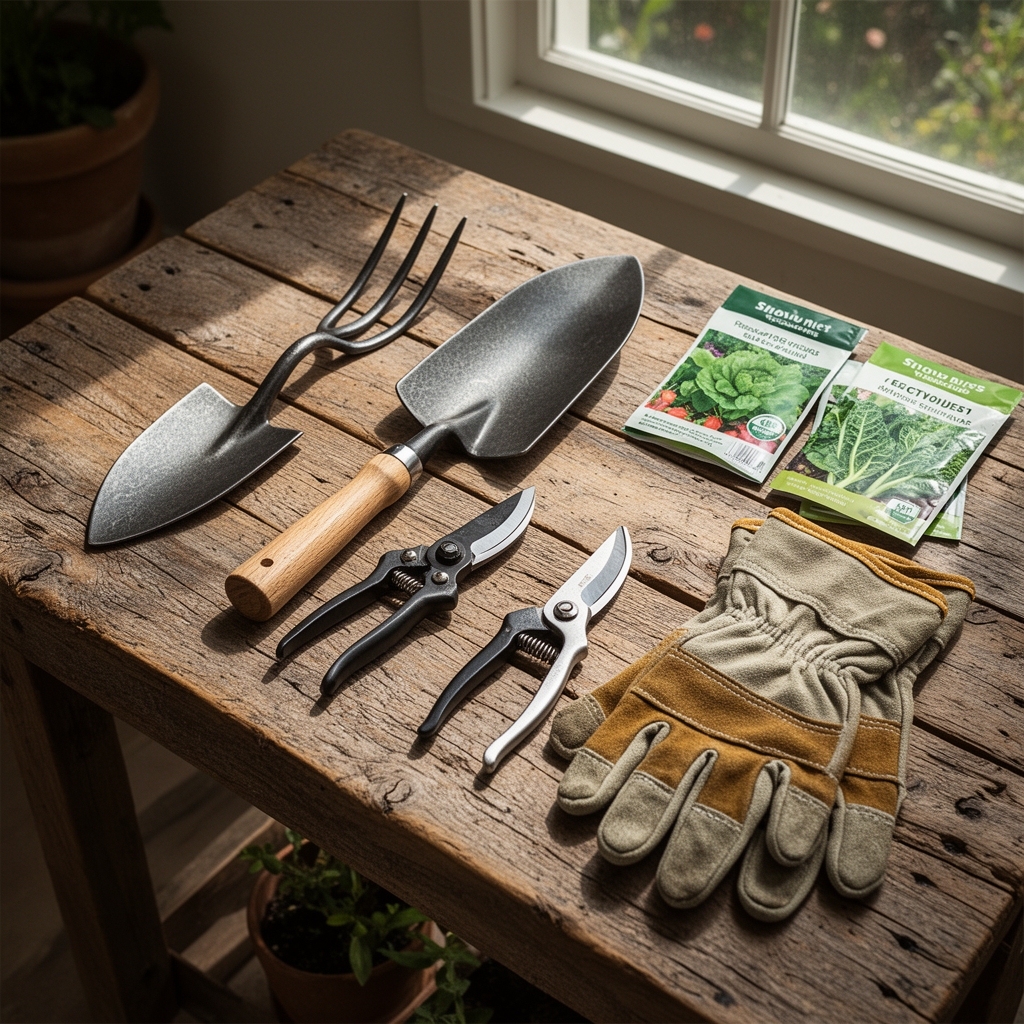
Use a balanced organic fertilizer rated 4-4-4 for baseline nutrition. Kelp meal provides trace minerals and natural growth hormones that support auxin distribution under stress conditions. Install drip irrigation lines before mulching; overhead watering concentrates salts on foliage. Mycorrhizal fungi inoculant at transplant time enhances phosphorus uptake in compromised soils.
Seed varieties proven for salt tolerance include 'Scarlet Nantes' carrot, 'Detroit Dark Red' beet, 'Bloomsdale' spinach, and 'Provider' green bean. Asparagus, kale, and Swiss chard show exceptional tolerance above 6 deciSiemens per meter. Purchase certified seed to avoid introducing pathogens that exploit salt-stressed plants.
Timing
Salt tolerant vegetables follow standard hardiness zone guidelines but benefit from adjusted planting windows. In zones 7 to 9, plant cool-season crops like beets and spinach 3 weeks before the last spring frost. Soil temperatures above 45°F allow germination despite elevated salinity.
Warm-season crops including tomatoes and beans require soil temperatures of 60°F minimum. Plant these 1 week after the last frost date. In coastal zone 8 gardens, a second planting of salt-tolerant greens succeeds in late August for fall harvest.
Avoid mid-summer planting when evapotranspiration rates exceed 0.25 inches daily. High evaporation draws salts upward through capillary action, concentrating them in the root zone. Fall planting in zones 9 to 10 takes advantage of winter rains that naturally leach accumulated salts below the root zone.
Phases
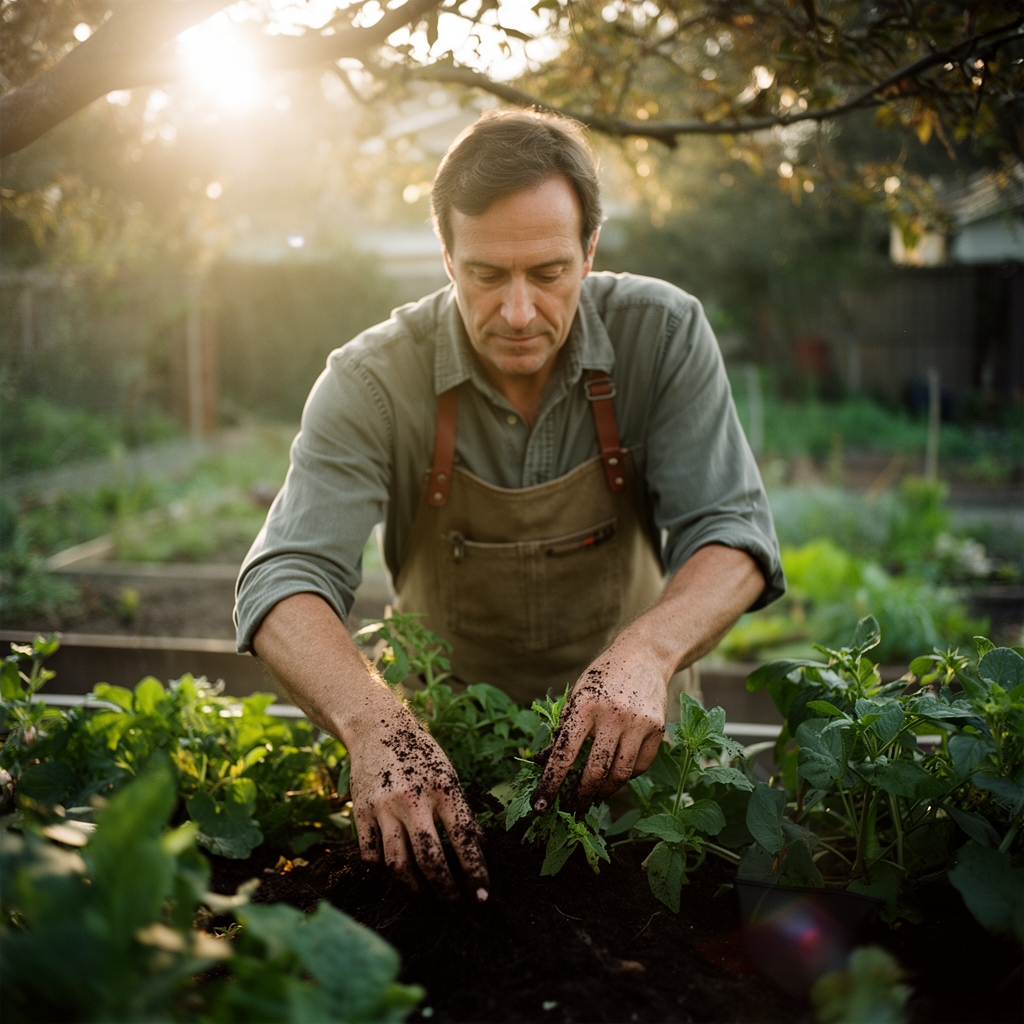
Sowing: Direct seed beets, carrots, and beans 0.5 inches deep in rows spaced 18 inches apart. Salt stress reduces germination rates by 15 to 30 percent, so increase seeding density by one-third. Water immediately after planting to move salts downward, then maintain consistent moisture at 1 inch per week. Germination occurs in 7 to 14 days depending on soil temperature.
Pro-Tip: Pre-soak beet and chard seeds in room-temperature water for 6 hours before planting to soften seed coats and accelerate germination in high-salt conditions.
Transplanting: Start tomatoes, peppers, and kale indoors 6 to 8 weeks before transplant date. Harden off seedlings over 10 days by gradually increasing salt exposure through diluted seawater irrigation (500 ppm). Transplant on overcast days to reduce water stress. Dig holes 6 inches deep and amend each with 0.25 cup of mycorrhizal inoculant mixed into backfill soil.
Water transplants with 2 cups of diluted fish emulsion (NPK 5-1-1) at half-strength. Space plants 24 inches apart to allow deep root development away from surface salt accumulation.
Pro-Tip: Apply 2 inches of wood chip mulch around transplants but keep mulch 3 inches away from stems to prevent crown rot exacerbated by salt retention.
Establishing: Monitor plants weekly for 4 weeks after transplanting. Adequate establishment shows new leaf growth and root development 8 inches deep. Deep watering twice weekly at 1.5 inches per session leaches salts more effectively than frequent shallow irrigation. Drip systems deliver water at 0.5 gallons per hour per emitter.
Apply liquid kelp foliar spray at 2 tablespoons per gallon every 14 days. Foliar feeding bypasses root zone salt interference and supplies growth-promoting cytokinins.
Pro-Tip: Prune lower leaves on tomatoes and peppers at a 45-degree angle to increase air circulation and reduce fungal disease pressure common in salt-stressed plants.
Troubleshooting
Symptom: Leaf margins turn brown and crispy, starting with older leaves.
Solution: Classic salt burn from sodium accumulation. Flush soil with 3 inches of water weekly for 2 weeks. Reduce fertilizer application by half.
Symptom: Stunted growth with dark blue-green foliage and purple leaf undersides.
Solution: Phosphorus deficiency due to reduced mycorrhizal activity. Apply rock phosphate at 3 pounds per 100 square feet or liquid bone meal (NPK 3-15-0) at label rates.
Symptom: Interveinal chlorosis on new growth while veins remain green.
Solution: Iron deficiency caused by high soil pH from sodium. Apply chelated iron foliar spray at 1 tablespoon per gallon weekly for 3 weeks.
Symptom: Blossom end rot on tomatoes and peppers.
Solution: Calcium uptake blocked by sodium competition. Side-dress with gypsum at 1 cup per plant and maintain consistent soil moisture.
Symptom: Wilting during midday despite adequate soil moisture.
Solution: Osmotic stress prevents water uptake. Increase irrigation frequency to maintain soil moisture above 40 percent field capacity.
Maintenance
Apply 1 inch of water per week through drip irrigation, increasing to 1.5 inches during fruit set. Water in early morning to reduce evaporation losses that concentrate salts. Deep watering every 3 days outperforms daily shallow watering for salt management.
Side-dress established plants every 4 weeks with compost at 0.5 inch depth. Avoid high-nitrogen synthetic fertilizers that increase osmotic pressure. Maintain mulch at 3-inch depth to moderate soil temperature and reduce evaporation.
Test soil electrical conductivity monthly with a handheld meter. Readings above 4 deciSiemens per meter require immediate leaching with 2 inches of water. Remove weeds weekly as they compete for limited water under saline conditions.
Harvest beets and carrots when roots reach 2 inches diameter. Salt-stressed vegetables mature 10 to 14 days later than normal. Collect tomatoes at the breaker stage; full ripening occurs off the vine.
FAQ
What vegetables tolerate salt best?
Asparagus tolerates up to 10 deciSiemens per meter, followed by beets, kale, and Swiss chard at 6 to 8. Spinach, carrots, and tomatoes handle 4 to 6. Beans and peas show moderate tolerance at 2 to 4.
How does salt damage plants?
Sodium displaces calcium and magnesium on soil particles, disrupting cell wall integrity. High salt concentration outside roots creates negative osmotic potential, preventing water absorption even when soil appears moist.
Can I use manure in salty soil?
Fresh manure adds sodium and raises electrical conductivity. Use only compost aged 12 months minimum. Test compost EC before application; it should measure below 2 deciSiemens per meter.
How often should I leach salt?
Leach every 4 to 6 weeks during the growing season with 3 inches of water applied over 2 hours. Annual winter leaching with 6 inches reduces baseline salt levels before spring planting.
Do raised beds help with salt problems?
Raised beds filled with imported soil avoid ground salt but require careful water management. Salts still accumulate from irrigation water unless leaching protocols are followed. Use drip irrigation and apply 20 percent extra water to carry salts through the bed.