5 Accurate Steps to Test Soil for Blueberries
Damp earth under a blueberry canopy carries a sharp, metallic scent indicative of the acidic environment these ericaceous shrubs demand. When a blueberry bush reaches peak turgor pressure, its leaves feel leathery and firm; a lack of this rigidity often signals a failure in the rhizosphere. Success begins with the five steps to test soil for blueberries to ensure the substrate supports the plant's unique physiology. Most amateur growers fail because they treat blueberries like standard garden crops. Blueberries lack root hairs, making them inefficient at nutrient uptake in neutral or alkaline soils. They require a pH between 4.5 and 5.2 to facilitate the solubility of iron and manganese. If your soil registers above 5.5, the plant will suffer from iron chlorosis, leading to stunted growth and eventual senescence. Testing is not a suggestion; it is a biological requirement for survival. By measuring the Cation Exchange Capacity (CEC) and the specific acidity of your plot, you provide the chemical foundation necessary for the plant to transport water from the roots to the apical meristem.
Materials:

To execute the steps to test soil for blueberries, you must gather professional grade equipment. Avoid cheap litmus strips found in hardware stores; they lack the precision required for the **0.5 pH** variance that determines blueberry health. Use a digital pH probe calibrated with a buffer solution or a laboratory grade soil test kit.
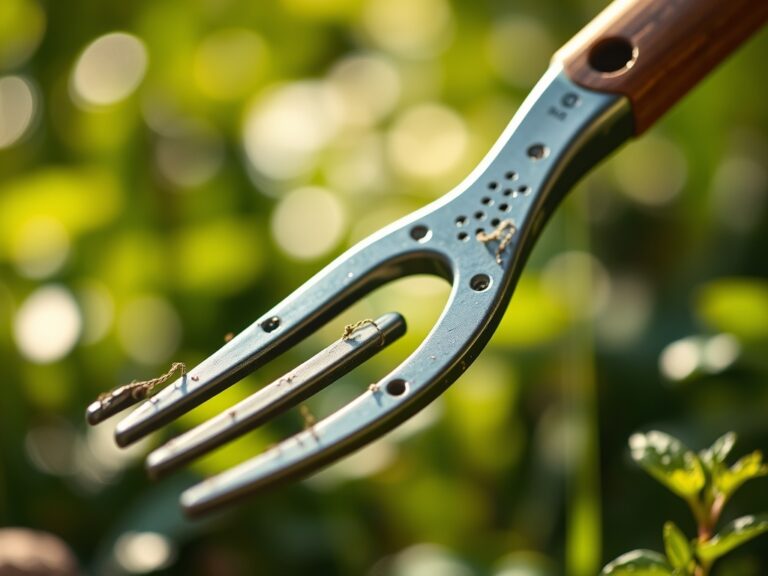
The ideal substrate is a friable loam with a high percentage of organic matter, typically exceeding 5 percent. You will need a stainless steel soil probe to collect cores at a depth of 6 to 8 inches. This depth represents the primary root zone where nutrient exchange occurs. For the NPK profile, blueberries favor a ratio near 10-10-10 for young plants, but established shrubs require higher nitrogen in the form of ammonium sulfate. Nitrate based nitrogen is toxic to blueberries and must be avoided. Ensure your testing kit can distinguish between these nitrogen forms. You also need a clean plastic bucket; metal containers can leach micronutrients into your sample and skew the results of your Cation Exchange Capacity (CEC) reading.
Timing:
Timing your soil test is critical to the biological clock of the Vaccinium genus. In Hardiness Zones 3 through 9, the best window for testing is six months prior to planting, usually in late autumn or early spring before the first thaw. This allows time for elemental sulfur or aluminum sulfate to chemically react with the soil and lower the pH.
The transition from the vegetative stage to the reproductive stage occurs as the photoperiod shifts in late spring. Testing during this "Biological Clock" window allows you to adjust nutrients before the plant invests energy into fruit production. If you test during the winter dormancy period, your nitrogen readings will be artificially low because microbial activity is suppressed by temperatures below 40 degrees Fahrenheit. Aim for a soil temperature of at least 50 degrees Fahrenheit to get an accurate representation of the bioavailable nutrients in the rhizosphere.
Phases:

Sowing and Site Preparation
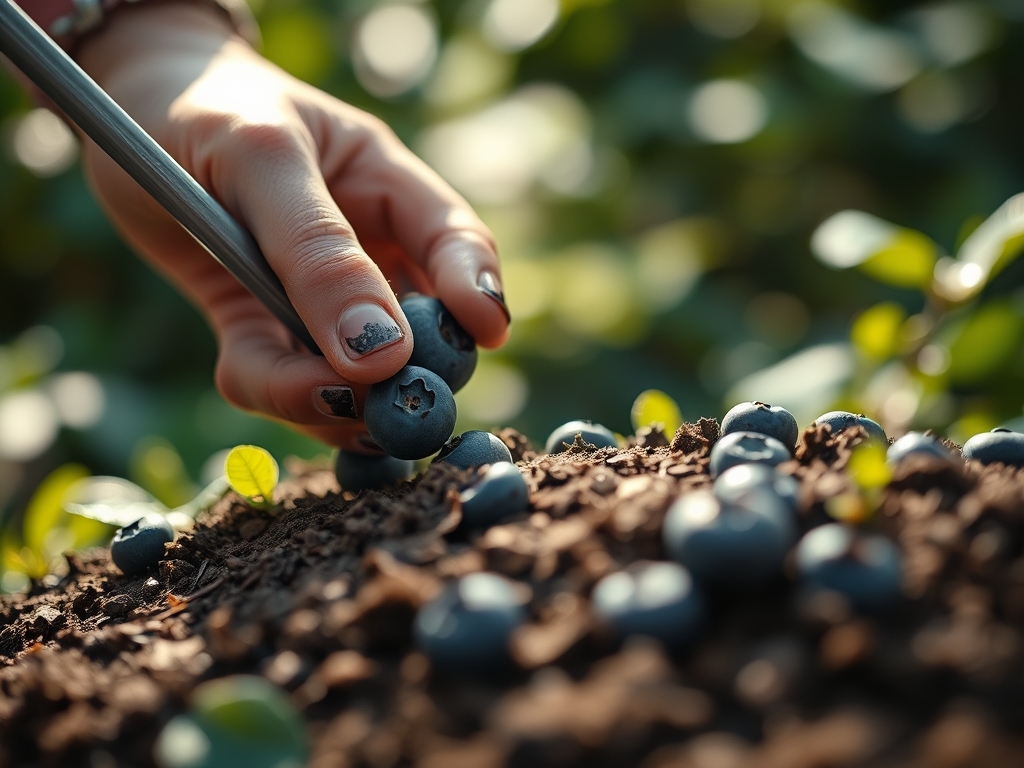
Before a single seed or plug touches the ground, you must establish the chemical baseline. Take 10 to 15 sub-samples from the planting area and mix them to create a composite sample. This accounts for soil heterogeneity. Blueberries require a high concentration of organic matter to maintain moisture.
Pro-Tip: Incorporating peat moss or aged pine bark increases the soil's buffering capacity. This is vital because of mycorrhizal symbiosis; blueberries rely on ericoid mycorrhizal fungi to assist in nutrient uptake, and these fungi only thrive in highly acidic, carbon rich environments.
Transplanting
When moving a containerized blueberry into the field, the interface between the potting media and the native soil is a point of physiological stress. Test the pH of the root ball and the surrounding soil to ensure they match within 0.3 units. A sharp contrast in pH can cause osmotic shock.
Pro-Tip: Dig a hole twice as wide as the root ball to reduce soil compaction. This encourages auxin suppression of lateral buds in favor of root expansion, allowing the plant to establish a wider footprint for nutrient scavenging.
Establishing
During the first two years, the focus is on structural integrity rather than fruit. Test the soil every six months during this phase to monitor the "creep" of pH levels. Native soil often attempts to revert to its original alkalinity through the movement of groundwater.
Pro-Tip: Maintain a thick layer of acidic mulch. This prevents phototropism of surface roots, keeping them shielded from UV light and preventing the desiccation of the shallow root system that characterizes the Vaccinium species.
The Clinic:
Physiological disorders in blueberries are almost always linked to soil chemistry.
Symptom: Interveinal chlorosis (yellow leaves with green veins) on new growth.
Solution: This indicates iron deficiency caused by a pH above 5.2.
Fix-It: Apply chelated iron to the foliage for immediate relief and add elemental sulfur to the soil for a long term pH reduction.
Symptom: Reddening of older leaves during the summer.
Solution: This is a sign of magnesium deficiency or phosphorus lockout.
Fix-It: If pH is correct, apply Epsom salts (magnesium sulfate) at a rate of 1 tablespoon per gallon of water.
Symptom: Marginal leaf burn or "scorching."
Solution: This suggests potassium deficiency or high salt salinity.
Fix-It: Flush the soil with 3 inches of water to leach excess salts and switch to a low salt index fertilizer like potassium sulfate.
Maintenance:
Precision maintenance is the difference between a surviving plant and a high yielding one. Use a soil moisture meter daily during the fruiting season. Blueberries require exactly 1.5 inches of water per week delivered at the drip line. Avoid overhead irrigation to prevent fungal pathogens from colonizing the leaf surface.
Pruning is essential for maintaining the vigor of the bush. Use bypass pruners to remove any wood older than six years; these "canes" become less productive and restrict airflow. A hori-hori knife is the best tool for removing invasive weeds near the base without damaging the shallow, delicate root system. Always sanitize your tools with 70 percent isopropyl alcohol between plants to prevent the spread of mummy berry or stem canker.
The Yield:
Harvesting occurs when the fruit transitions from red-purple to a deep, waxy blue. The "bloom," or the white powdery coating on the berry, is a natural wax that prevents moisture loss. Do not pick the berries as soon as they turn blue; wait 3 to 5 days for the sugars to fully develop and the acidity to drop.
To maintain "day-one" freshness, harvest in the early morning when the pulp temperature is at its lowest. Use a gentle rolling motion with your thumb to detach the fruit; if you have to pull hard, the berry is not ripe. Immediately move the fruit to a shaded, cool area. Do not wash the berries until you are ready to consume them, as moisture triggers the breakdown of the skin and encourages mold growth in storage.
FAQ:
How often should I test soil for blueberries?
Perform a professional soil test once every year in the early spring. Regular monitoring ensures the pH remains between 4.5 and 5.2, preventing nutrient lockout and ensuring the long term health of the rhizosphere and fruit production.
Can I use vinegar to lower soil pH?
Vinegar provides a temporary, superficial drop in pH but is ineffective for long term soil modification. It breaks down rapidly and does not affect the soil's buffering capacity. Use elemental sulfur or ammonium sulfate for sustained acidification.
What is the best NPK for blueberries?
Use a 10-10-10 or 12-4-8 fertilizer specifically formulated for acid loving plants. Ensure the nitrogen source is ammonium sulfate or urea, as blueberries cannot metabolize nitrates efficiently, which can lead to salt toxicity in the root zone.
Why are my blueberry leaves turning yellow?
Yellow leaves with green veins usually signal iron chlorosis. This occurs when the soil pH rises above 5.5, making iron chemically unavailable to the plant. Immediate soil acidification is required to restore nutrient uptake and prevent further growth stunting.