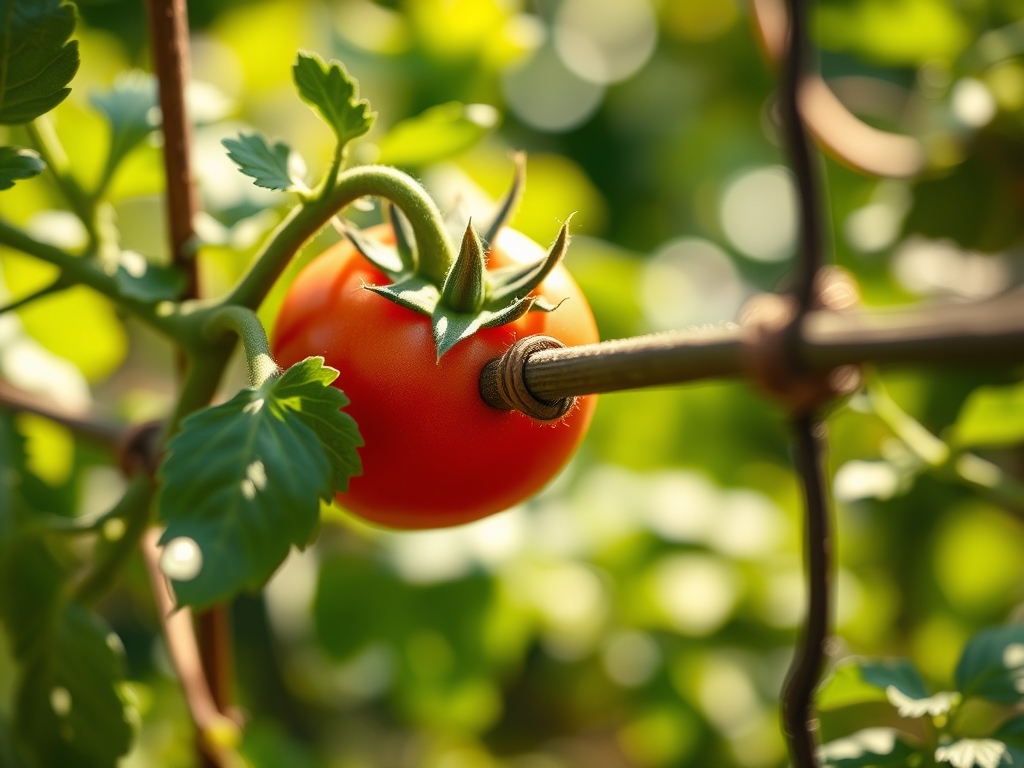
9 Sturdy Ways How to Prep a Tomato Trellis
Crushed tomato leaves release a sharp, resinous scent of hexenyl acetate while the damp earth beneath them provides the cool, heavy aroma of geosmin. A successful harvest depends on maintaining high turgor pressure within the vascular system of the plant. Without structural support, the heavy fruit load causes the main stem to collapse; this interrupts the flow of water and nutrients through the xylem. Learning how to prep a tomato trellis is the primary step in ensuring that your Solanum lycopersicum remains upright and productive throughout the long growing season.
Vertical gardening prevents the fruit from contacting the soil, which reduces the risk of fungal pathogens and soil-borne diseases. A well-designed trellis system facilitates airflow, reducing the humidity around the foliage and discouraging the growth of Septoria leaf spot. By securing the plant to a rigid frame, you optimize sunlight exposure for every leaf; this maximizes the rate of photosynthesis and ensures even ripening of the fruit. Proper preparation begins weeks before the first seedling enters the ground, focusing on structural integrity and soil chemistry to support rapid vegetative growth.
Materials:

The foundation of a high-yield tomato crop is the substrate. Tomatoes thrive in a friable loam with a high concentration of organic matter. This texture allows for deep root penetration and efficient gas exchange within the rhizosphere. The ideal soil pH for nutrient availability is between 6.2 and 6.8. When the pH falls outside this range, essential micronutrients like molybdenum and phosphorus become chemically locked, leading to stunted growth.
Before installing your trellis, amend the soil based on specific NPK ratios. For the initial vegetative phase, use a balanced fertilizer such as 10-10-10 to establish a strong root system and thick stems. As the plant transitions to the reproductive stage, shift to a low-nitrogen, high-potassium formula like 5-10-10. Excessive nitrogen at the flowering stage leads to lush foliage but poor fruit set. Ensure your soil has a high Cation Exchange Capacity (CEC) by incorporating well-rotted compost; this increases the soil's ability to hold onto positively charged ions like calcium and magnesium, which are vital for preventing physiological disorders.
Timing:
Success depends on aligning your trellis installation with the local Hardiness Zone and the biological clock of the plant. In Zones 7 through 9, the window for setting up supports begins in late March or early April. In cooler Zones 4 through 6, this process is delayed until mid-May or early June, specifically after the final frost date has passed and soil temperatures consistently reach 60 degrees Fahrenheit.
The "Biological Clock" of a tomato plant moves from the vegetative stage to the reproductive stage approximately 45 to 60 days after germination. You must have the trellis in place before the plant reaches 12 inches in height. Installing a support system after the plant has established a large root mass risks damaging the lateral roots and causing transplant shock. Early installation allows you to train the primary lead as soon as it begins to produce its first set of true leaves, ensuring the main stem remains straight and the apical meristem is directed toward the light source.
Phases:

Sowing and Site Preparation
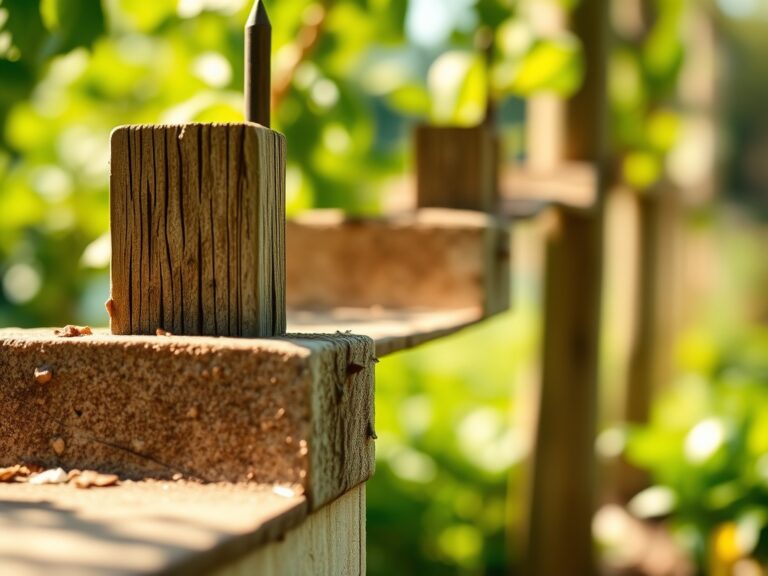
Before the seeds are even in the ground, you must determine the trellis style. For indeterminate varieties, a 7-foot tall cattle panel or heavy-duty twine system is required. Secure the posts at least 18 inches deep into the soil to resist wind shear and the weight of mature vines, which can exceed 20 pounds per plant.
Pro-Tip: Proper spacing between trellis supports ensures maximum photoperiod exposure. This prevents self-shading, which can lead to the lower leaves undergoing senescence prematurely due to a lack of light-driven energy production.
Transplanting and Initial Anchoring
When the seedlings reach 6 to 8 inches, transplant them at the base of the trellis. Bury the stem up to the first set of true leaves. Tomatoes have the ability to grow adventitious roots along the buried stem, which significantly increases the surface area for nutrient uptake.
Pro-Tip: Anchoring the stem early utilizes thigmotropism, where the plant responds to physical touch. By providing a stable surface, the plant focuses energy on thickening the cell walls of the stem rather than searching for stability, resulting in a sturdier main stalk.
Establishing and Training
As the plant grows, use soft garden twine to tie the main stem to the trellis every 10 to 12 inches. Avoid tight knots that can girdle the stem and restrict the flow of sap through the phloem. Remove the "suckers" or axillary buds that grow in the crotch between the main stem and the leaf petioles.
Pro-Tip: Pruning suckers is a form of auxin suppression. By removing these secondary growth points, you direct the plant's hormonal energy toward the apical meristem and the developing fruit clusters, resulting in larger, more uniform tomatoes.
The Clinic:
Symptom: Blossom End Rot. The bottom of the fruit develops a leathery, black sunken spot.
Solution: This is caused by a calcium deficiency, often triggered by inconsistent soil moisture. Maintain a steady watering schedule to ensure calcium ions can move from the soil into the plant tissues.
Symptom: Nitrogen Chlorosis. Older leaves turn a pale yellow while the veins remain slightly green.
Solution: Apply a water-soluble high-nitrogen fertilizer (such as blood meal) to the base of the plant. This provides an immediate boost to chlorophyll production.
Symptom: Leaf Roll. The edges of the leaves curl upward and become leathery.
Solution: This is often a physiological response to excessive heat or drought stress. Increase mulch depth to 3 inches around the base to regulate soil temperature and moisture levels.
Fix-It: If you notice purple tinting on the underside of leaves, the plant is likely suffering from phosphorus deficiency due to cold soil. Use a soil moisture meter to check conditions and apply a liquid seaweed extract to provide readily available phosphorus.
Maintenance:
Consistency is the hallmark of professional horticulture. Tomatoes require 1.5 inches of water per week delivered directly at the drip line. Avoid overhead irrigation, as wet foliage is a primary vector for bacterial speck. Use a soil moisture meter daily to ensure the root zone stays between 60% and 80% field capacity.
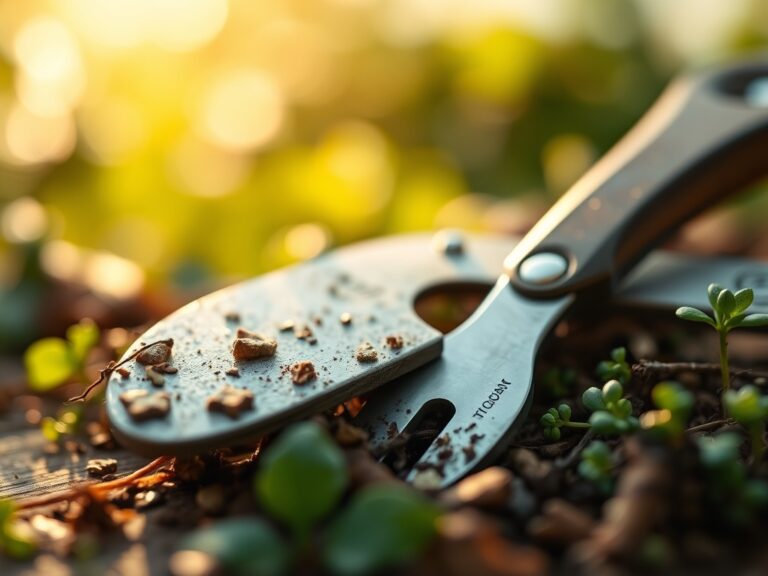
Pruning should be performed weekly using sharp bypass pruners sanitized with a 10% bleach solution to prevent the spread of pathogens. Use a hori-hori knife to remove deep-rooted weeds that compete for nutrients within the top 6 inches of the soil profile. Check the tension on your trellis wires or twine regularly; as the fruit matures, the increased mass can cause the lines to sag, potentially snapping the delicate stems.
The Yield:
Harvesting occurs when the fruit reaches the "breaker stage," where the color begins to shift from green to pink or red at the blossom end. At this point, the tomato has reached physiological maturity and will continue to ripen off the vine without losing flavor or nutritional value. Use bypass pruners to snip the pedicel just above the calyx to avoid bruising the fruit.
To maintain "day-one" freshness, store harvested tomatoes at room temperature, approximately 65 to 70 degrees Fahrenheit. Never refrigerate fresh tomatoes, as temperatures below 50 degrees Fahrenheit damage the cell membranes and destroy the volatile compounds responsible for flavor. For long-term storage, keep the fruit out of direct sunlight to prevent the skin from shriveling.
FAQ:
What is the best material for a tomato trellis?
Heavy-duty 16-foot cattle panels or 14-gauge galvanized wire are superior. These materials provide the structural rigidity necessary to support indeterminate varieties that can grow over 8 feet tall and weigh over 20 pounds at peak maturity.
How deep should I bury trellis posts?
Drive T-posts or wooden stakes at least 18 to 24 inches into the ground. This depth ensures the structure can withstand high winds and the significant vertical load of a fully fruited tomato plant without leaning or collapsing.
Can I reuse my trellis every year?
Yes, but you must sanitize the equipment. Scrub all surfaces with a 10% bleach solution to kill overwintering fungal spores and bacteria. This prevents the transmission of diseases like Fusarium wilt to the next season's crop.
When should I start tying tomatoes to the trellis?
Begin training the plants when they reach 10 to 12 inches in height. Use soft twine to secure the main stem every 10 inches. Early intervention ensures the plant grows vertically and maintains optimal airflow within the canopy.