8 Simple Ways How to Use Microclimate Tips
The August sun bakes your south-facing brick wall to 110°F while the shaded north corner barely reaches 72°F. That 38-degree variance exists in a space of thirty feet. Learning how to use microclimate tips transforms these invisible thermal gradients, wind corridors, and moisture pockets into strategic growing zones that extend your harvest window by six to eight weeks. Mastering microclimates means reading the land like topographic contours, mapping cold-air drainage, and positioning plants where photosynthetic rates peak.
Materials
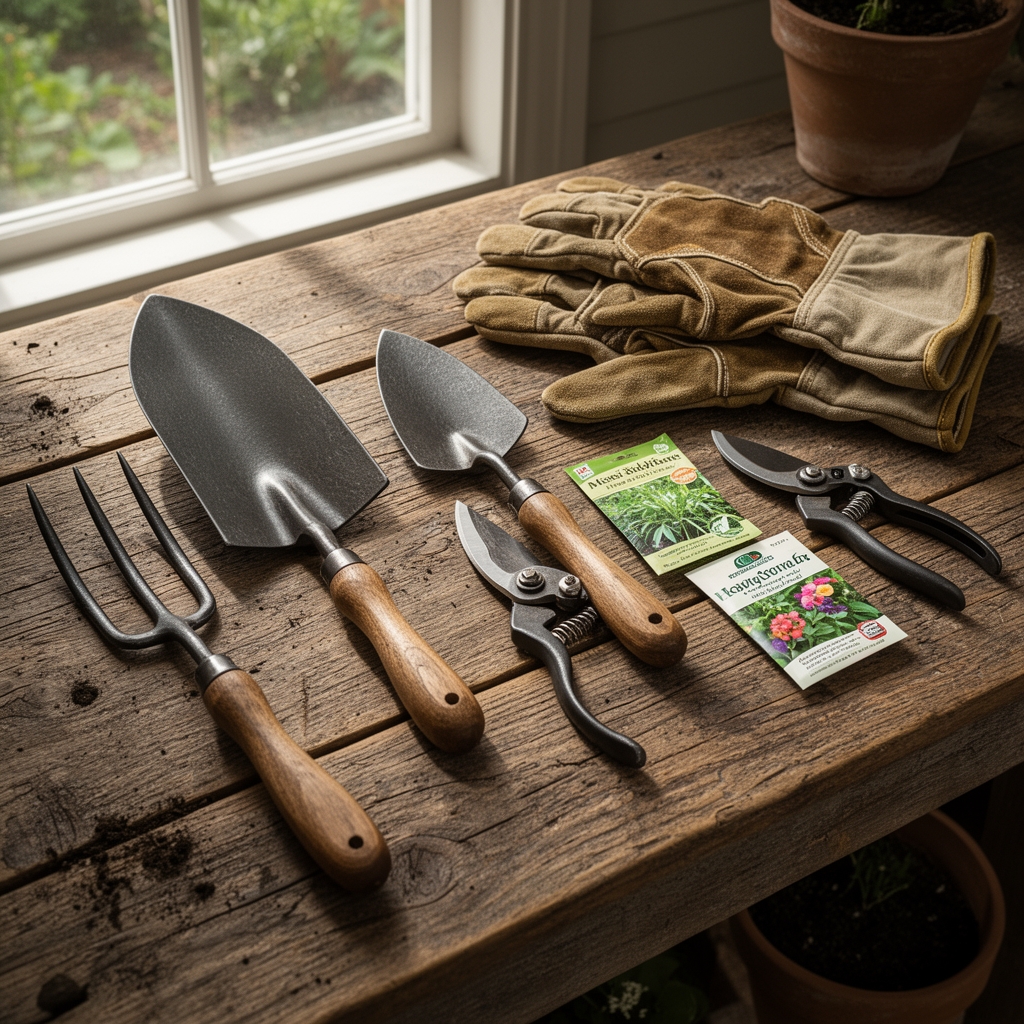
Successful microclimate manipulation requires deliberate soil amendment and structural additions. Start with a 3-4-3 organic all-purpose fertilizer (bone meal, kelp, rock phosphate) for baseline fertility. Layer in compost with a cation exchange capacity above 60 meq/100g to buffer temperature swings in the root zone.
For heat-trapping installations, gather four to six concrete pavers, galvanized stock tanks (100-gallon minimum), and horticultural fleece rated to 28°F. Reflective surfaces demand aluminum flashing or white-painted boards angled at 45 degrees. Wind barriers call for 50% shade cloth on cedar posts sunk 24 inches deep.
Monitor pH with a calibrated meter. Most microclimate strategies work best in soils between 6.2 and 6.8, where nutrient availability peaks and mycorrhizal fungi colonize root hairs efficiently. Acidic sites below 5.8 benefit from dolomitic lime applied at 5 pounds per 100 square feet, worked in three months before planting.
Timing
Hardiness zones provide the scaffolding, but microclimates shift effective zones by one full number. A Zone 6 garden with a south-facing stone wall and evergreen windbreak on the north behaves like Zone 7a. Track your last spring frost date, then subtract fourteen days for warm microclimates and add fourteen for cold pockets.
In Zones 5-6, warm microclimates allow tomato transplants by April 25 instead of May 15. Cold-air drainages at the base of slopes hold frost until May 30, even when surrounding areas thaw by May 10. Use min-max thermometers placed at soil level for seven consecutive nights to map these variations.
Autumn microclimates extend growth similarly. A east-facing wall radiates stored heat for three hours after sunset, delaying the first killing frost by up to twenty days. Position fall brassicas and lettuce in these thermal halos.
Phases
Sowing: Direct-seed cool-season crops in elevated beds within cold microclimates. The depression allows dense, cold air to pool around emerging seedlings, slowing bolt-inducing auxin distribution. Lettuce, spinach, and cilantro germinate best at soil temperatures between 50°F and 65°F.
Pro-Tip: Inoculate legume seeds with Rhizobium bacteria before sowing in microclimates with compacted subsoil. The symbiotic nitrogen fixation compensates for reduced nutrient diffusion in cooler zones.
Transplanting: Move warm-season seedlings (peppers, eggplant, basil) into heat-trapping microclimates when soil reaches 60°F at a 4-inch depth. Surround transplants with dark mulch or black plastic for the first three weeks to accelerate root establishment. Avoid transplanting into wind-exposed microclimates until stems reach pencil thickness and develop secondary lignification.
Pro-Tip: Prune transplant roots at a 30-degree angle one week before moving into microclimate zones. Angular cuts stimulate lateral root branching, increasing the surface area for water uptake in localized moisture gradients.

Establishing: Install trellises or stakes on the warmer side of the microclimate to avoid casting shade on heat-loving species. Train vining crops vertically to maximize air circulation and reduce foliar disease pressure in humid microclimates. Mulch depth should reach 3 inches in hot microclimates to prevent moisture loss, but only 1 inch in cold pockets to avoid insulating frozen soil in early spring.
Pro-Tip: Apply foliar kelp spray (diluted 1:500) every fourteen days during establishment. The cytokinin content accelerates cell division in the apical meristem, shortening the acclimation period by 20%.
Troubleshooting
Symptom: Blossom-end rot appears on tomatoes despite adequate calcium in soil tests.
Solution: The microclimate lacks consistent moisture. Calcium uptake depends on steady transpiration. Install drip irrigation on a timer: 0.5 gallons per plant daily in warm microclimates, 0.25 gallons in cool zones.
Symptom: Basil leaves blacken overnight in a sheltered warm microclimate.
Solution: Excess humidity and still air promote Pseudomonas bacterial leaf spot. Position a 6-inch circulation fan 8 feet from plants, running for two hours after dusk to evaporate leaf moisture.
Symptom: Squash vine borers concentrate in one microclimate zone.
Solution: Adult moths (Melittia cucurbitae) prefer south-facing, wind-protected areas with temperatures above 85°F. Wrap stem bases with aluminum foil from soil line to first leaf node before egg-laying begins in mid-June.
Symptom: Lettuce bolts in a shaded microclimate while other zones remain productive.
Solution: Reflected light from nearby white surfaces increases photoperiod perception. Remove reflective mulches or paint adjacent walls a neutral gray.
Maintenance
Water warm microclimates with 1.5 inches per week, delivered in two deep sessions rather than daily sprinkles. Cold microclimates need 0.75 inches weekly to prevent root rot in slower-drying soils. Measure with rain gauges placed at plant height.
Fertilize heat-trapping zones every three weeks with a 5-5-5 liquid fish emulsion diluted to half strength. Cold microclimates require only monthly feeding at full strength to match reduced metabolic rates.
Prune plants in warm microclimates more aggressively. Remove 30% of vegetative growth every four weeks to redirect energy toward fruiting rather than excessive leafing. Cold-zone plants need minimal pruning to retain every photosynthetic surface.
FAQ
How deep do microclimates affect soil temperature?
Thermal influence reaches 18 to 24 inches below the surface. Subsoil temperatures lag air temperatures by two weeks in spring.
Can I create a microclimate with potted plants?
Yes. Cluster containers against heat-absorbing surfaces. Use pots with a minimum 5-gallon volume to buffer temperature swings.
Do microclimates change wind speeds measurably?
A solid fence reduces wind velocity by 60% for a distance of ten times the fence height on the leeward side.
Which vegetables benefit most from warm microclimates?
Peppers, eggplant, melons, and okra gain 25 to 40% yield increases when daytime temperatures stay above 78°F consistently.
How often should I remap my garden's microclimates?
Annually. Maturing trees, new structures, and soil compaction alter airflow and radiation patterns each season.