7 Best Seed Mixes for Meadows
Damp earth releases a sharp, metallic scent as the sun warms the topsoil; this is the smell of microbial activity and the breaking of seed dormancy. A successful meadow requires more than a random scattering of seed. It demands an understanding of turgor pressure and soil physics to ensure the best seed mixes for meadows actually take root. You are not just planting; you are engineering a self-sustaining ecosystem. Proper establishment begins with selecting the correct genetic material for your specific latitude and soil chemistry.
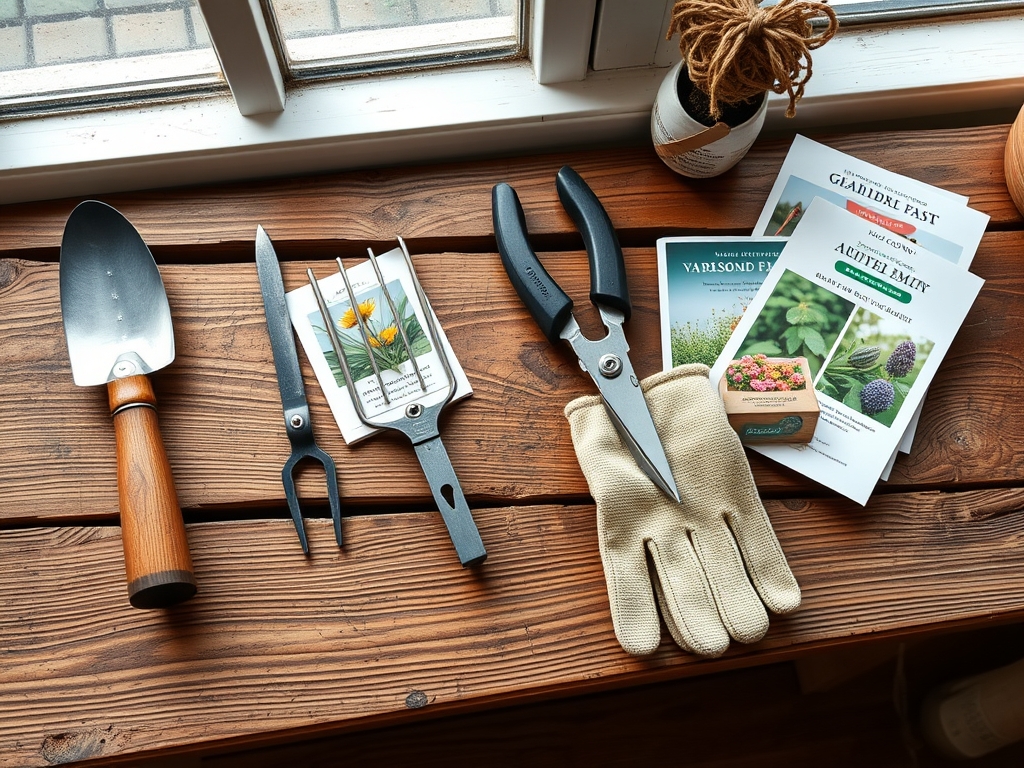
Materials:
The ideal substrate for a meadow is a **friable loam** with a **Cation Exchange Capacity (CEC) between 15 and 25**. This range ensures the soil can hold onto essential nutrients like ammonium and potassium without leaching. Most meadow species thrive in a **pH range of 6.0 to 7.0**. If your soil is acidic, apply calcitic lime to raise the pH; if alkaline, use elemental sulfur.
For the initial establishment of the best seed mixes for meadows, avoid high-nitrogen fertilizers. Excessive nitrogen promotes vegetative biomass in invasive grasses at the expense of floral diversity. Focus on a low-nitrogen, high-phosphorus starter ratio such as 5-10-5. Phosphorus is critical for early root development and ATP production within the germinating seedling. Ensure the soil has a bulk density of approximately 1.3 g/cm3; soil that is too compacted prevents oxygen from reaching the rhizosphere.
Timing:
Timing is dictated by the Hardiness Zone and the specific photoperiod requirements of the species. In Zones 3 through 6, dormant seeding in late autumn is often most effective. This allows seeds to undergo vernalization, a cold-stratification process necessary to break physiological dormancy. In Zones 7 through 10, early spring sowing is preferred, provided it occurs before the soil temperature exceeds 65 degrees Fahrenheit.
The biological clock of a meadow involves a transition from the vegetative stage (leaf and stem growth) to the reproductive stage (flowering and seed set). Most perennial meadow species require two full growing seasons to reach reproductive maturity. During the first year, the plant allocates carbon resources to the root system rather than the canopy. Do not mistake a lack of flowers for a failure of the seed mix.
Phases:

Sowing
Clear all existing vegetation using a mechanical sod cutter or solarization. Broadcast the seed at a rate of 5 to 10 pounds per acre for pure wildflower mixes, or up to 20 pounds per acre if including native bunchgrasses. Ensure seed-to-soil contact by using a cultipacker or a weighted roller.
Pro-Tip: Ensure the seed is buried no deeper than 1/8 inch. This is because many meadow seeds are photoblastic, meaning they require light exposure to trigger the hormonal shift that ends dormancy.
Transplanting
While most meadows are direct-seeded, "plugs" are used to introduce specific late-successional species. Dig a hole twice the width of the plug using a hori-hori knife. Place the plug so the crown is level with the soil surface to prevent crown rot.
Pro-Tip: Inoculate the root zone with mycorrhizal fungi during transplanting. This symbiotic relationship extends the root system's reach, allowing the plant to access phosphorus and water that are otherwise chemically bound in the soil matrix.
Establishing
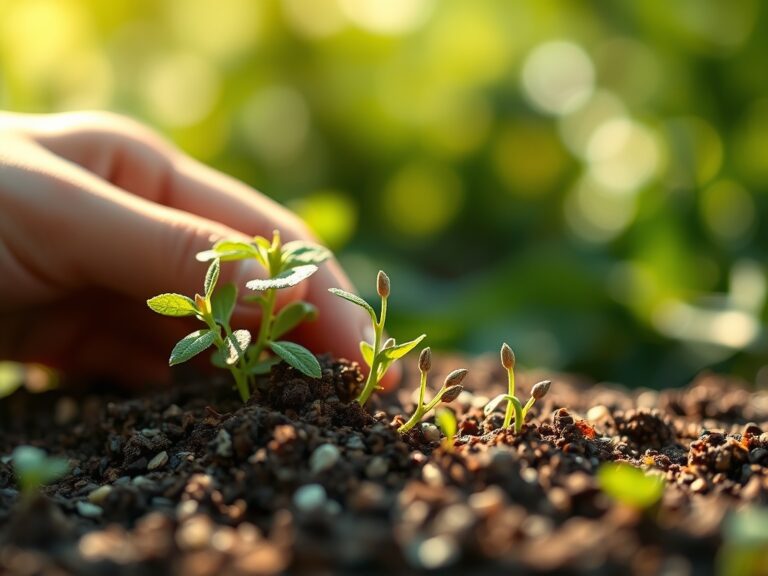
During the first six weeks, maintain consistent moisture in the top 0.5 inches of soil. Once the plants reach 3 inches in height, reduce watering frequency but increase the volume to encourage deep root penetration.
Pro-Tip: Perform a "high mow" at 6 to 8 inches during the first summer. This practice utilizes apical dominance principles; by removing the primary growing point, you suppress auxin production, which encourages lateral branching and a more robust root architecture.
The Clinic:
Physiological disorders in a meadow often stem from environmental stressors or nutrient imbalances.
- Symptom: Interveinal chlorosis (yellowing between leaf veins) on new growth.
- Solution: This indicates Iron deficiency, often caused by a pH above 7.5. Apply chelated iron or lower the pH with sulfur.
- Symptom: Purple or reddish tint on older leaves and stems.
- Solution: This is a sign of Phosphorus deficiency. It often occurs in cold, wet soils where root uptake is inhibited. Apply a water-soluble 0-20-0 fertilizer.
- Symptom: General stunting and pale green foliage across the entire plant.
- Solution: Nitrogen chlorosis. While meadows need low nitrogen, a complete lack will halt photosynthesis. Apply an organic compost tea to provide a slow-release nitrogen source.
- Symptom: Wilting despite moist soil.
- Solution: Damping-off caused by fungal pathogens like Pythium. Improve air circulation and reduce seeding density to lower humidity at the soil surface.
Maintenance:
Precision is required for long-term meadow health. Use a soil moisture meter to ensure the ground is not saturated, which leads to anaerobic conditions. Once established, most meadows require 1.0 to 1.5 inches of water per week, delivered in a single deep session rather than multiple shallow mistings.
Use bypass pruners to remove invasive woody species before they establish a taproot. In late winter, mow the entire meadow to a height of 3 inches. This removes the previous year's senescent (dead) material, allowing sunlight to reach the soil surface for the next generation of seedlings.
The Yield:
If your meadow includes species for cutting, such as Echinacea or Rudbeckia, harvest when the first layer of petals begins to unfurl. Use a sharp knife to make a clean cut at a 45-degree angle to maximize the surface area for water uptake.
To maintain "day-one" freshness, immediately plunge the stems into 110-degree Fahrenheit water and move them to a cool, dark location for two hours. This "pulsing" technique forces water into the vascular system, maintaining high turgor pressure and extending the post-harvest life of the bloom.
FAQ:
How do I choose the best seed mix for my soil?
Perform a soil test to determine pH and drainage capacity. Select a mix that matches your USDA Hardiness Zone and specific soil texture, such as sandy or heavy clay, to ensure long-term survival.
When is the best time to sow a meadow?
Late autumn is ideal for most regions. This allows seeds to undergo natural cold stratification through the winter, which is necessary for many native species to germinate successfully when soil temperatures rise in the spring.
Why is my meadow mostly weeds in the first year?
Many meadow perennials spend their first year developing extensive root systems underground. Fast-growing annual weeds often take advantage of the open space. Regular high-mowing at 6 inches will suppress these weeds while protecting the young perennials.
Do I need to fertilize my meadow every year?
No. Most native meadow plants are adapted to low-nutrient environments. Excessive fertilization, especially with high-nitrogen products, will encourage aggressive grasses and weeds to outcompete the diverse floral species you are trying to establish.